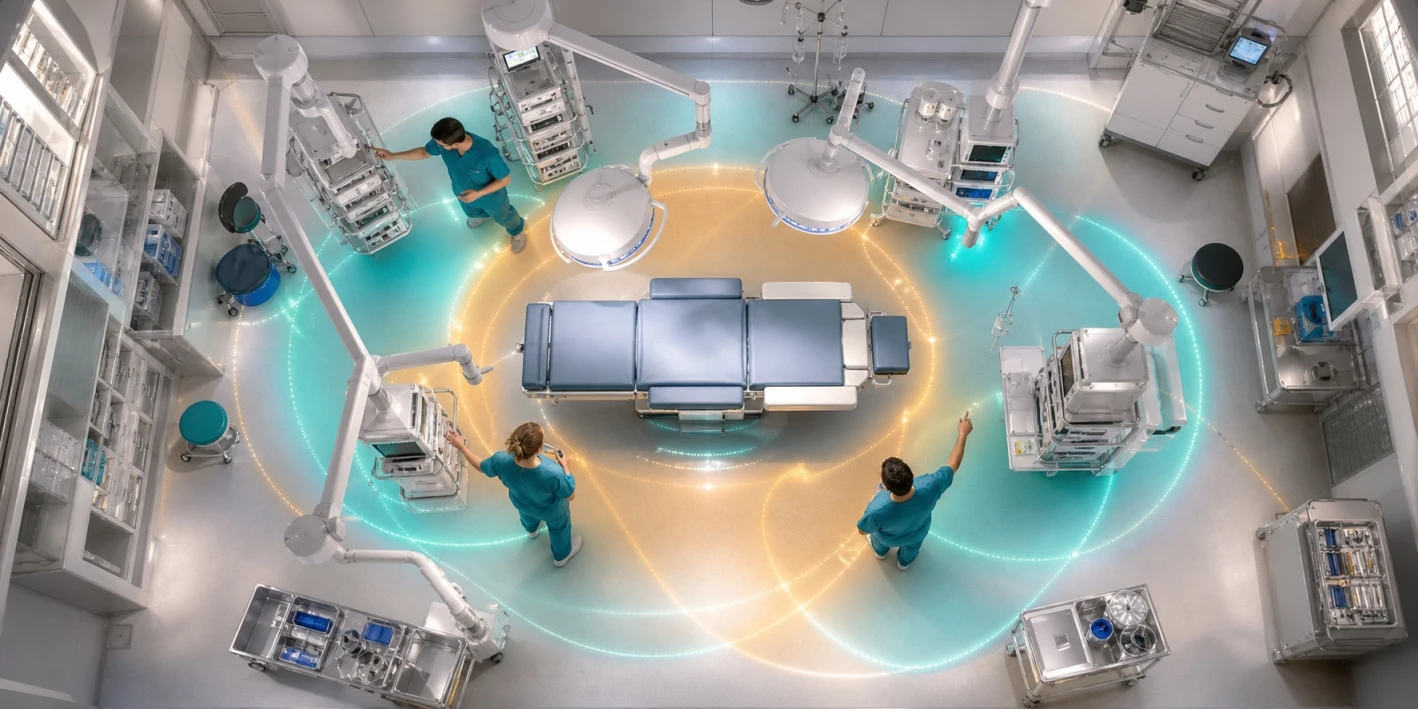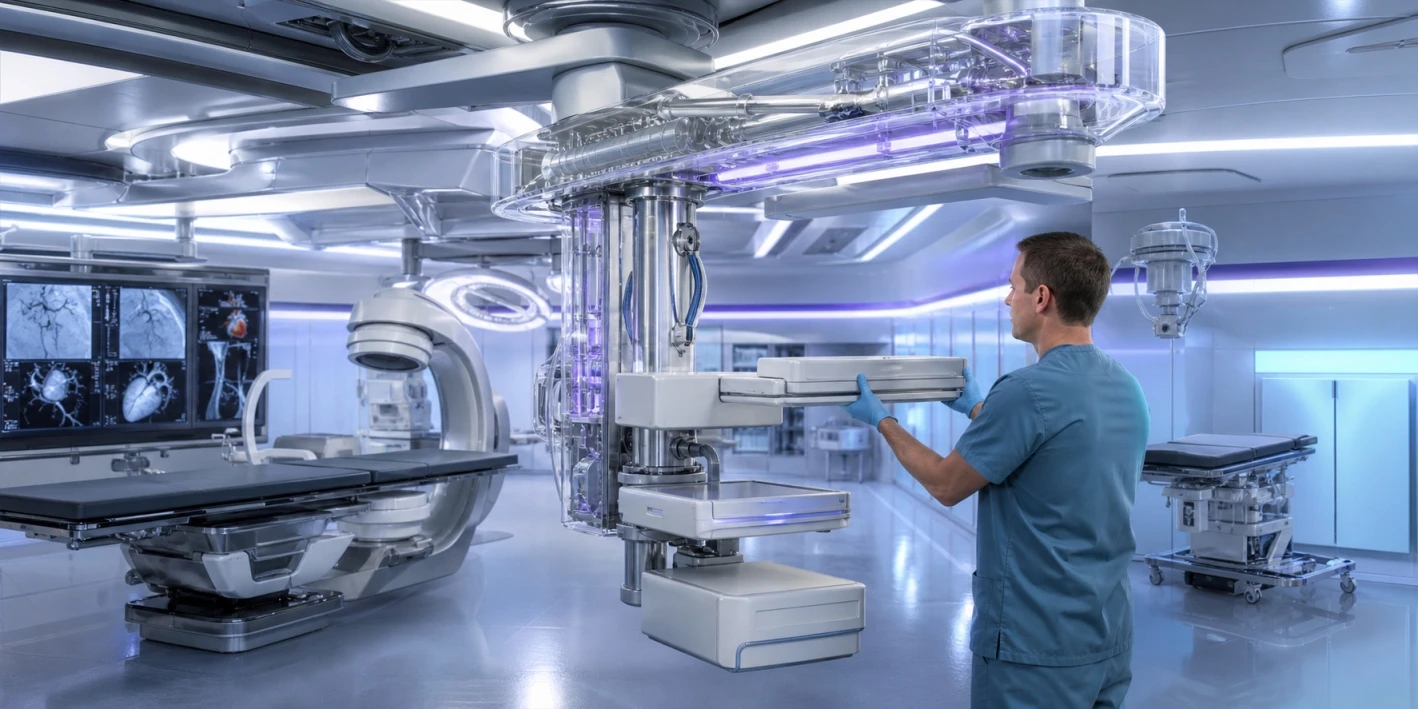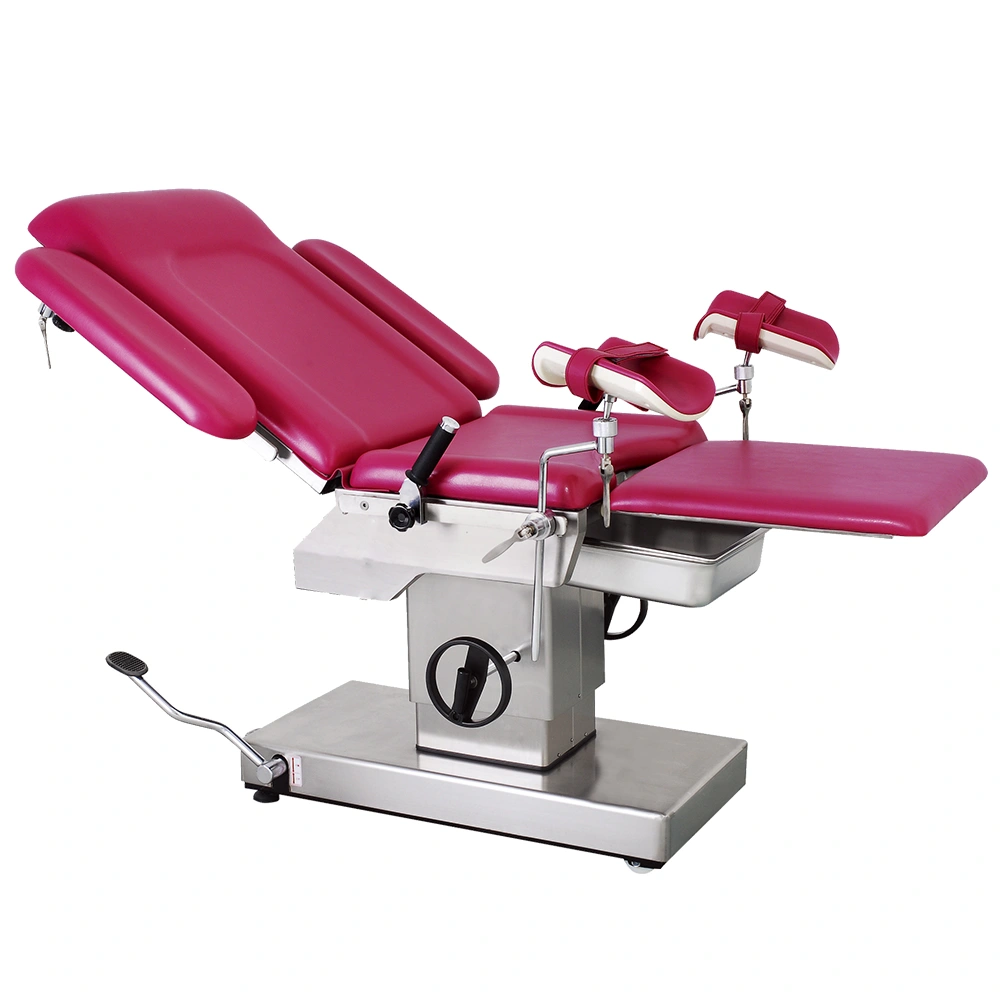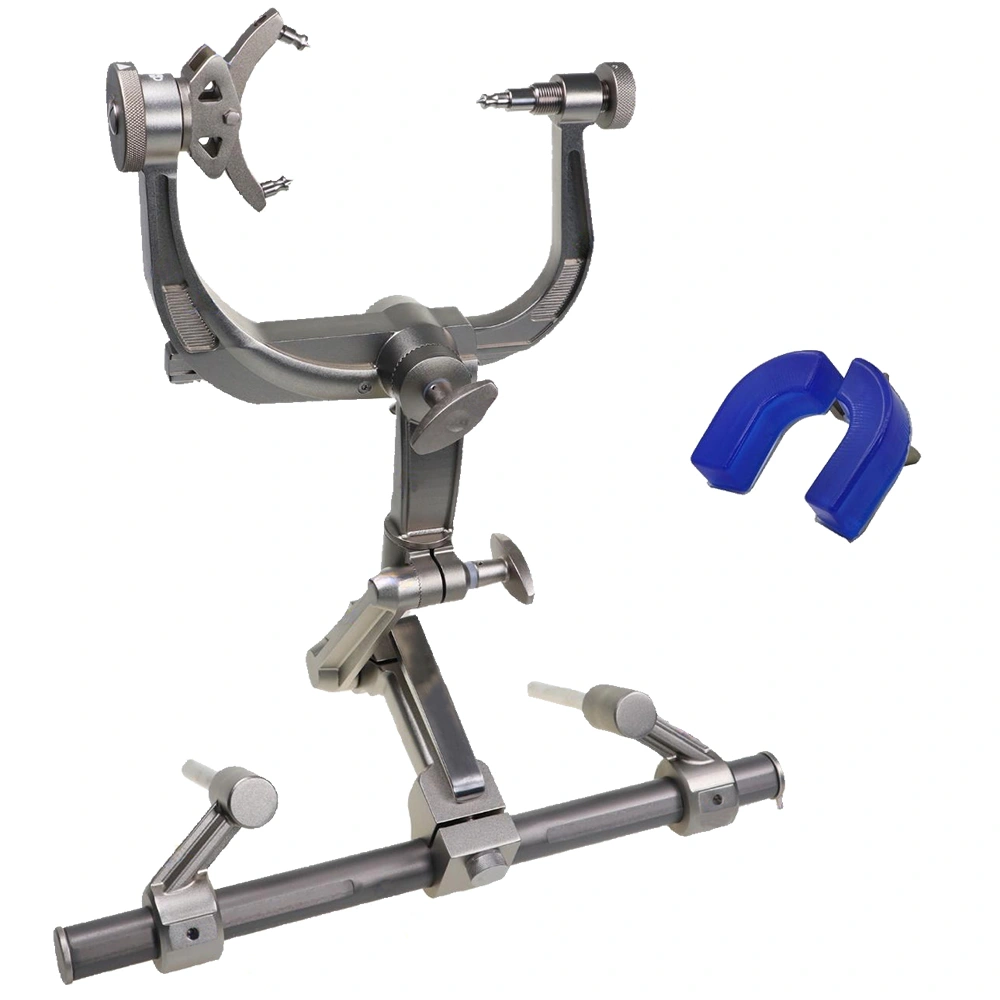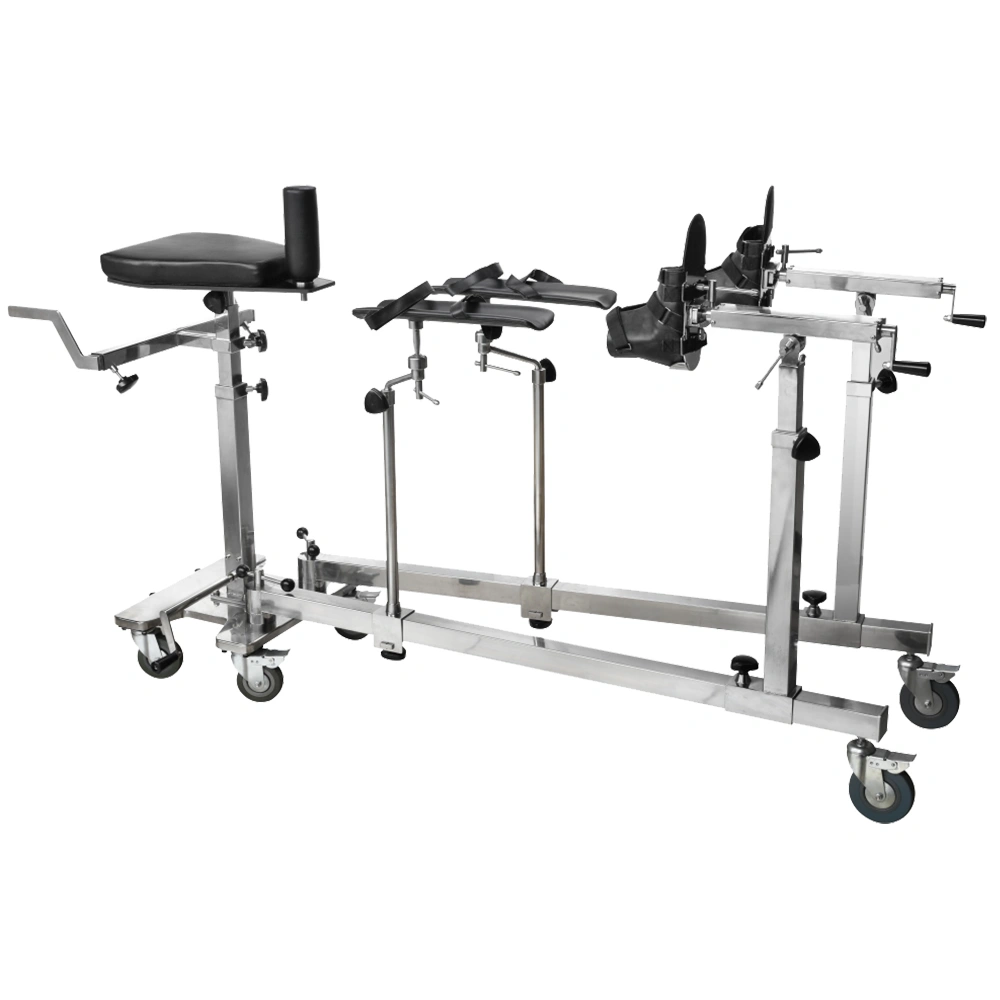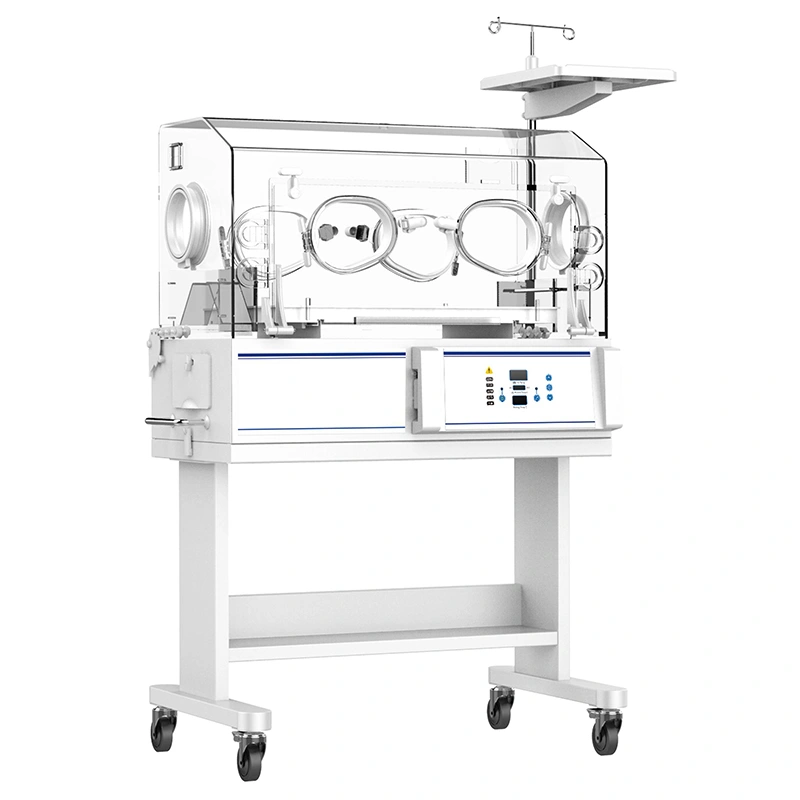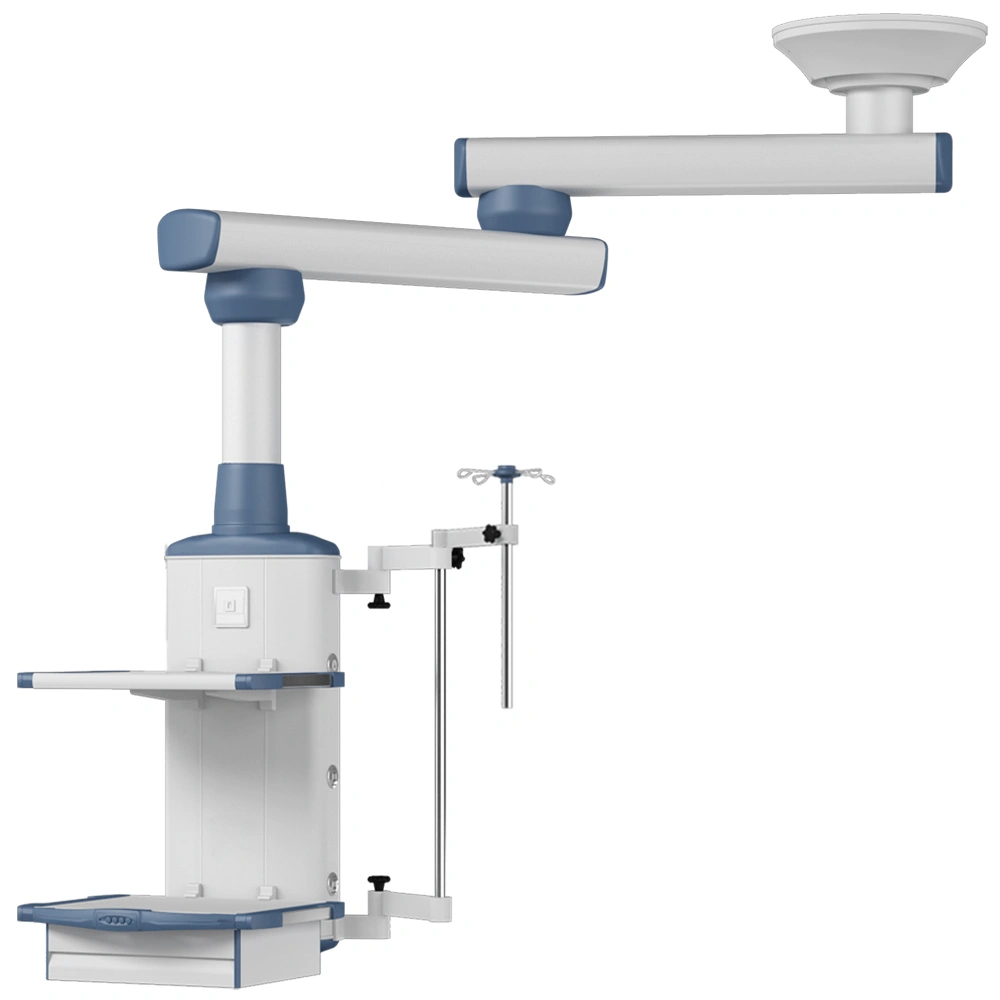
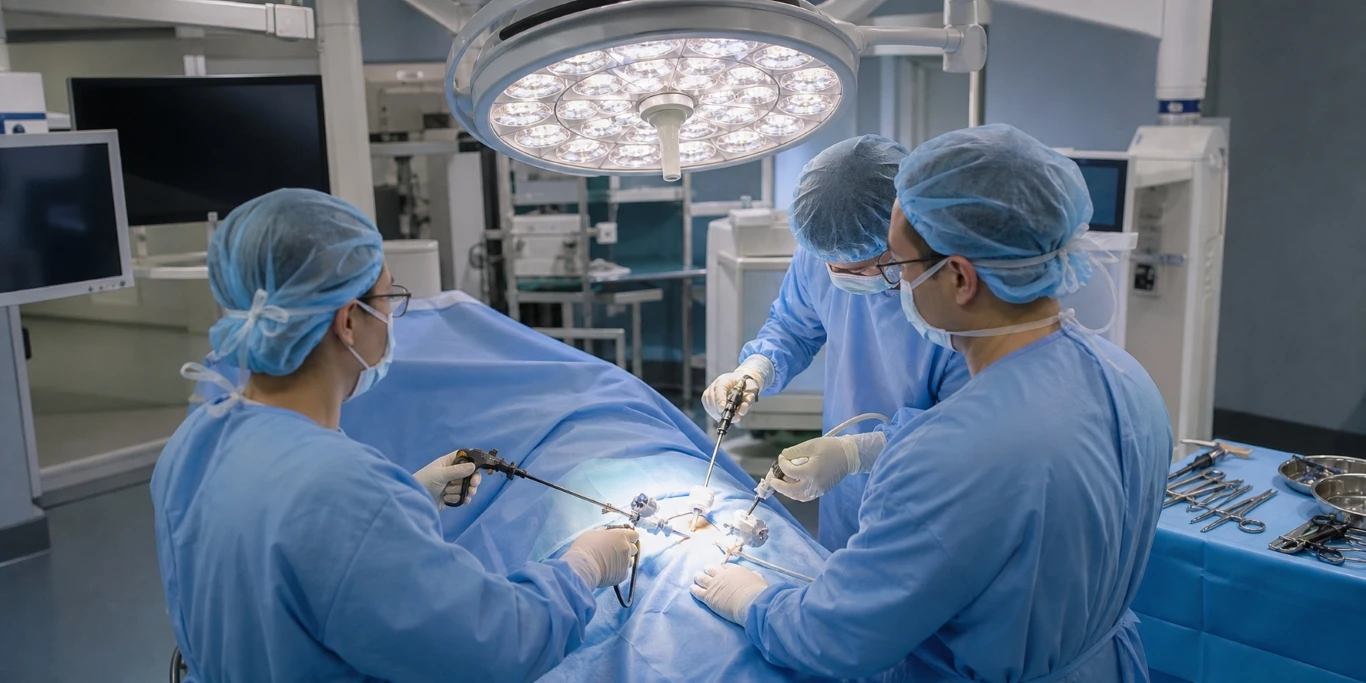
Surgical shadowless lights are used to illuminate the surgical site, enabling surgeons to clearly see small, low-contrast structures at varying depths within incisions and body cavities. Because the surgeon’s head, hands, and instruments can cast distracting shadows over the surgical area, these lights are designed to minimize shadows and reduce color distortion as much as possible.
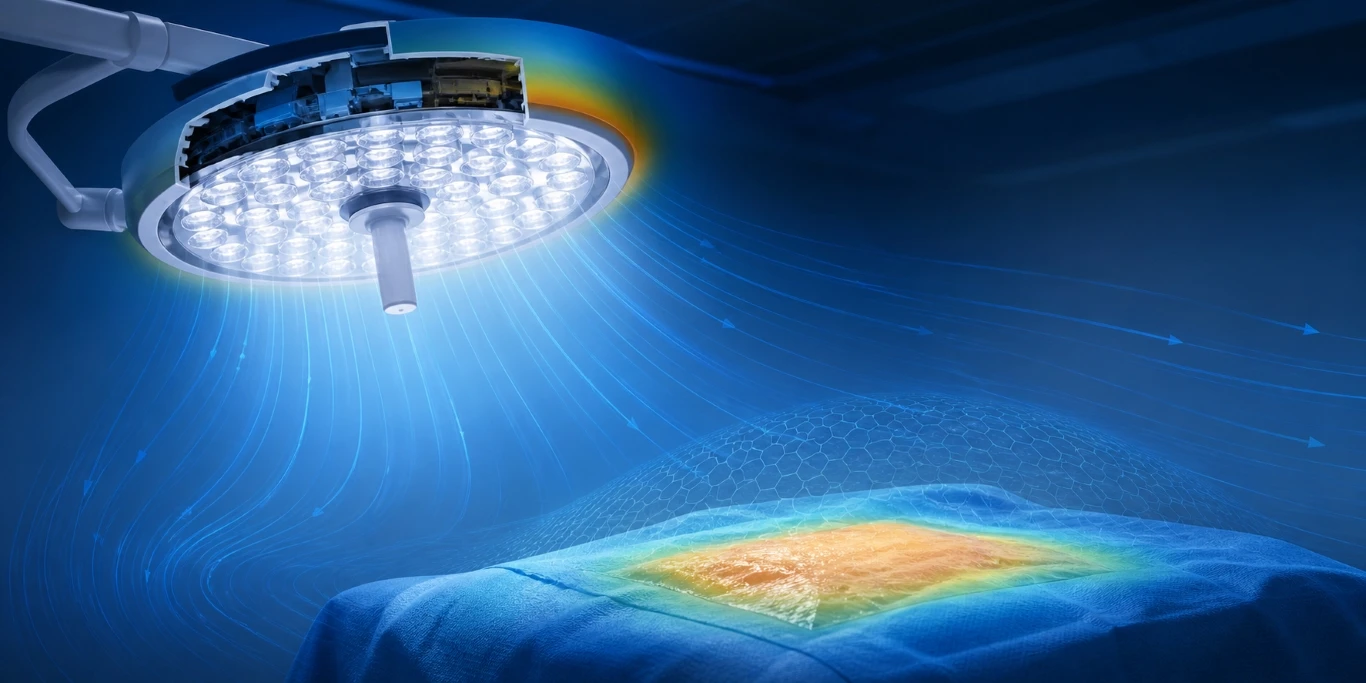
They must also operate continuously for extended periods without generating excessive heat. Too much heat can cause discomfort for the surgical team and dry out tissues in the surgical area.
Components and Operation
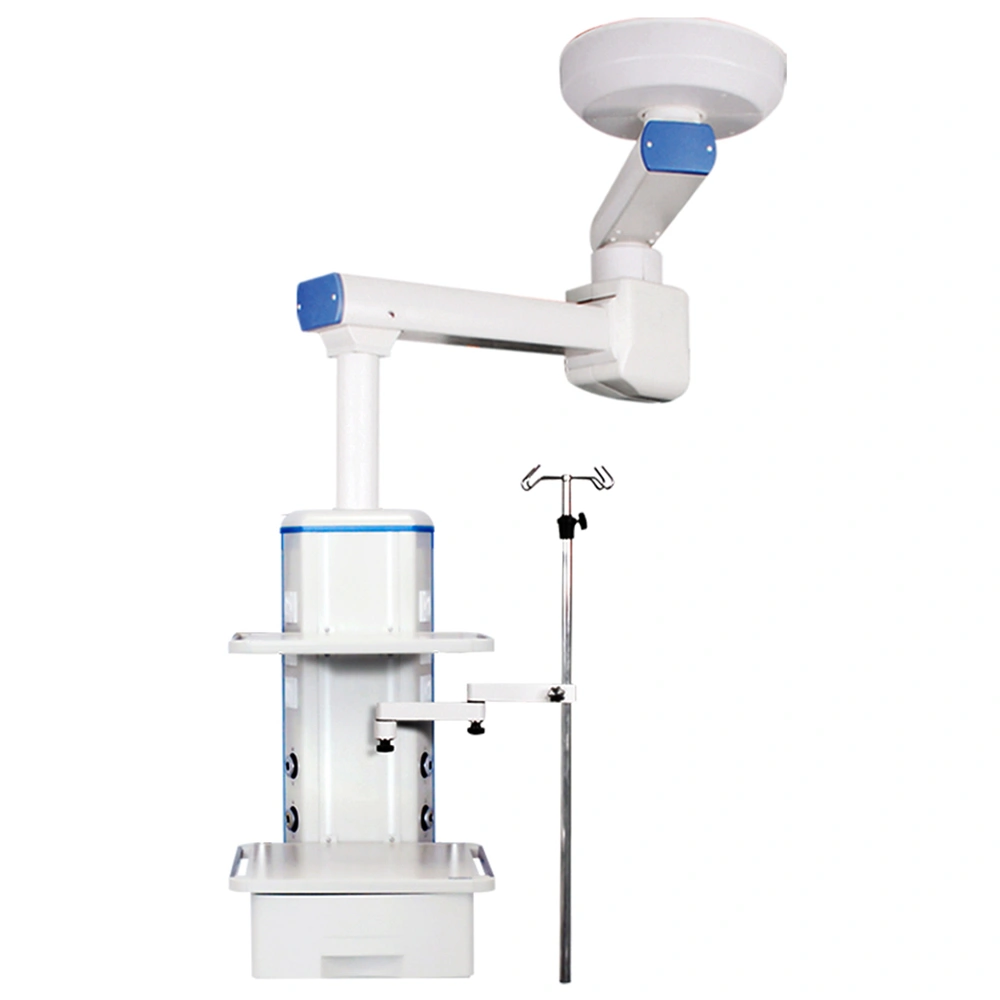
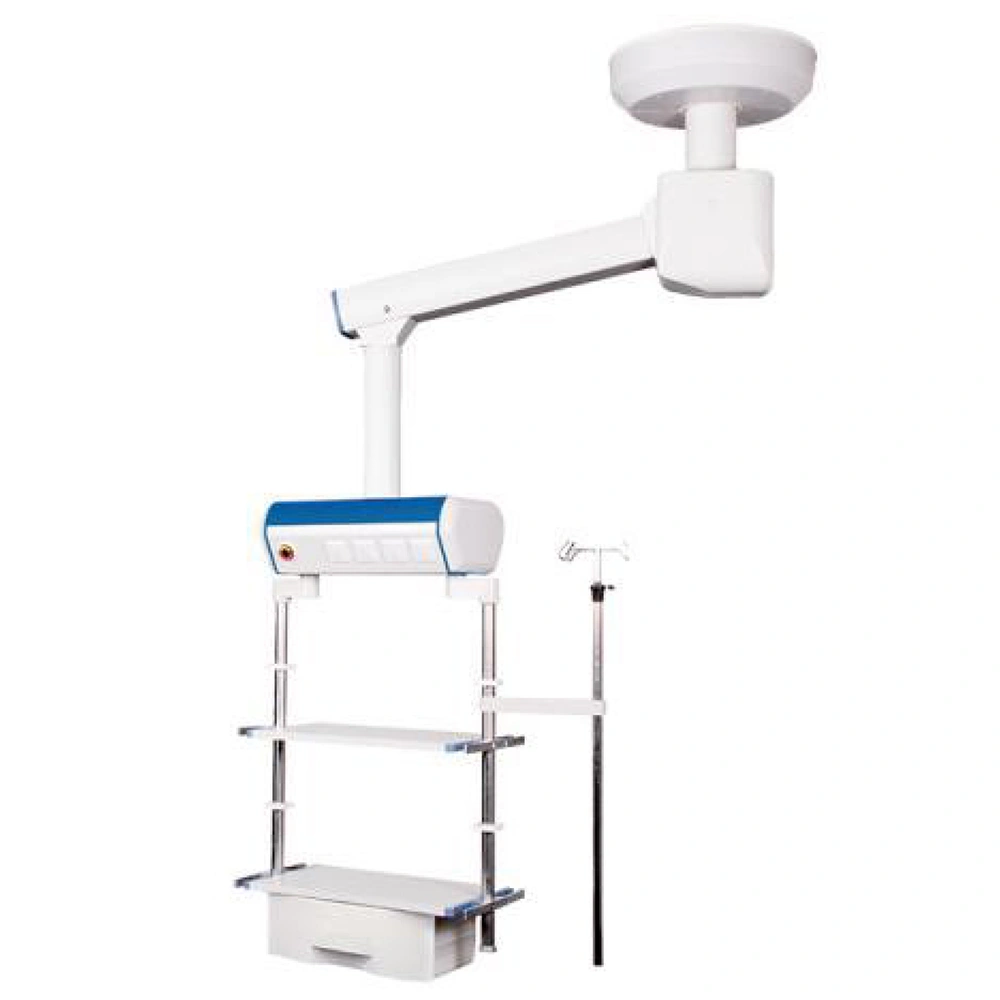
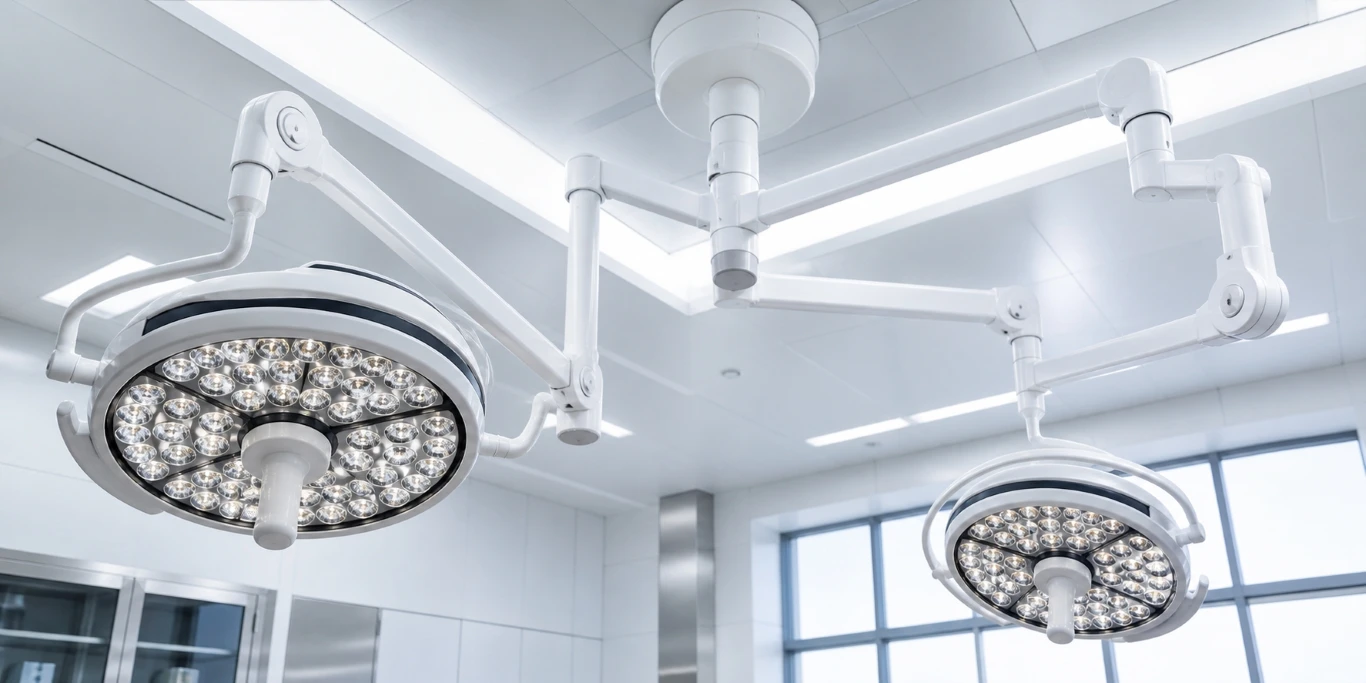
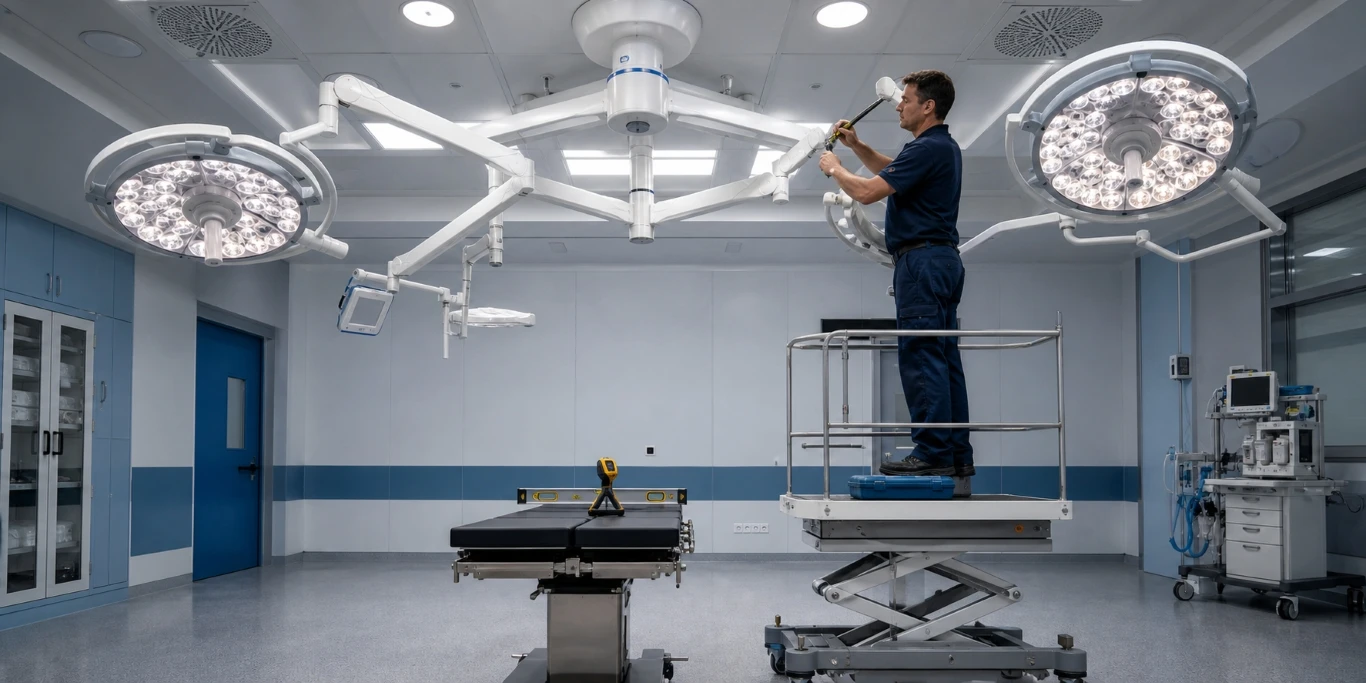
Surgical shadowless lights generally consist of one or more lamp heads mounted on suspension arms that allow vertical and rotational movement. The arms are typically connected to a fixed coupling and can rotate around it.
The light can be flexibly positioned using a sterilizable handle or a sterile positioning rail. Automatic braking and stop mechanisms keep it securely in place while maintaining adequate clearance above and around the surgical site. The mounting system can be installed at fixed points on the ceiling or wall, or on a ceiling-mounted rail.
Features
Ceiling-mounted shadowless lights should be equipped with one or more transformers housed in a ceiling- or wall-mounted control box. These transformers convert the input voltage to the low voltage required by most light bulbs.
Most shadowless lights feature brightness controls, while some models also allow the light field size to be adjusted. This helps minimize unnecessary illumination around the surgical site, as reflections and glare from surgical drapes, gauze, and instruments can cause eye discomfort.
Why Are Surgical Lights Called “Shadowless”?
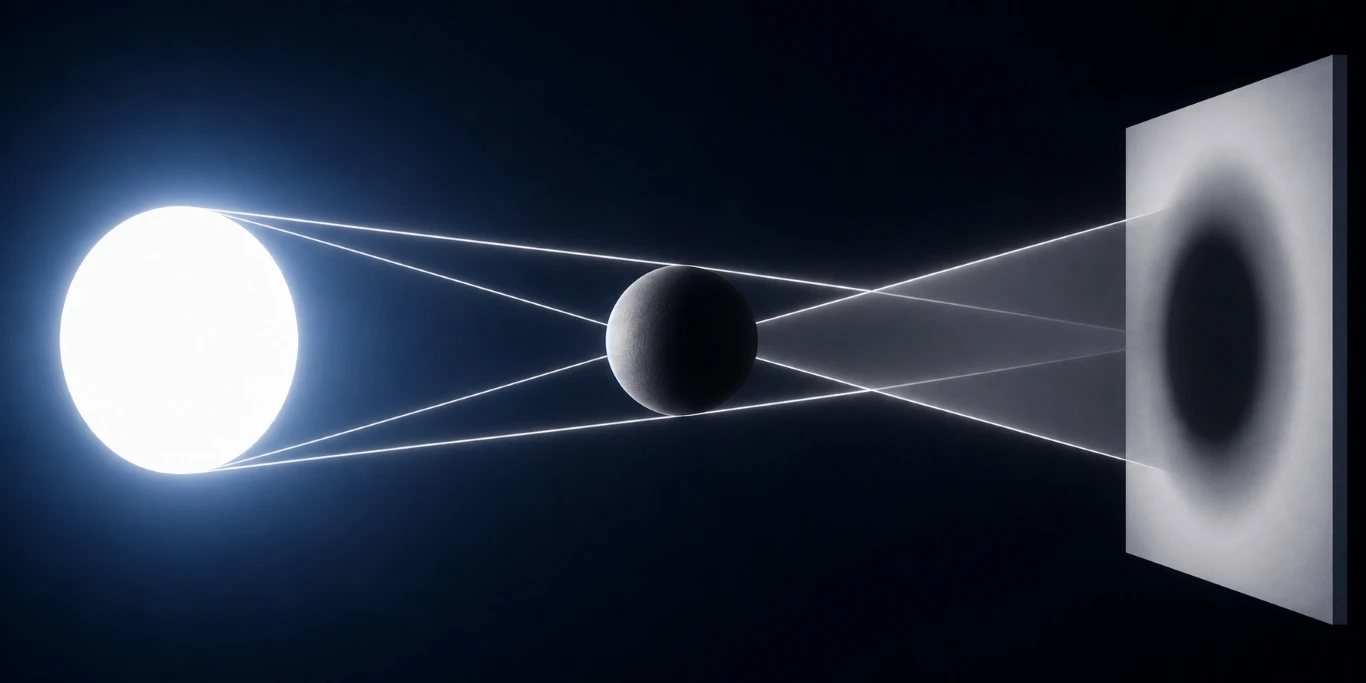
Shadows are formed when an object blocks light. Their appearance varies depending on the light source and surrounding conditions. If you look closely at a shadow cast under an electric light, you will notice that the center is especially dark while the edges are lighter. The darkest central area is called the umbra, and the lighter area around it is called the penumbra. These phenomena are closely related to the fact that light travels in straight lines.
For example, place a cylindrical tea canister on a table and light a candle beside it. The canister will cast a distinct shadow. If two candles are lit beside it, two overlapping but nonidentical shadows will form. The area where the two shadows overlap receives no light from either candle and is completely dark—this is the umbra. The surrounding area receives light from only one candle, creating a partially illuminated penumbra.
If three or four candles are lit, the umbra gradually becomes smaller, while the penumbra develops multiple levels of brightness. Shadows produced by electric lights consist of an umbra and a penumbra for the same reason. The larger the light-emitting area, the smaller the umbra. If a ring of candles is placed around the canister, the umbra disappears completely, and the penumbra becomes too faint to see.
Surgical shadowless lights are designed according to this principle. Multiple high-intensity light sources are arranged in a circle on the light head, creating a large illuminated area. Light reaches the operating table from multiple angles, providing sufficient brightness while preventing a distinct umbra from forming. This is why they are called shadowless lights.
Routine Maintenance
Daily Inspection
Check the operating condition of the bulbs on PRX6000 and PRX8000 models by placing a sheet of white paper in the working area. If an arc-shaped shadow appears, replace the corresponding bulb. Ensure that the sterilizable handle is properly installed—a secure installation produces two clicks. Clean exterior surfaces with a mild alkaline solution, such as soapy water. Avoid chlorine-based cleaners, which may damage metal, and alcohol-based cleaners, which may damage plastic and painted surfaces.
Monthly Inspection
Check the backup power system and battery by disconnecting the 220 V power supply. Confirm that the backup power system activates automatically.
Bulb Service Life
The average bulb service life is approximately 1,000 hours. The lamp holder should generally be replaced once a year, provided that ALM-approved bulbs are used.
Annual Inspection
Annual maintenance must be performed by a certified engineer. This includes tightening power cable connections, joint screws, and electrical brushes; adjusting rotation limits, bulb operating voltage, and joint brakes; and inspecting suspension alignment, system balance, fasteners, brake operation, heat dissipation, lamp holders, bulbs, the sterilizable handle, illuminance, and light field diameter.