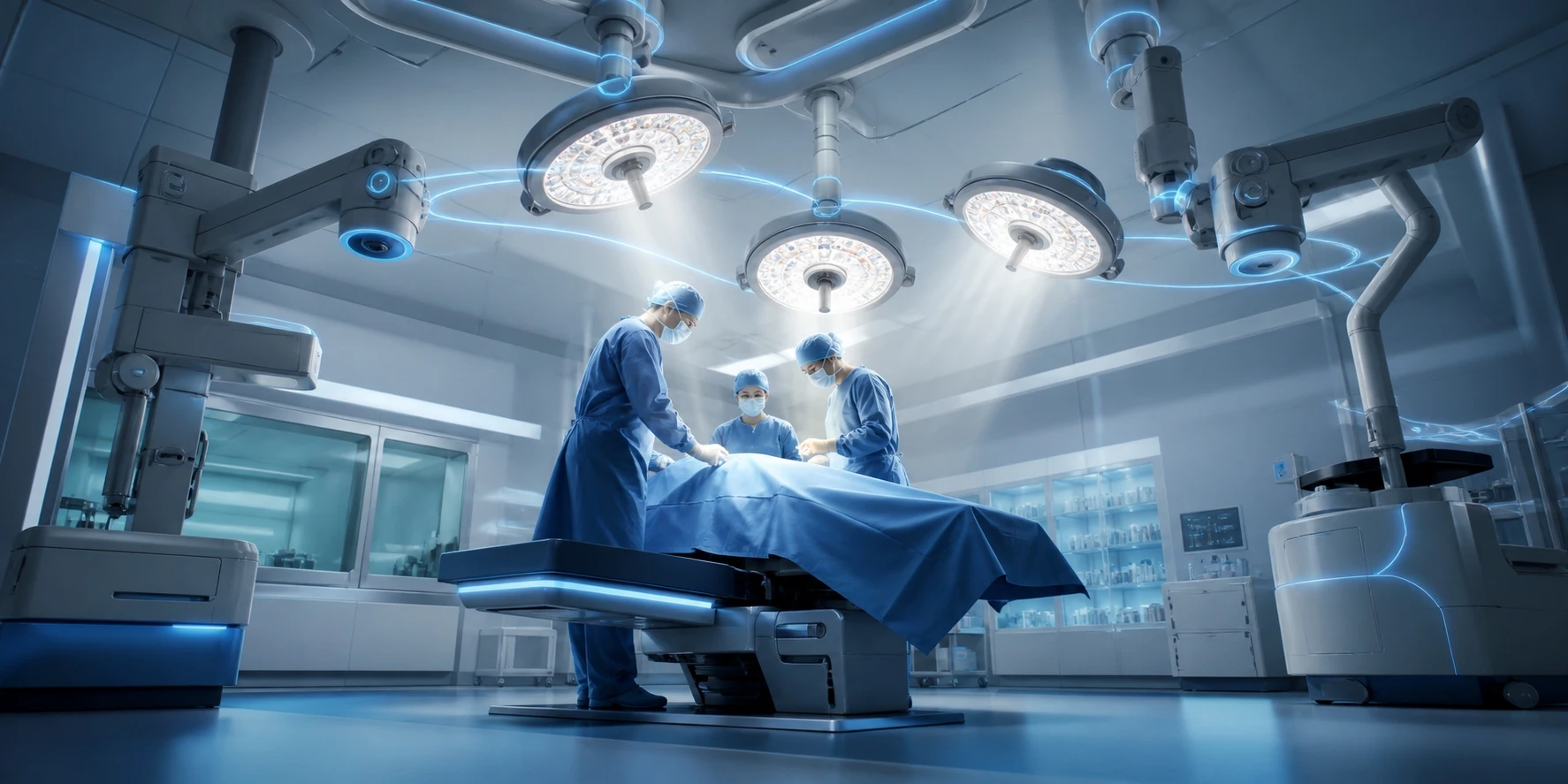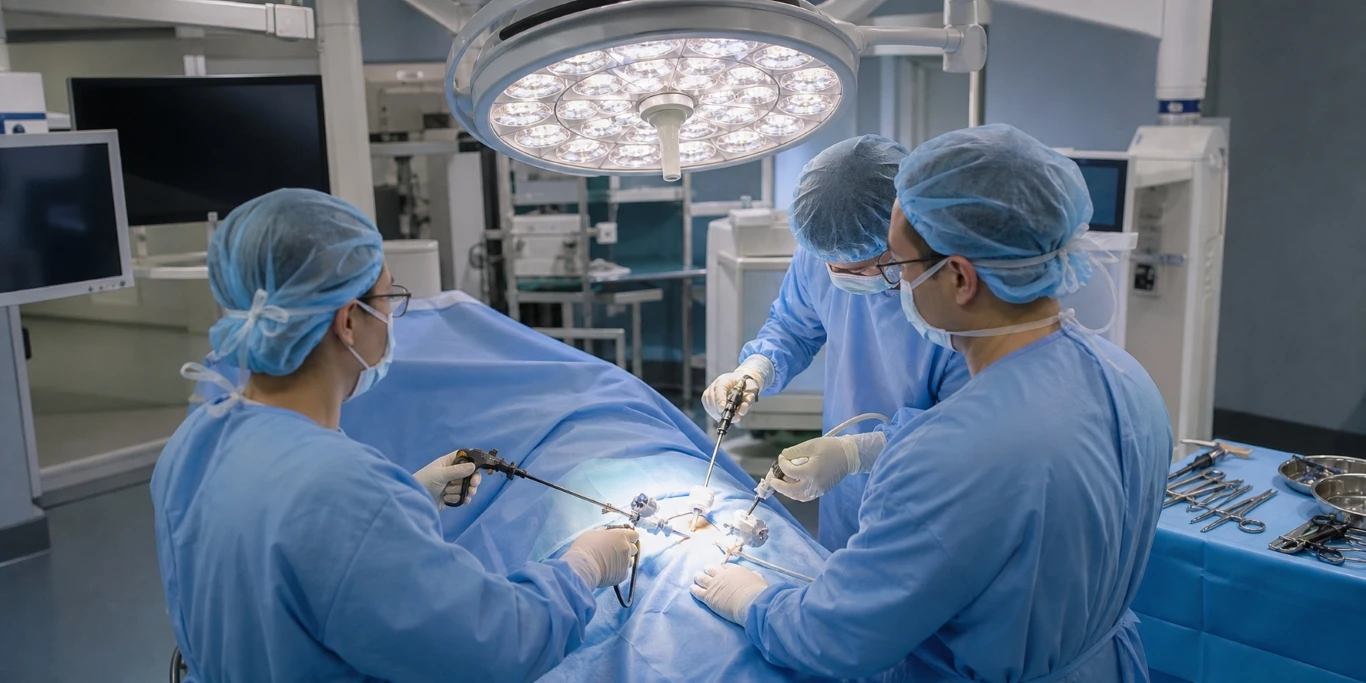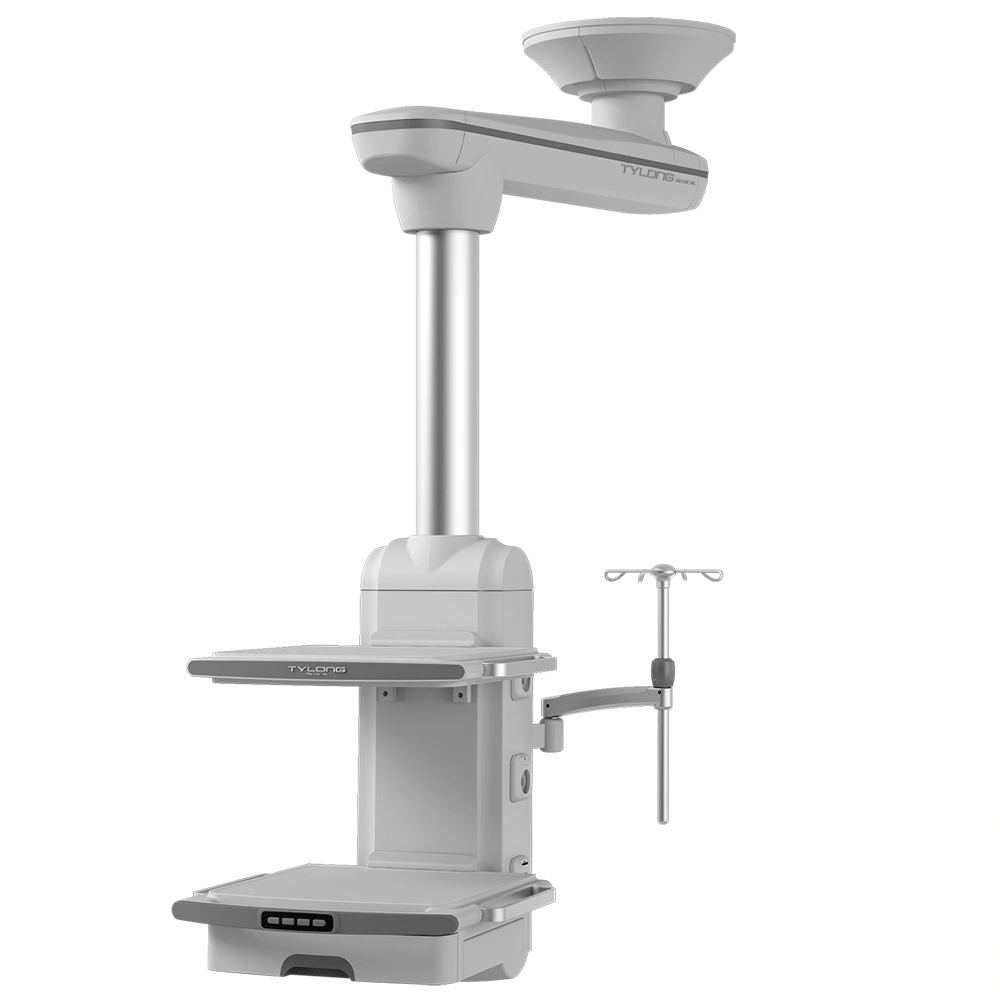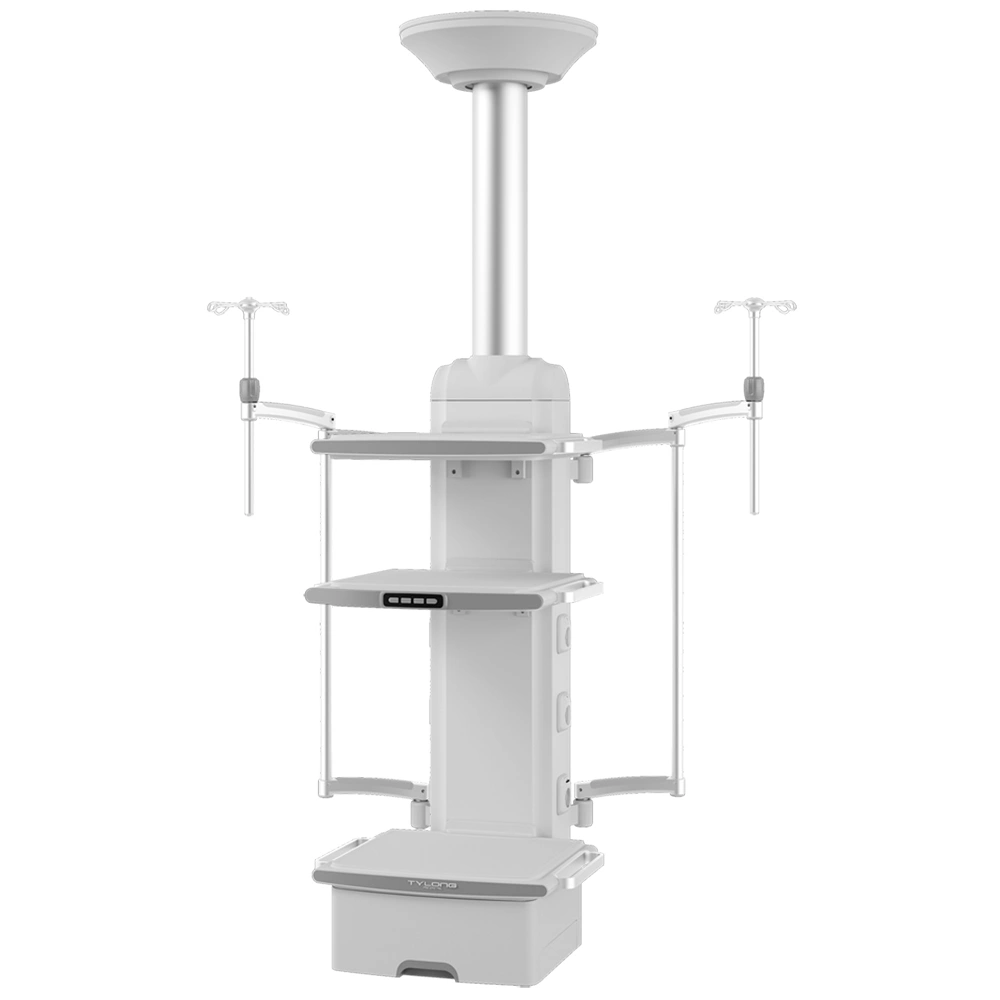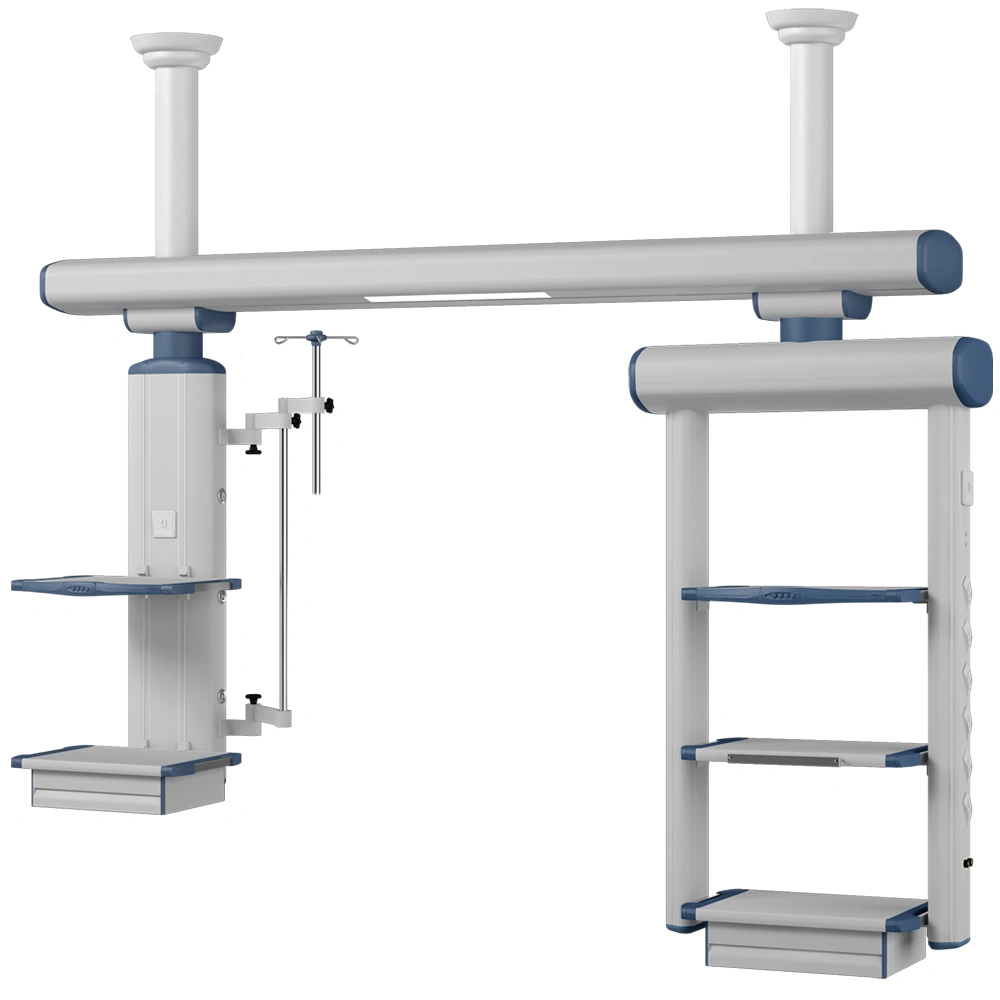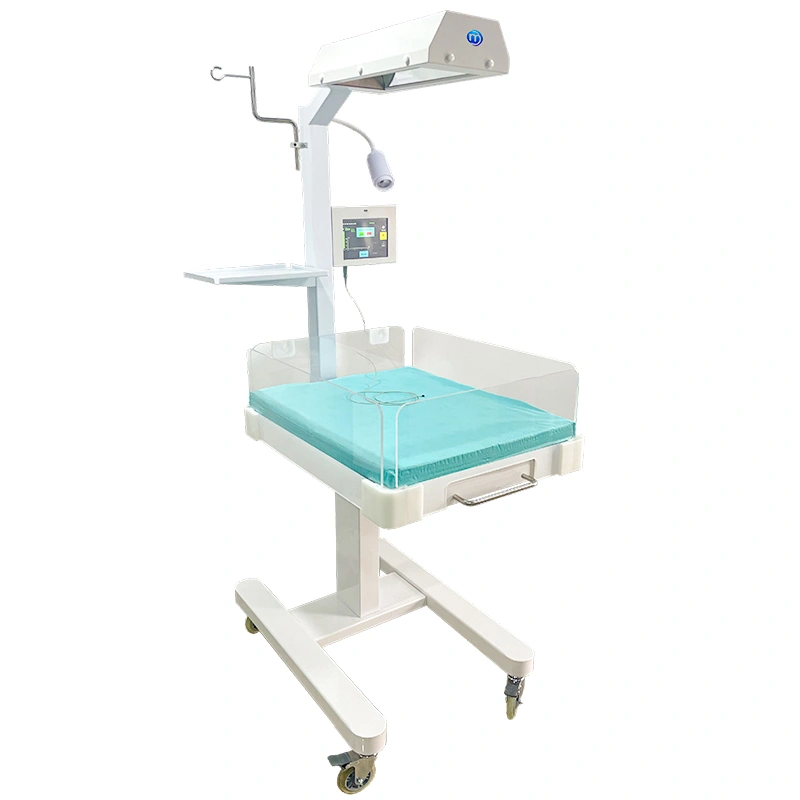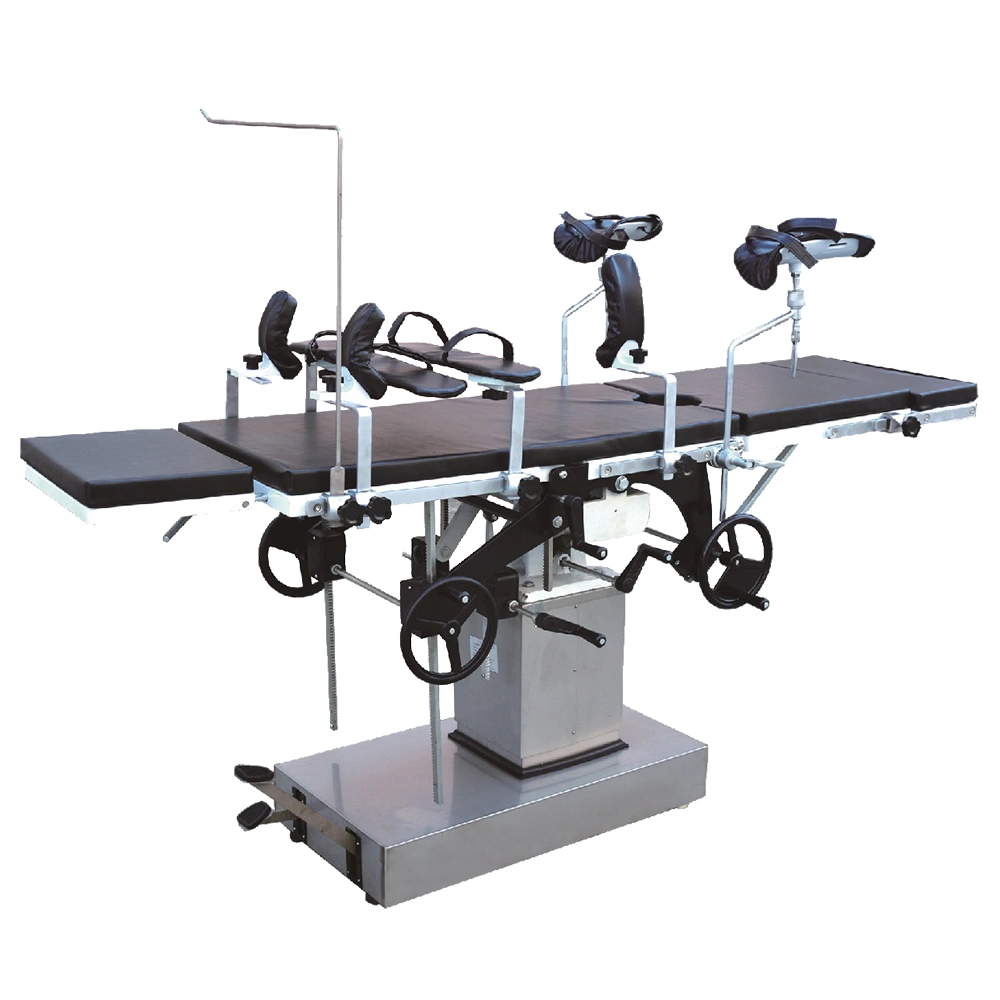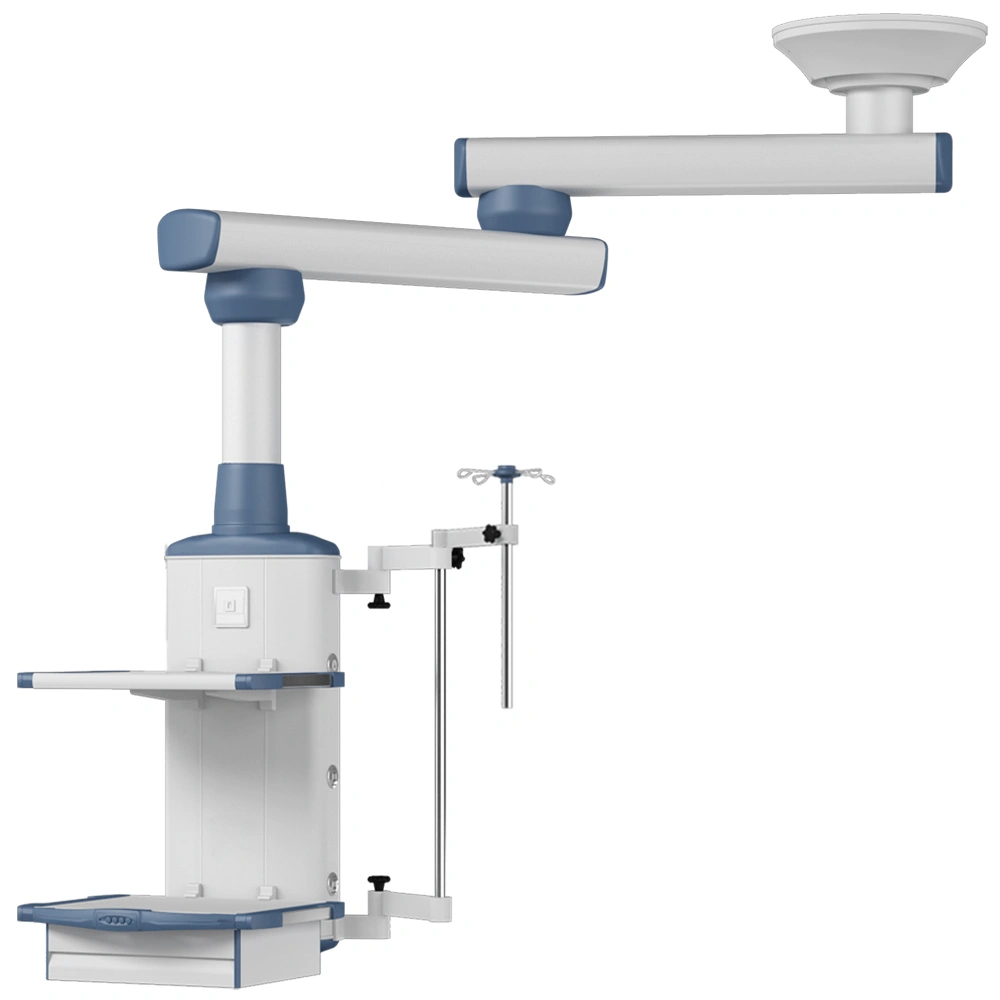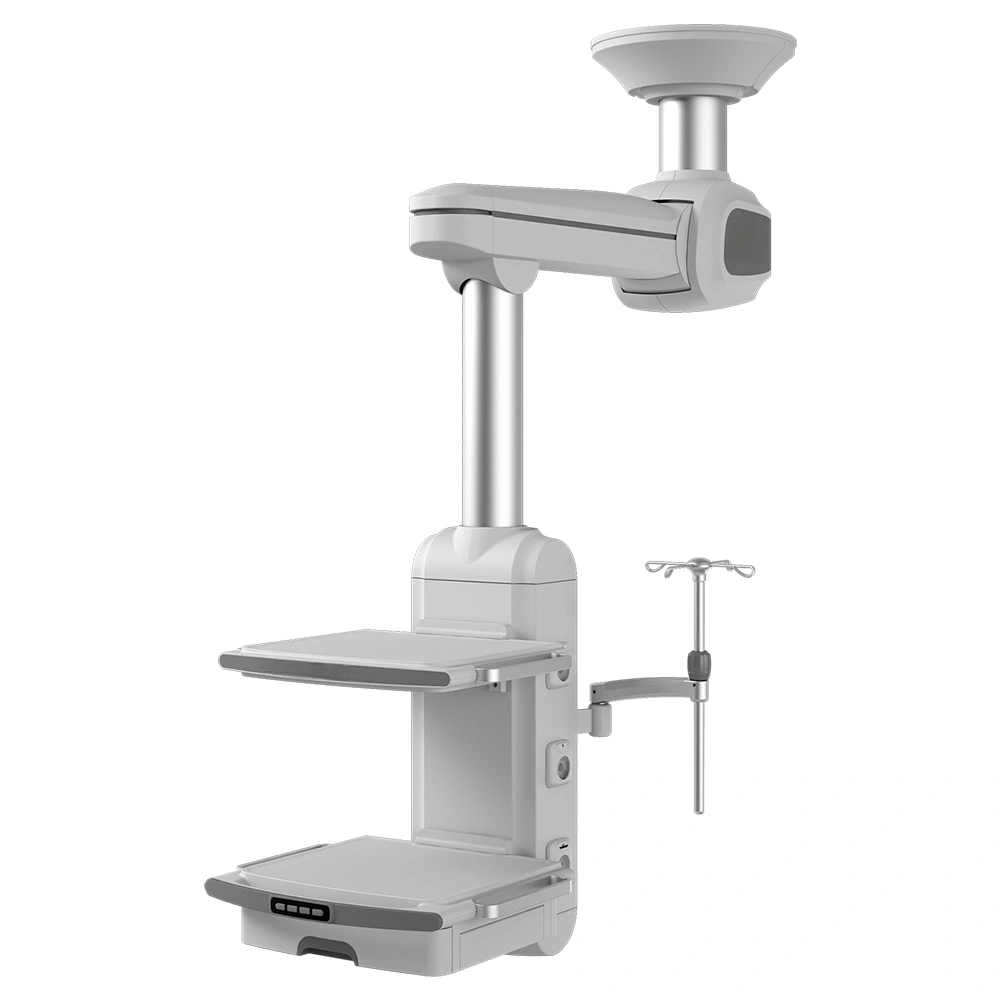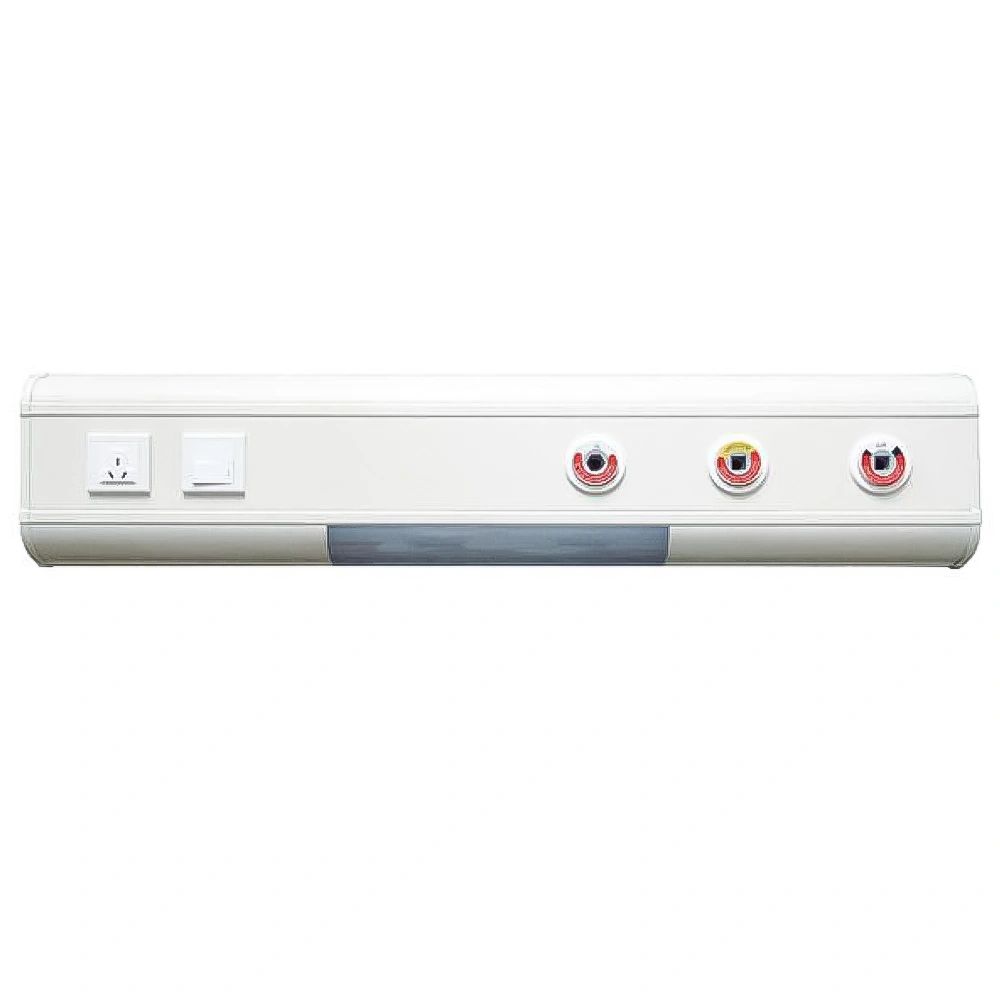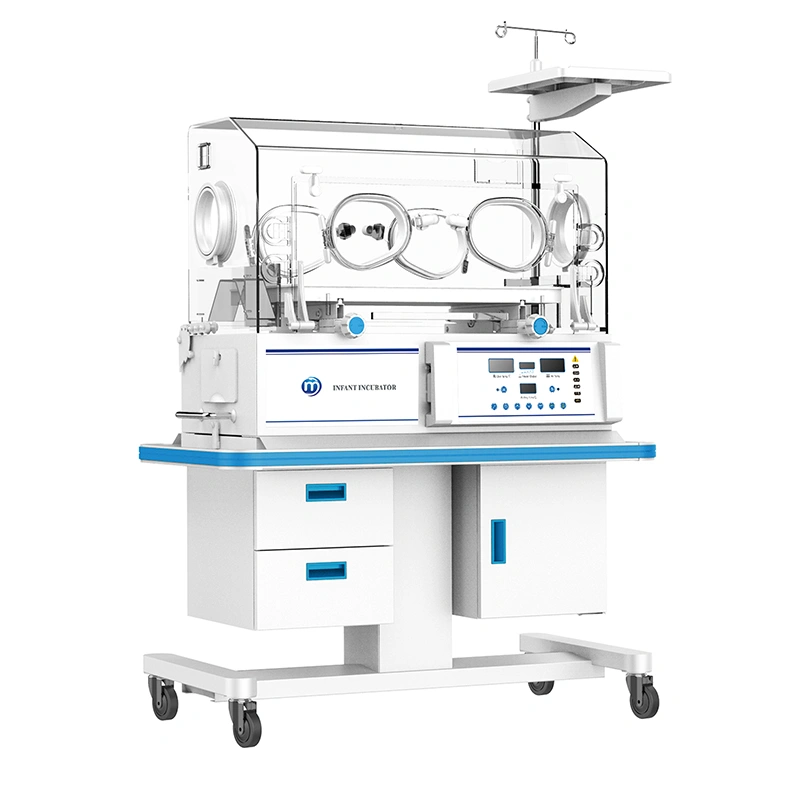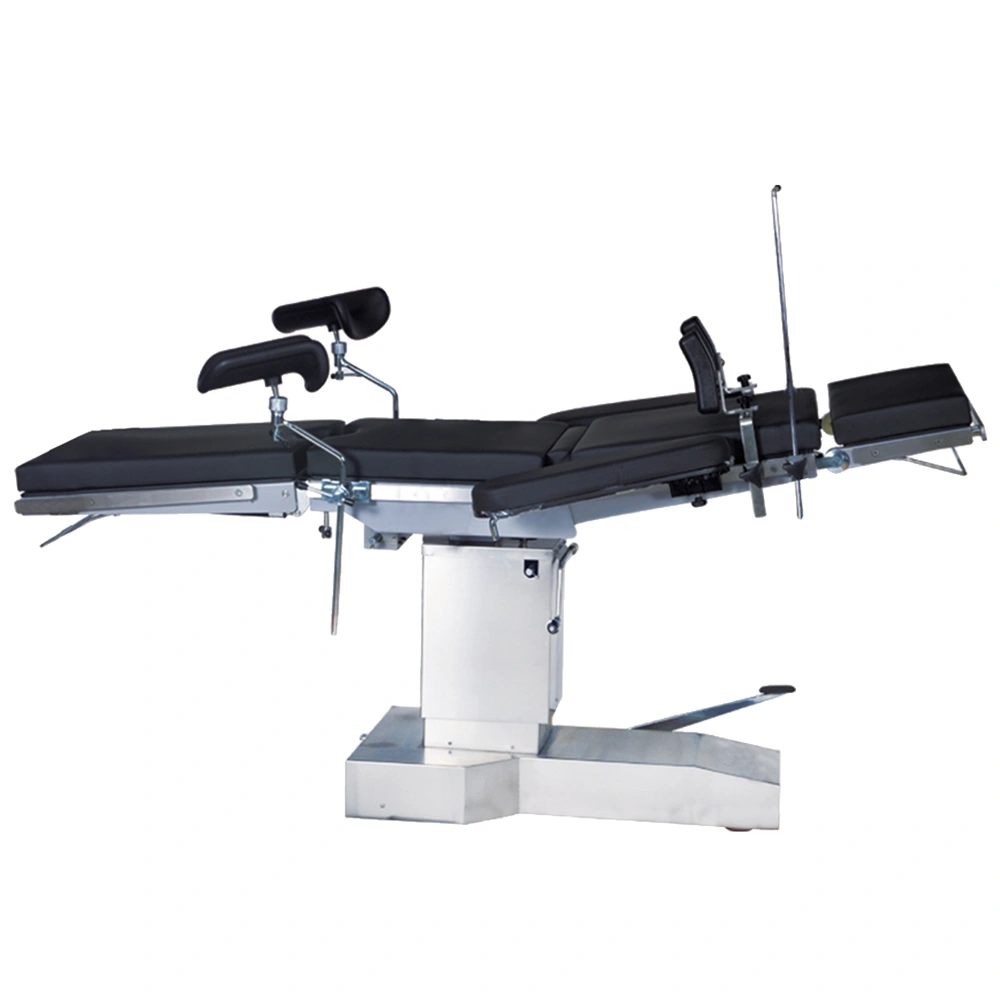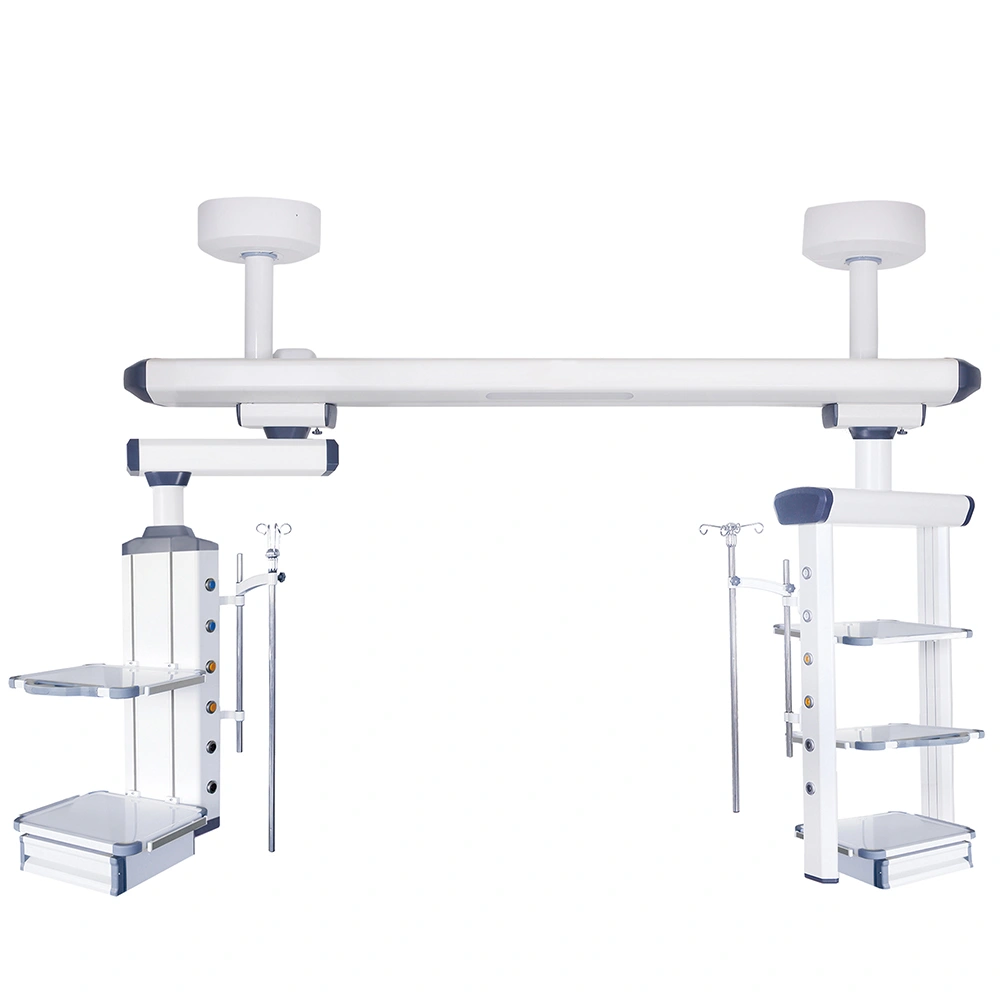
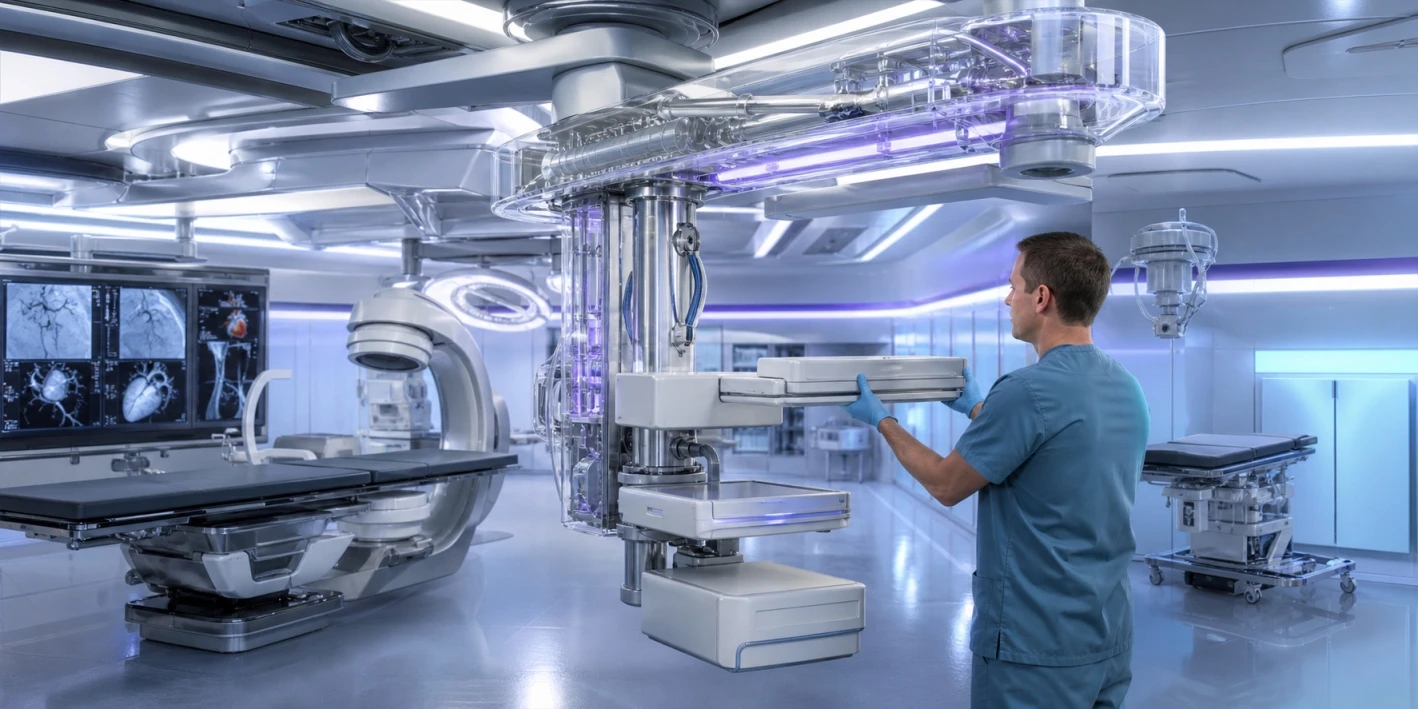
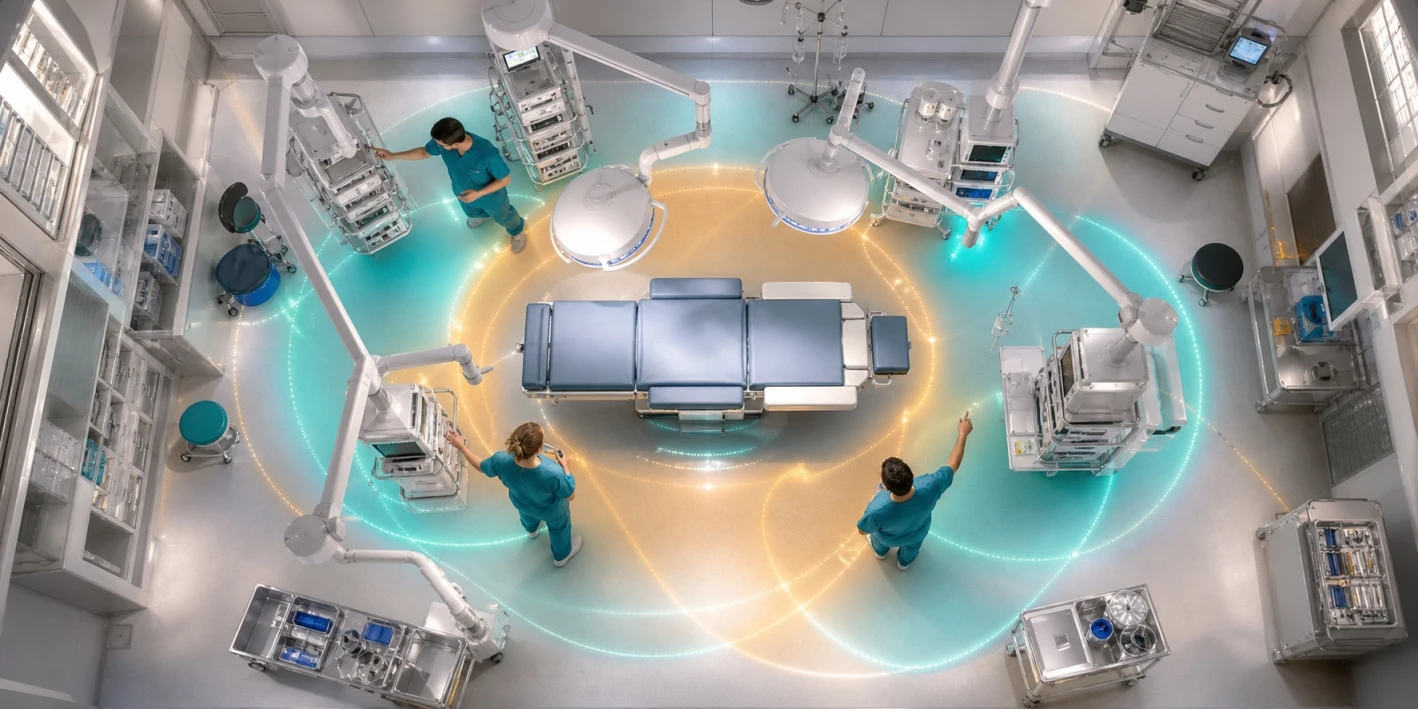
A medical ceiling pendant system provides medical gases, electrical power, data connections, equipment shelves, and cable management at the point of use. By moving essential services above the floor, it can create a more organized operating room and give surgical teams easier access to equipment.
However, choosing an operating room pendant involves more than comparing arm length or price. The system must match the clinical workflow, equipment load, ceiling structure, utility requirements, room layout, and regulations of the destination market.
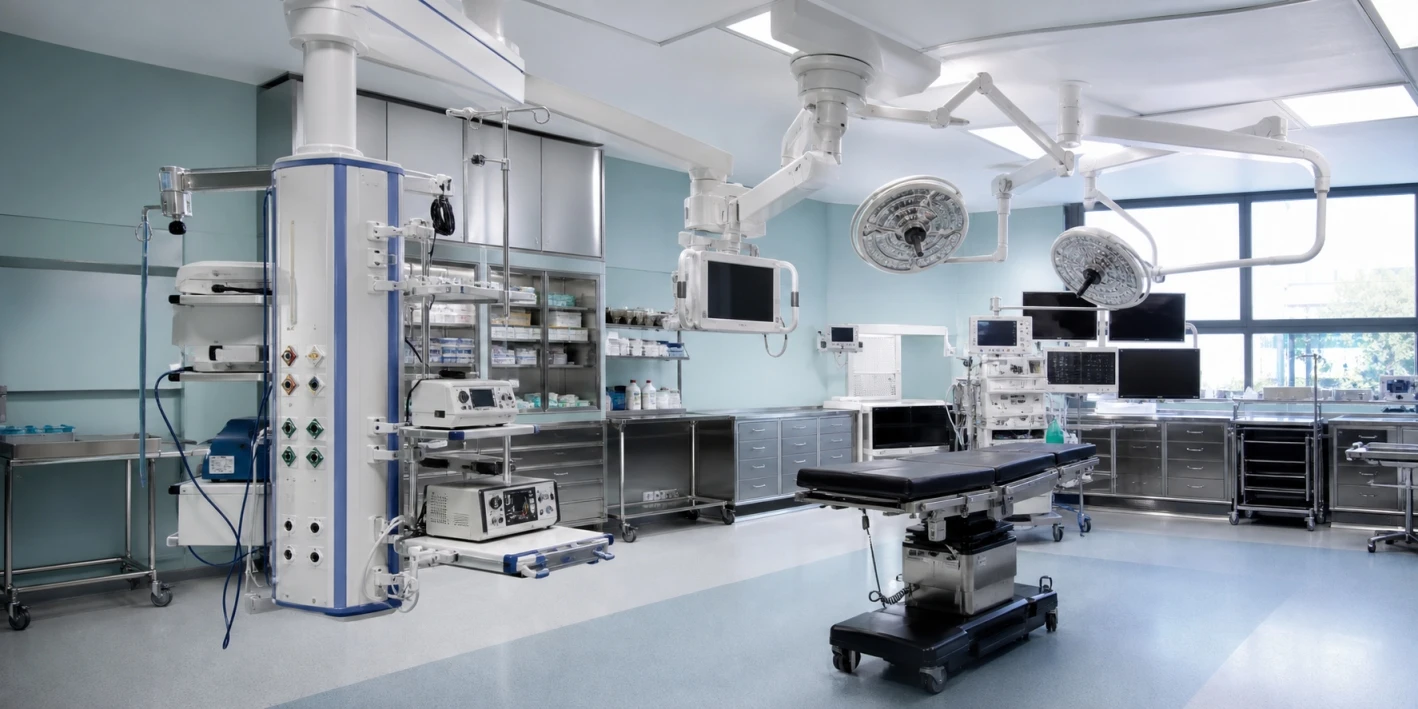
Why Medical Ceiling Pendant Systems Matter in Healthcare Environments
A medical ceiling pendant system is an essential piece of equipment commonly installed in operating rooms, treatment areas, and other clinical spaces. It is mainly used to support medical devices, electrical outlets, gas terminals, cables, shelves, and other operating room accessories. By keeping equipment and lines organized, a ceiling-mounted pendant helps reduce clutter, improve workflow, and create a safer environment for both medical staff and patients.
Compared with fixed medical equipment, a ceiling pendant system offers greater flexibility. It can be adjusted according to different surgical procedures, equipment positions, and staff movement. This is especially important in busy operating rooms, where limited space, cable management, and fast access to equipment can directly affect surgical efficiency and safety.
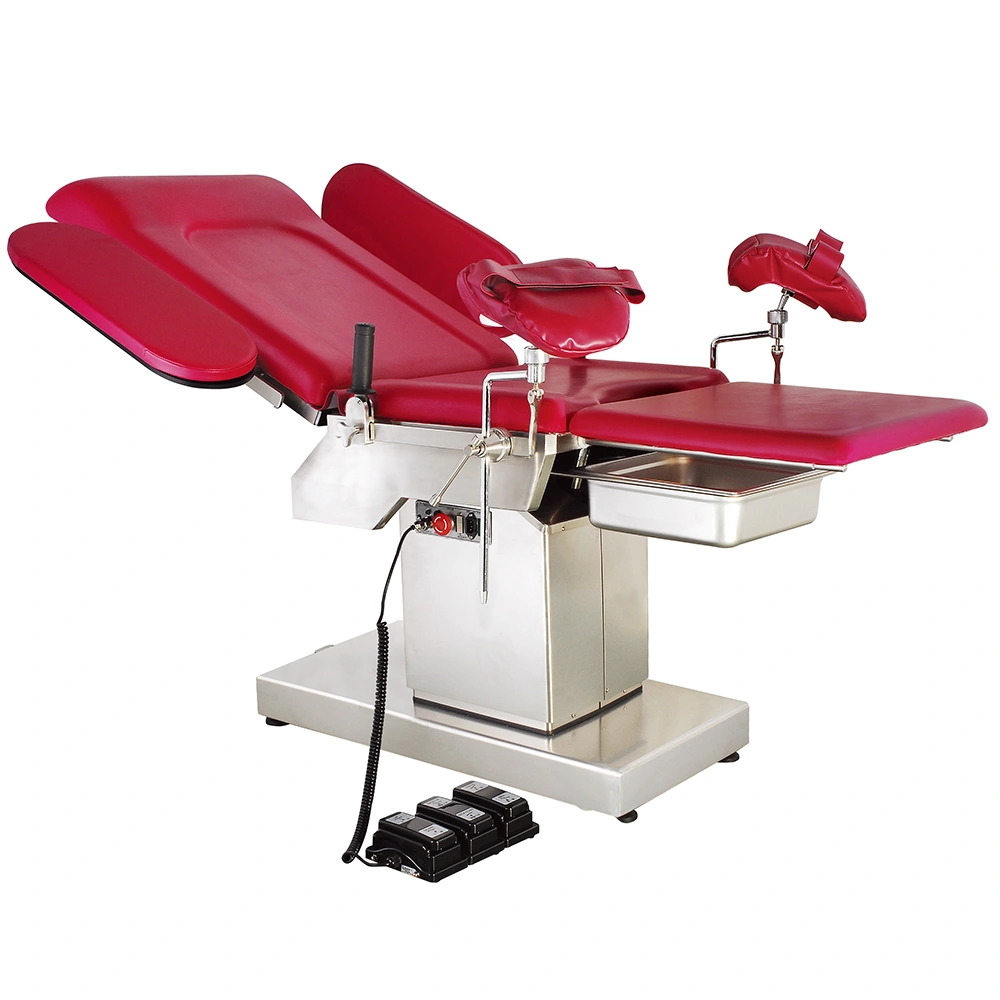
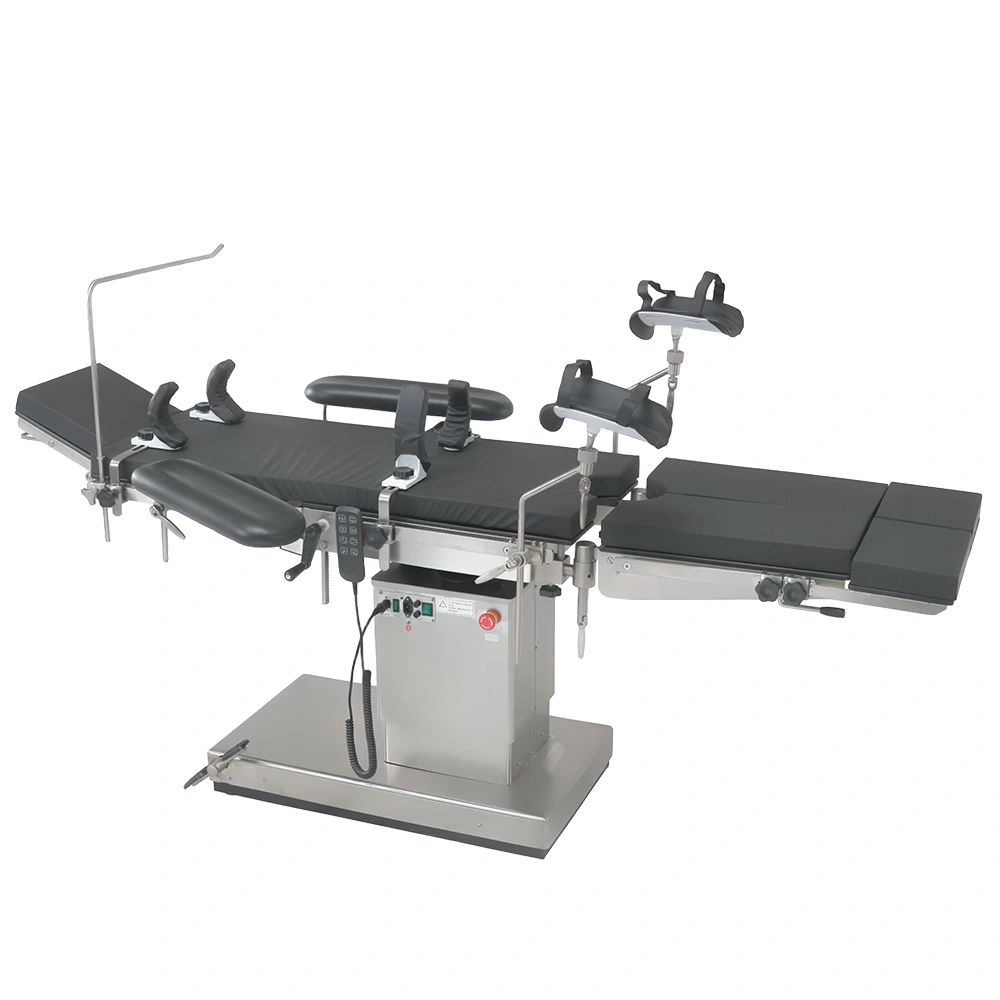
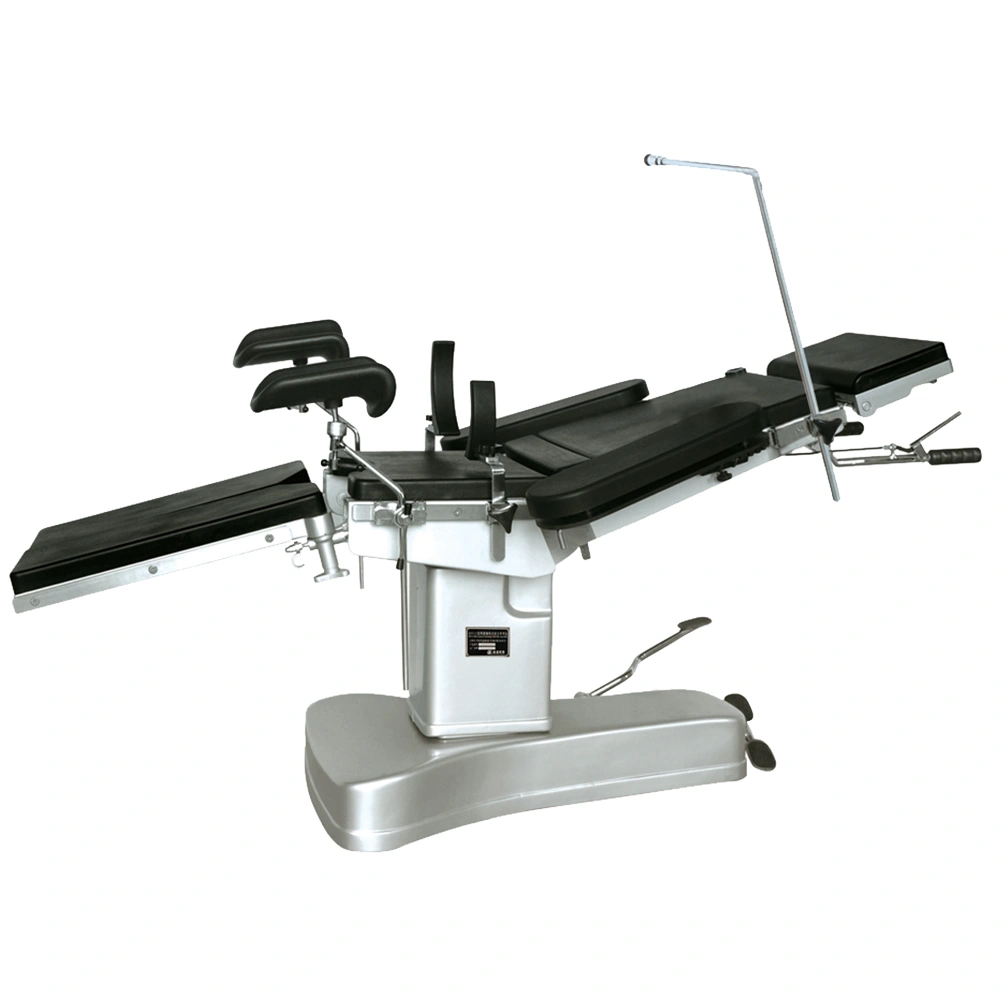
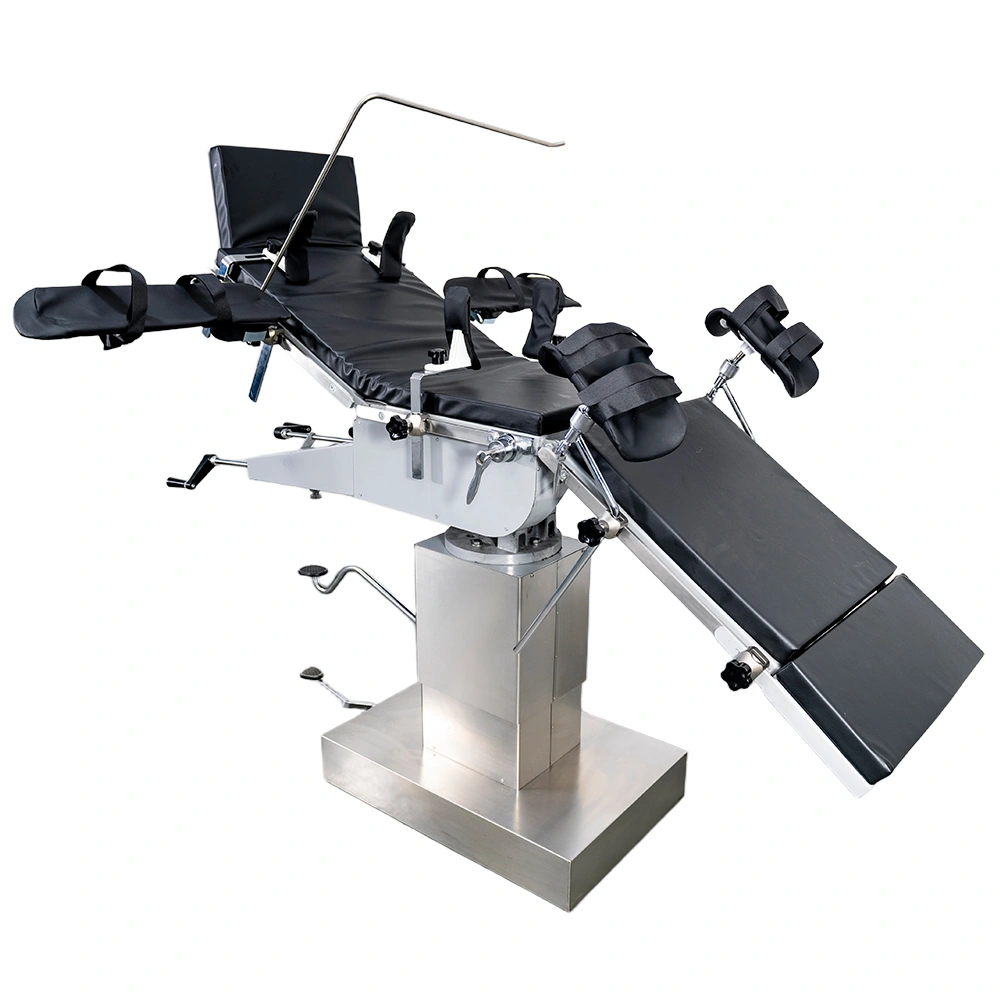
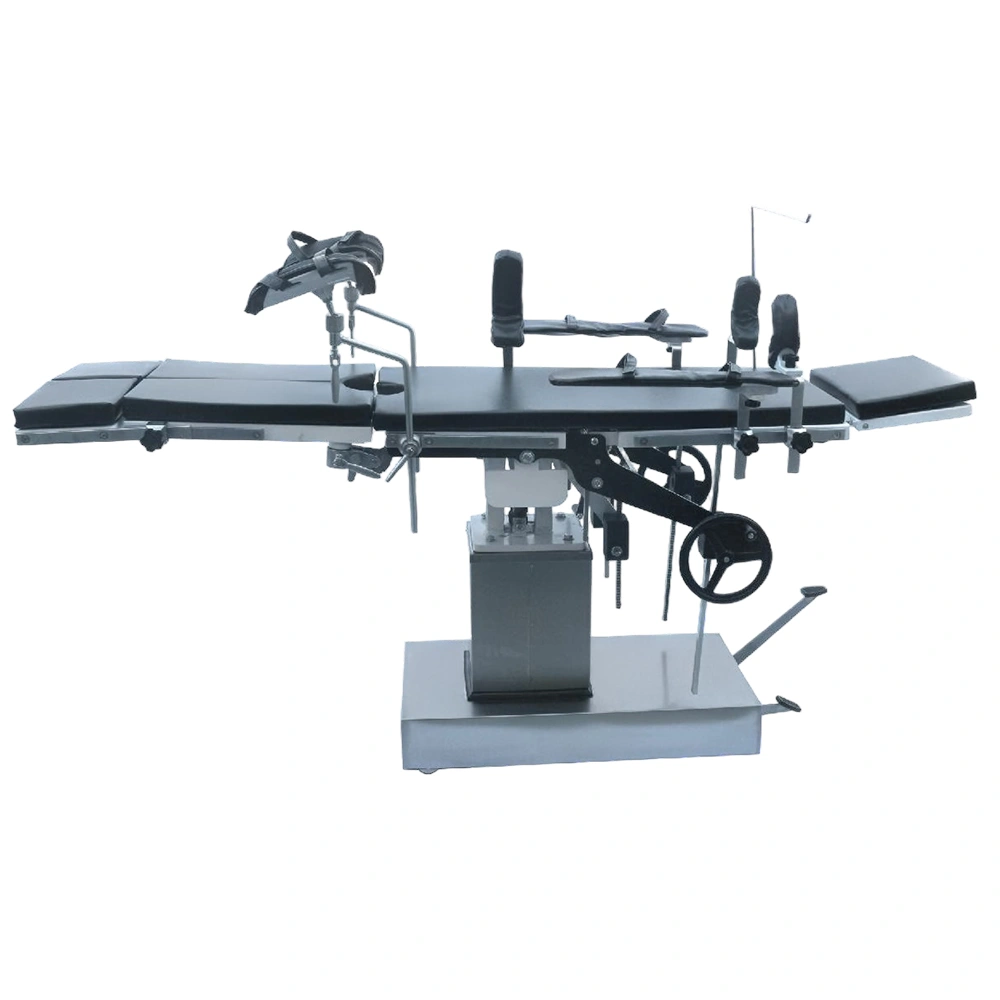
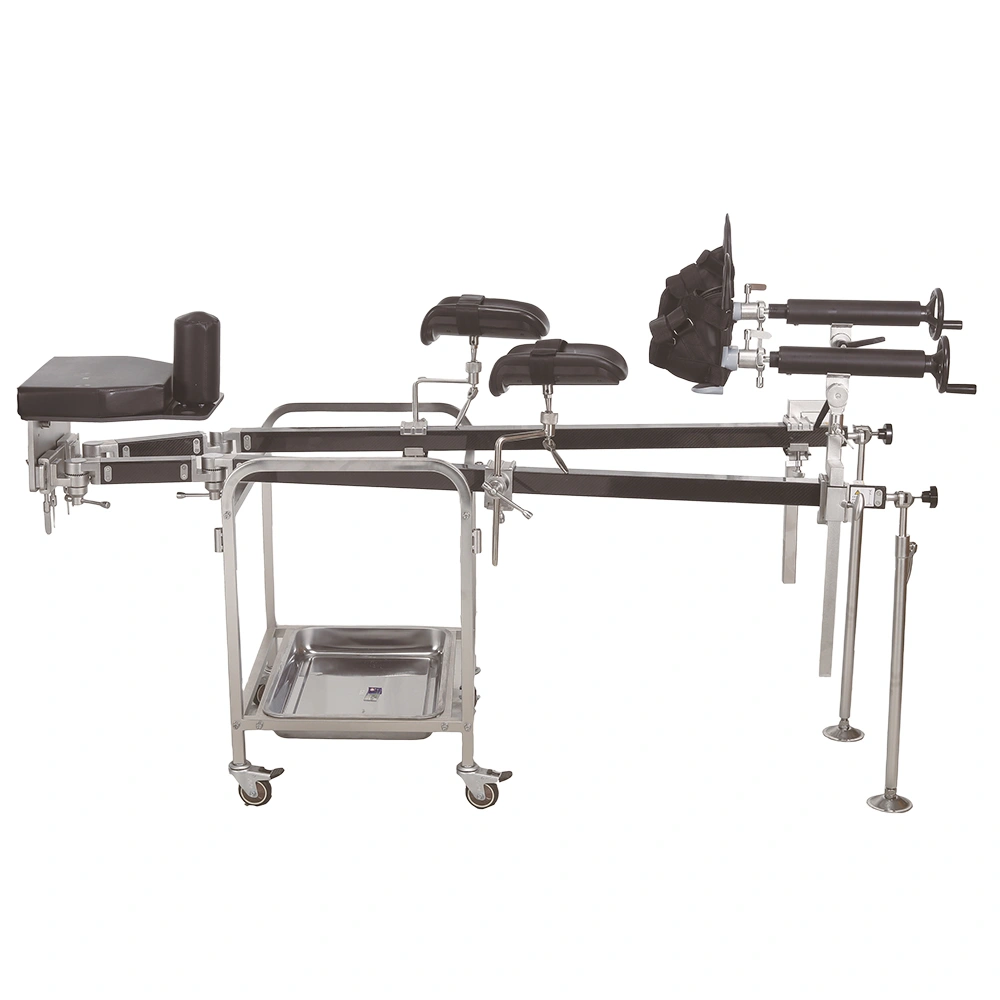
A well-designed surgical pendant can also work together with ophthalmic surgery chairs, cardiovascular imaging tables, semi-spinal operating tables, fracture tables, and other professional medical equipment. When the pendant, operating table, surgical lights, and accessories are planned as one system, the entire medical space becomes more practical and efficient.
Safety is another key reason why medical ceiling pendants are important. A reliable pendant system should provide stable load-bearing capacity, secure installation, smooth arm movement, and dependable braking functions. Cables, gas tubes, and accessories should also be properly fixed to prevent accidental pulling, loosening, or disconnection during medical procedures.
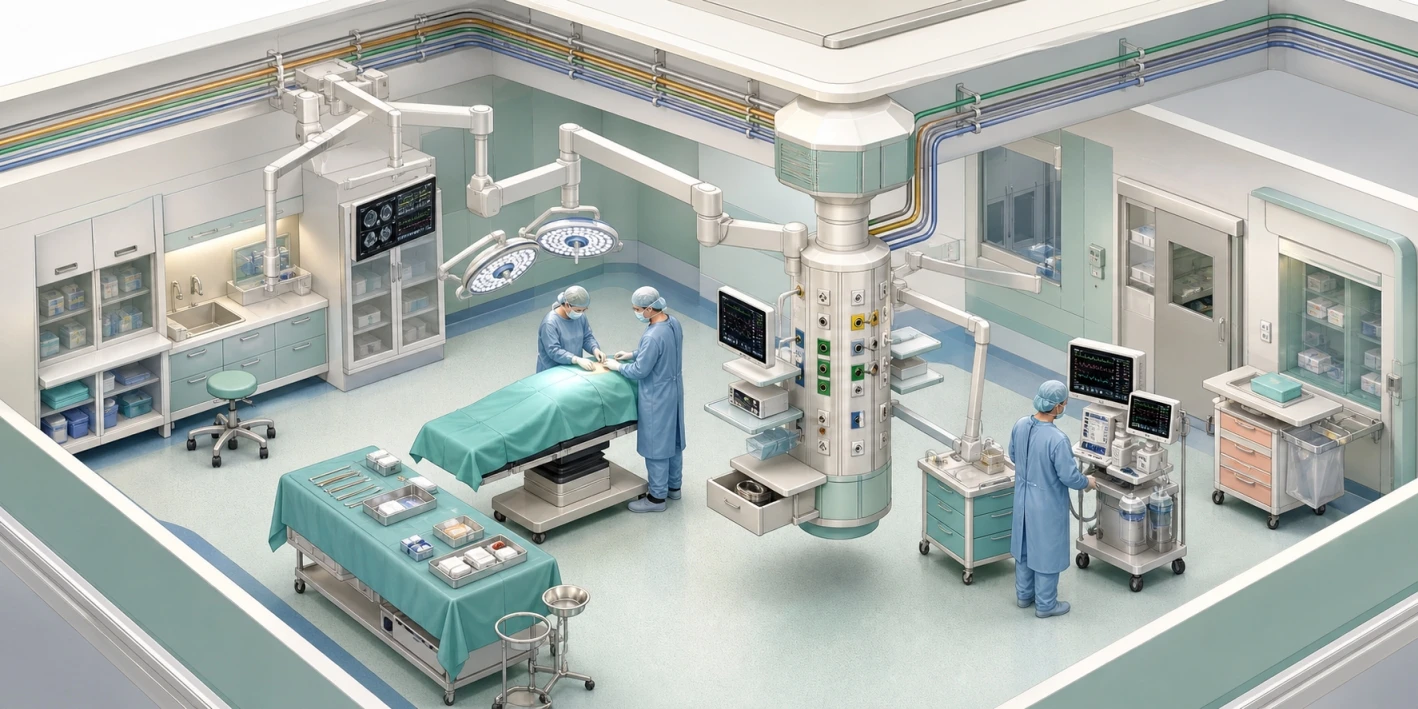
How to Choose the Right Ceiling-Mounted Medical Pendant
Before choosing a medical ceiling pendant, it is important to evaluate the size, layout, and workflow of the operating room or treatment space. Facilities should consider how much movement range is needed, how many devices will be connected, and whether the pendant needs multiple shelves, arms, gas outlets, or electrical sockets.
For compact operating rooms or complex clinical environments, a space-saving and modular pendant design may be more suitable. A multi-level structure can help organize equipment while reducing interference with medical staff movement. For special applications such as ophthalmic surgery chairs or semi-spinal operating tables, the pendant system should be selected according to the required operating position, outlet configuration, and equipment compatibility.
Accessories and future expansion should also be considered. If additional medical devices may be added later, a modular ceiling-mounted medical pendant can make future upgrades easier. For large equipment such as cardiovascular imaging tables or fracture tables, the pendant should offer sufficient load capacity and smooth operation to support safe and efficient procedures.
Cost is another practical factor. The total budget should include not only the pendant body, but also related equipment such as operating room surgical lights, shadowless surgical lamps, operating table accessories, and installation requirements. Since shadowless surgical light prices can vary depending on quality, structure, and compatibility, it is better to evaluate the entire operating room equipment setup together rather than purchasing each item separately.
If the budget is limited, safety, durability, load capacity, and compatibility should be the first priorities. Additional shelves, arms, outlets, and accessories can be added later based on actual clinical needs.
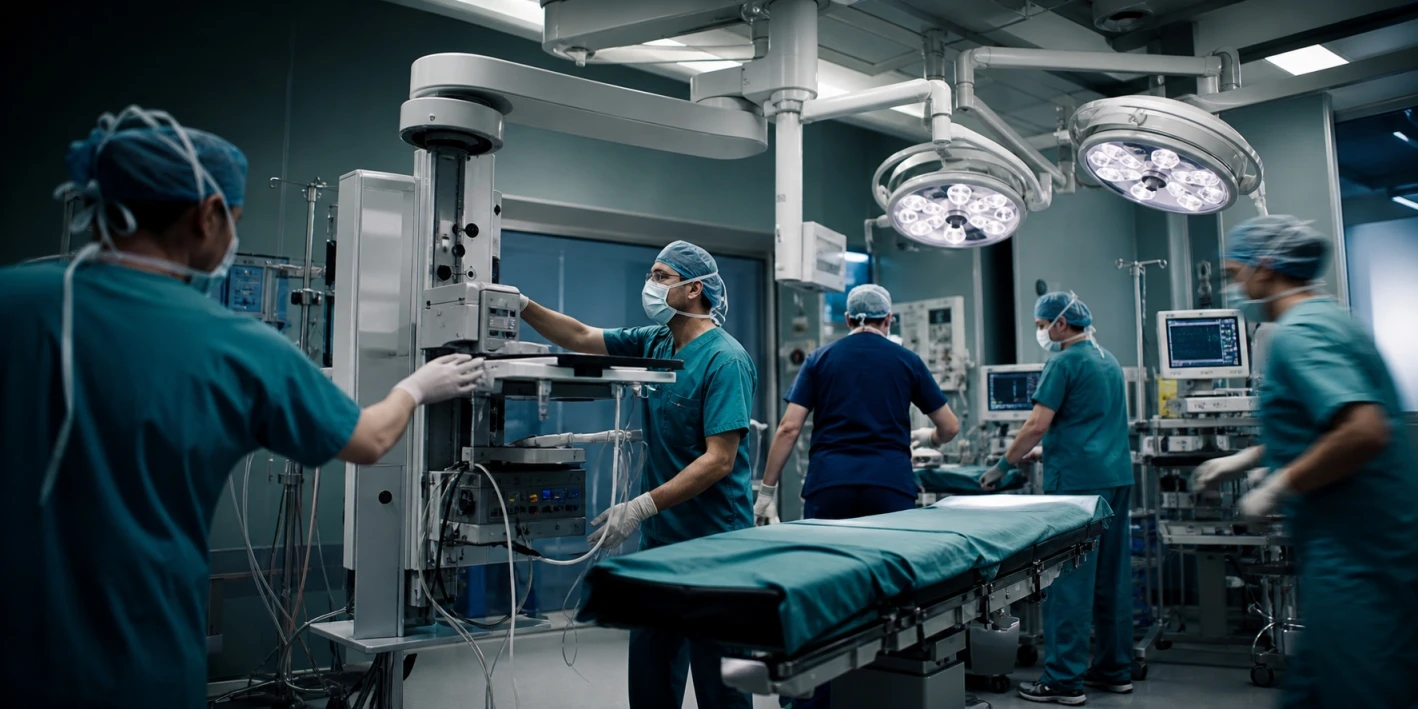
Creating an Efficient Surgical Space with Compatible Equipment
A medical ceiling pendant works best when it is properly integrated with other surgical equipment. For example, an ophthalmic surgery chair requires precise adjustment of height, angle, and patient position. When used with a suitable pendant system, cables and devices can be arranged neatly, allowing surgeons to focus on delicate procedures without unnecessary interference.
Operating table accessories also play an important role in improving patient comfort and reducing the workload of medical staff. When accessories are compatible with the pendant, surgical lights, and operating table, the overall workflow becomes smoother and safer. This type of setup is especially useful for precision procedures involving ophthalmic surgery, cardiovascular imaging, and semi-spinal surgery.
Operating room surgical lights should also be planned together with the ceiling pendant. A good layout can reduce shadows, prevent blocked views, and maintain a clear surgical field. By choosing the right surgical lighting solution, medical facilities can improve visibility, enhance operating room efficiency, and make the investment in shadowless surgical lights more worthwhile.
Different medical beds and tables also require different pendant configurations. A fracture table usually needs strong support and flexible equipment positioning, while a home care bed focuses more on simple operation, ergonomic design, and daily caregiving convenience. Because these applications are very different, the pendant or support system should always be selected according to the actual use environment and expected function.
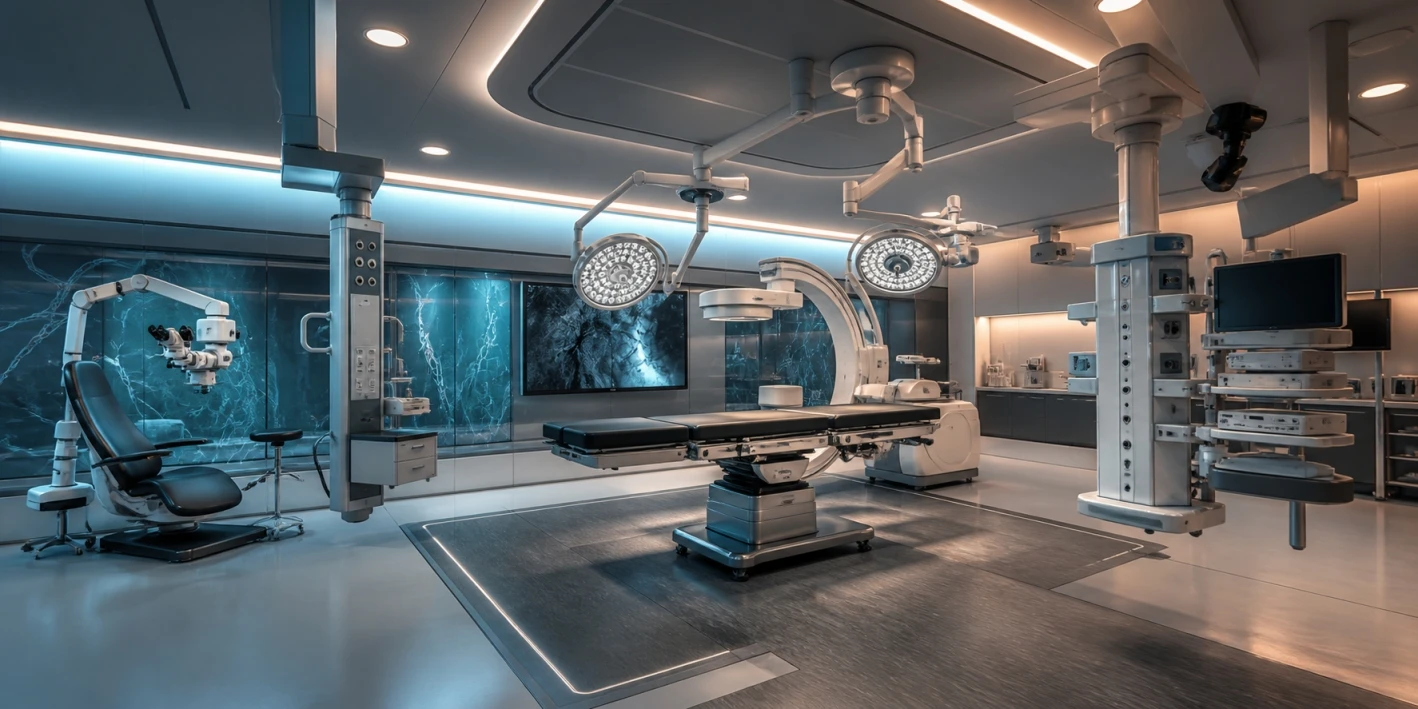
Maintenance and Safe Use of Medical Ceiling Pendants
Regular maintenance is essential for keeping a medical ceiling pendant safe and reliable. Bearings, electrical wiring, gas outlets, braking systems, arms, shelves, and fixed structures should be checked periodically to prevent loosening, wear, or operating risks.
When a pendant system is used together with operating table accessories and surgical lighting equipment, maintenance should cover the entire integrated system. This helps prevent one equipment issue from affecting the whole surgical workflow. During cleaning, strong corrosive solvents should be avoided because they may damage the surface coating, mechanical parts, or internal structure of the equipment.
If the pendant arm becomes difficult to adjust, produces unusual sounds, or cannot stay firmly in position, inspection and repair should be arranged as soon as possible. Choosing compatible surgical lights, pendant systems, and accessories can also make future maintenance, replacement, and technical support more convenient.
Training is equally important. Medical staff should understand the movement range, load limits, operating method, and safety precautions of the ceiling-mounted pendant system. Standard operating procedures should also include how to adjust the pendant together with surgical lights, operating tables, and accessories. With proper training, the equipment can be used more efficiently and its service life can be extended.
Plan Your Medical Equipment Setup with Professional Support
With a wide variety of medical ceiling systems, ophthalmic operating chairs, surgical lights, operating table accessories, and specialized medical beds available on the market, choosing the right combination is no easy task. Space planning, safety, workflow, compatibility, maintenance, and future scalability all require careful consideration. Through proper planning and equipment combinations, your medical space will become safer, more organized, and more efficient, thus better serving healthcare professionals and patients.