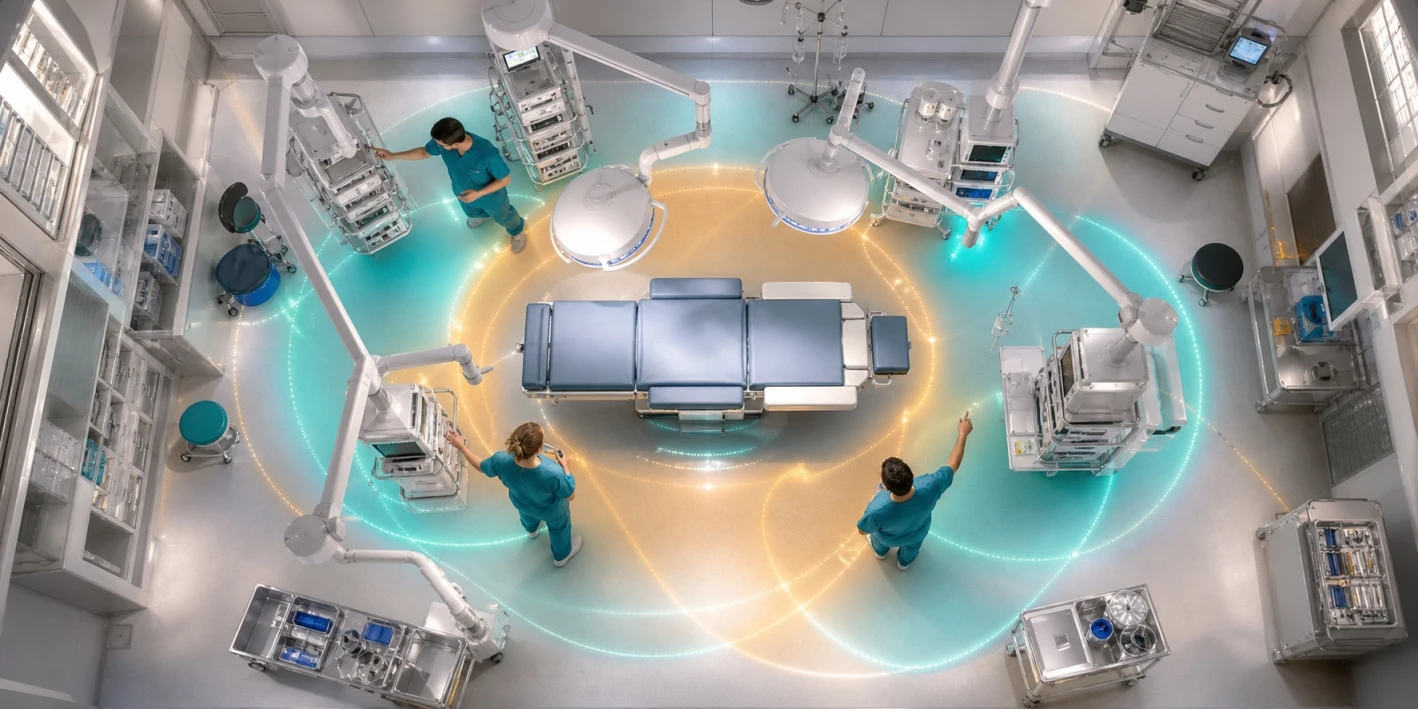

Learn how to choose a surgical light and plan a complete operating room equipment layout. This guide covers illuminance, color rendering, shadow control, mounting, operating table compatibility, ceiling pendants, imaging access, maintenance, and the practical factors hospitals should evaluate before purchasing.
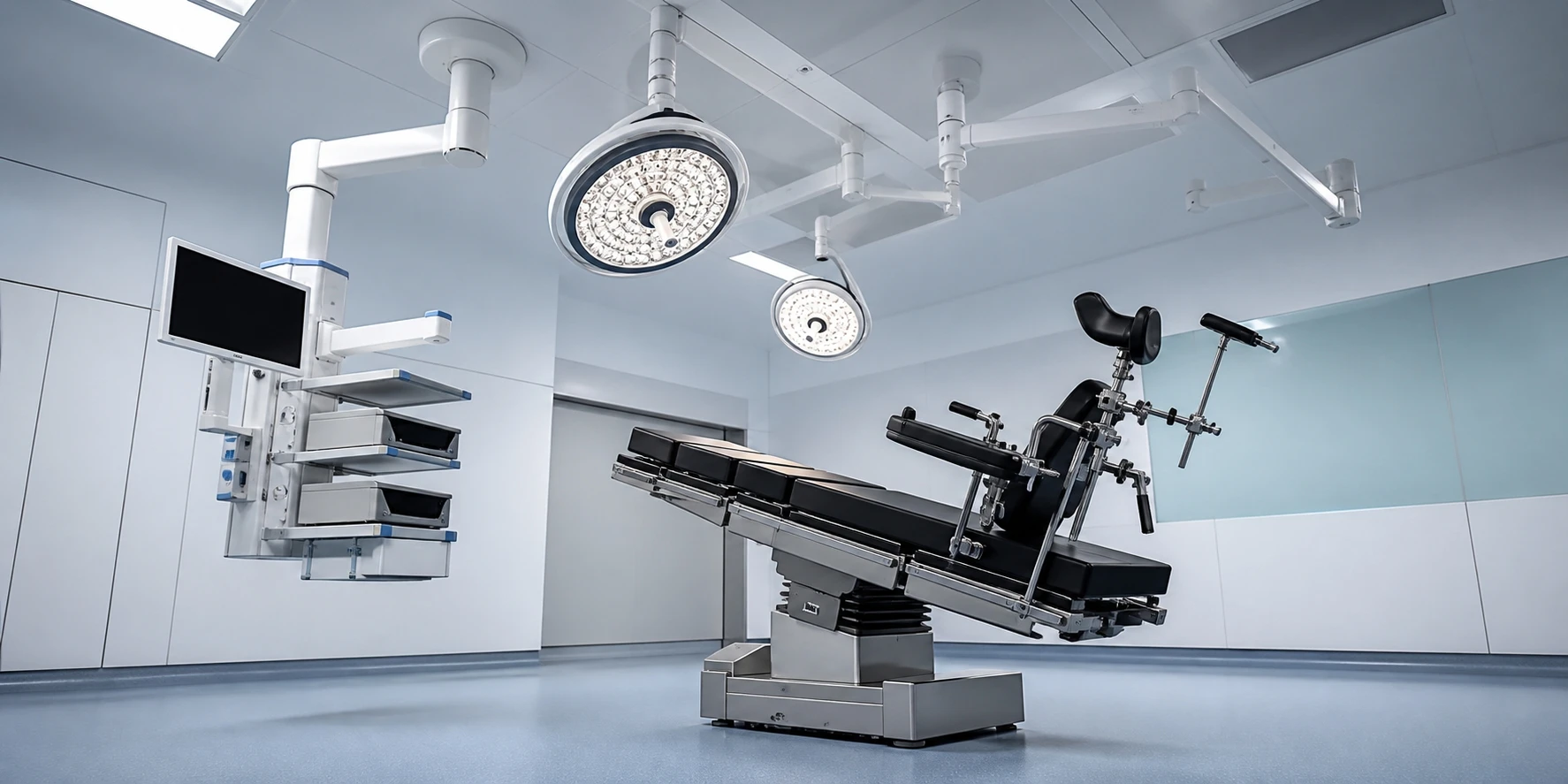
Why Surgical Lights and Supporting Equipment Must Work Together
Why Is Surgical Light Quality Essential in an Operating Room?
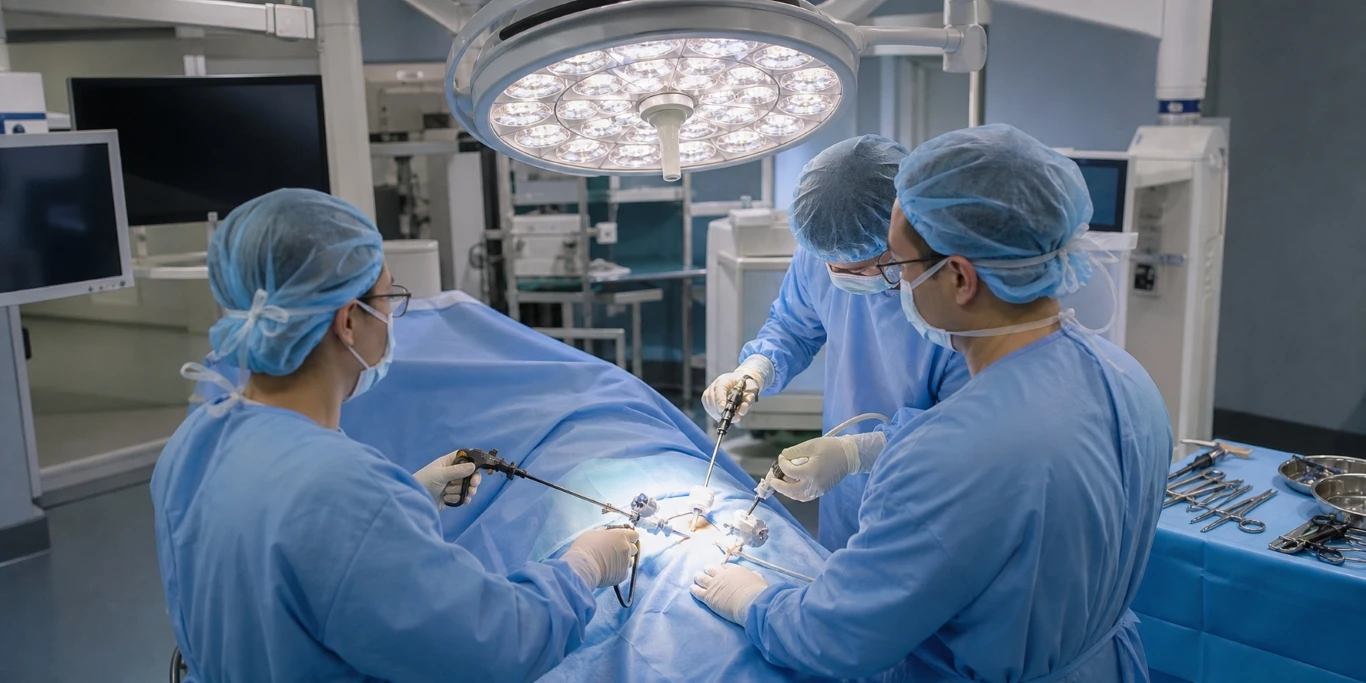
In a modern clinical environment, a professional medical surgical light is not simply a source of illumination. It is an essential part of maintaining clear visibility and supporting safe, accurate surgical procedures.
A high-quality shadowless operating light reduces shadows caused by the surgeon’s head, hands, and instruments. It also provides stable, uniform illumination across the surgical field, helping clinicians distinguish small structures and perform delicate procedures with greater precision.
Professional surgical lights should provide appropriate illuminance, color temperature, color rendering, illumination depth, and shadow dilution. Their optical and mechanical performance should also comply with applicable medical-device regulations and recognized standards for surgical luminaires.
Some imported surgical lights offer advanced optical systems, durable suspension structures, modular LED components, and convenient maintenance features. However, the country of origin should not be the only deciding factor. Product certification, technical performance, service availability, spare parts, and compatibility with existing equipment are more important considerations.
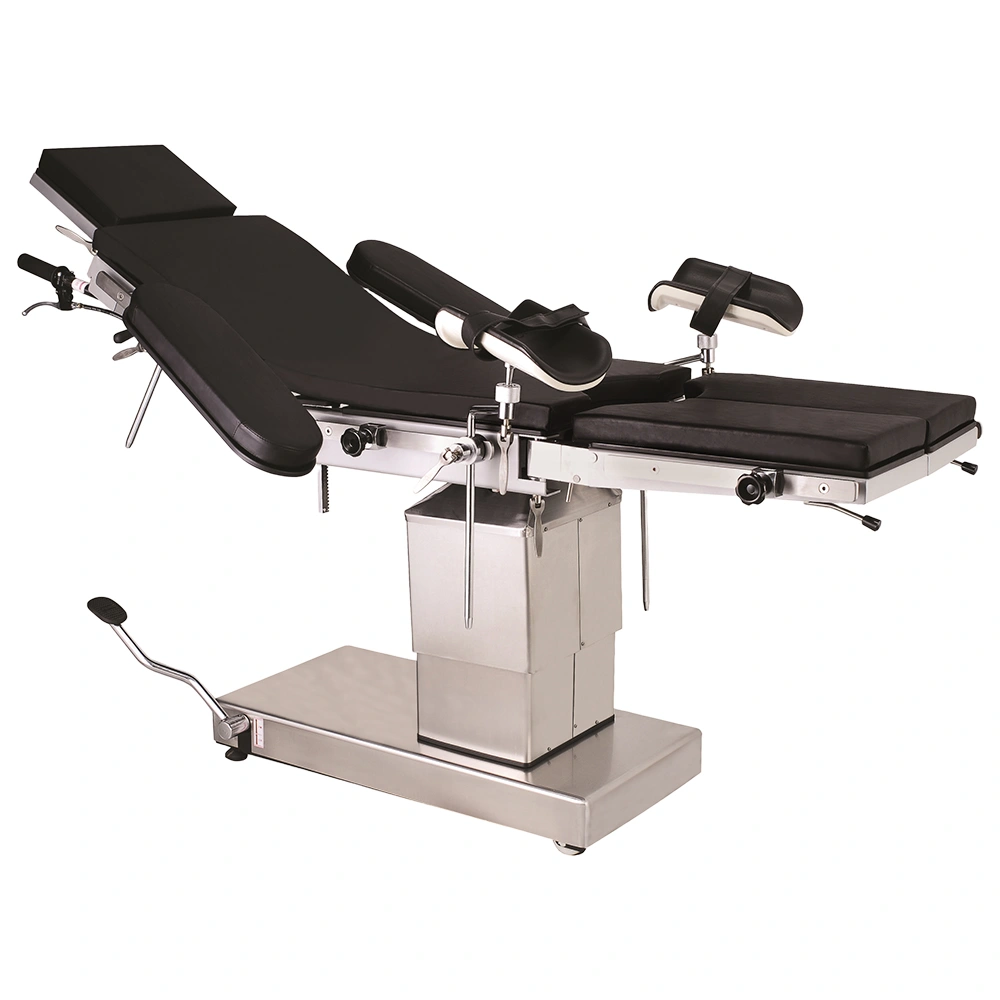
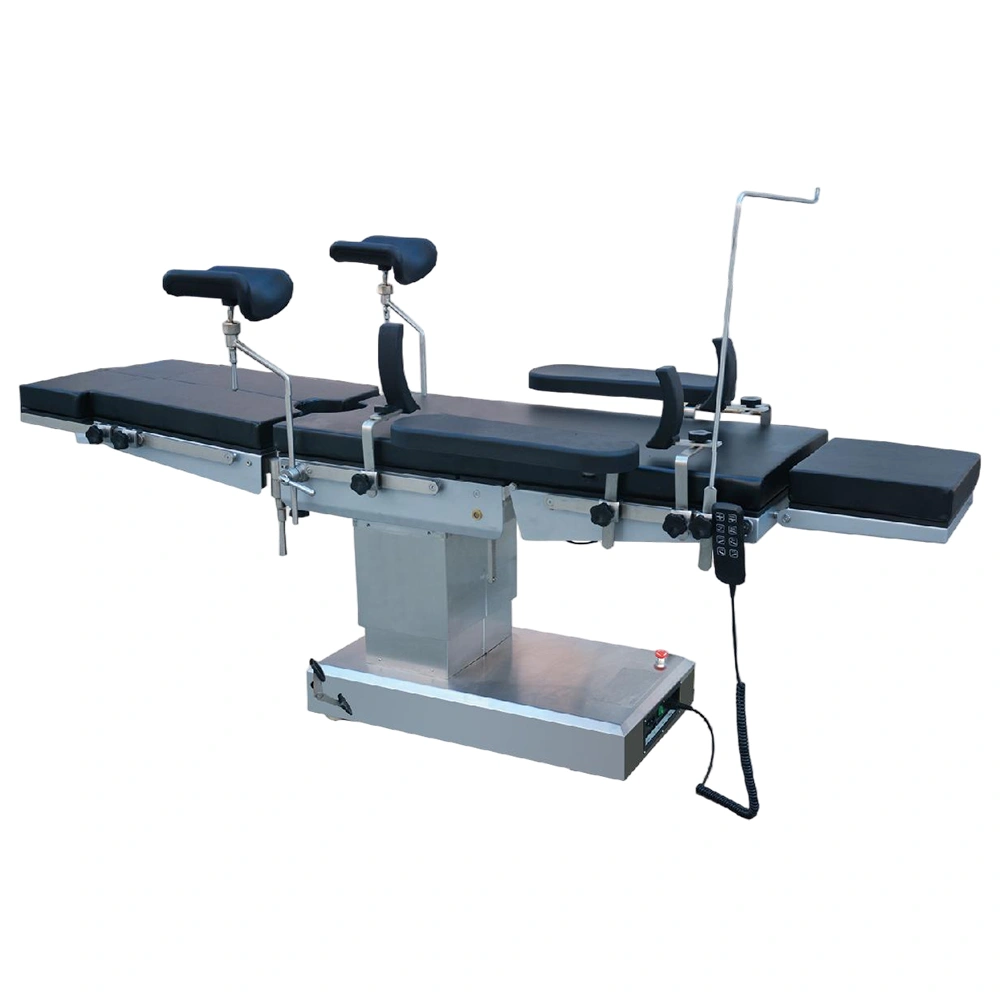
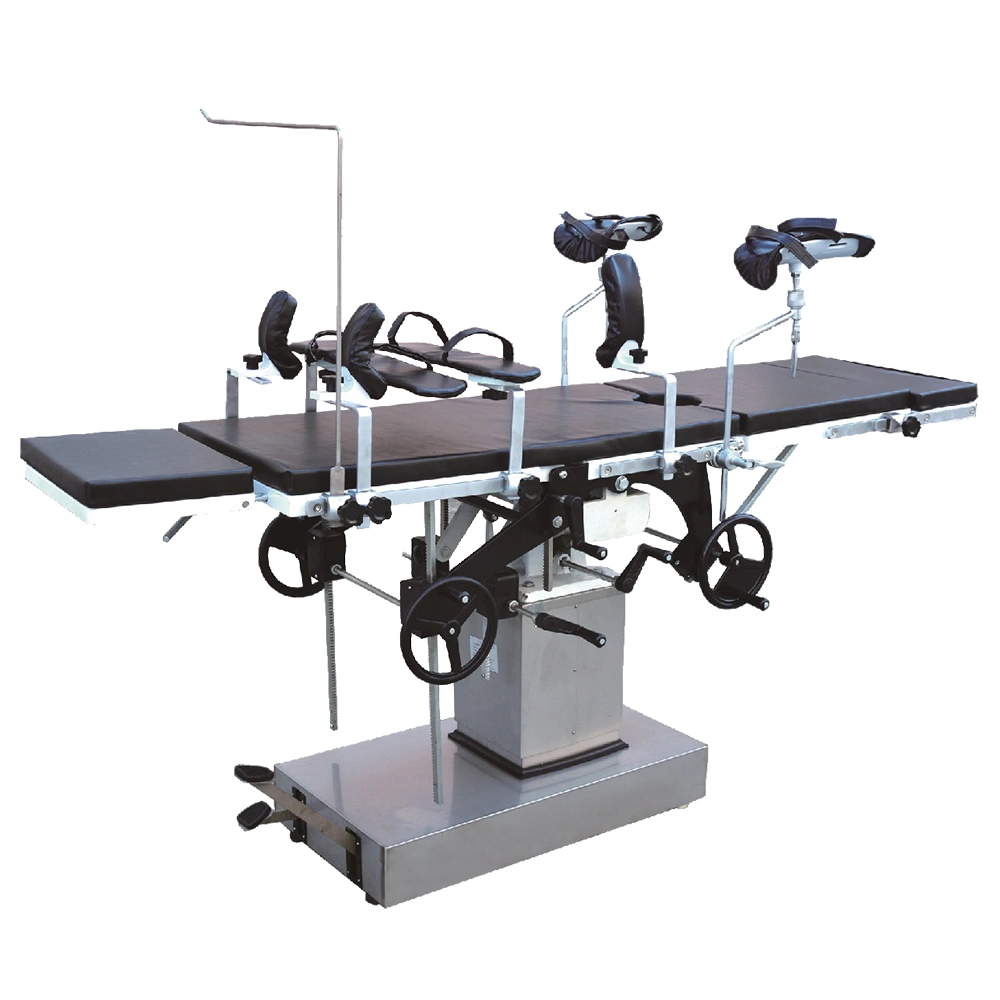
The surgical light should also work effectively with equipment such as electric multifunction operating tables, spine surgery tables, shoulder surgery positioners, and ceiling-mounted medical pendants. When these components are planned as one system, they can improve surgical access, staff comfort, and workflow efficiency.
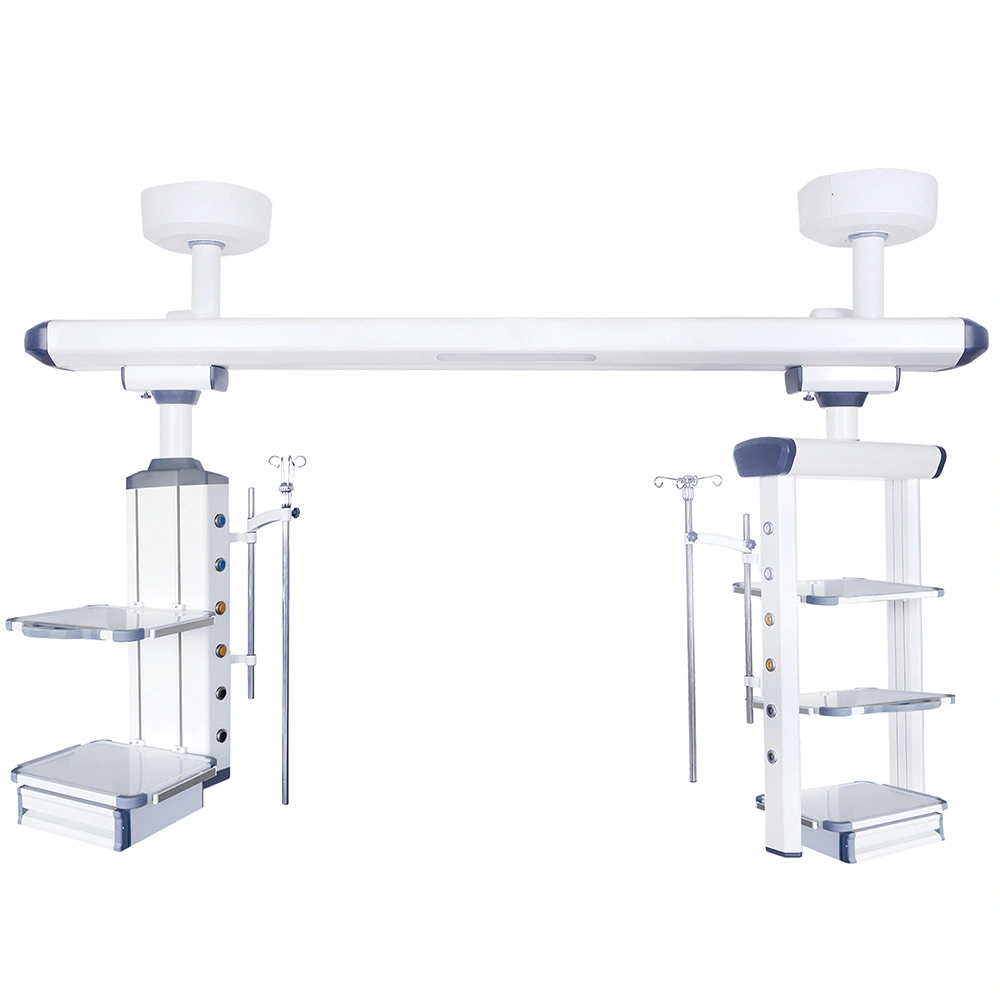
What Is the Role of a Medical Ceiling Pendant and Shoulder Surgery Positioner?
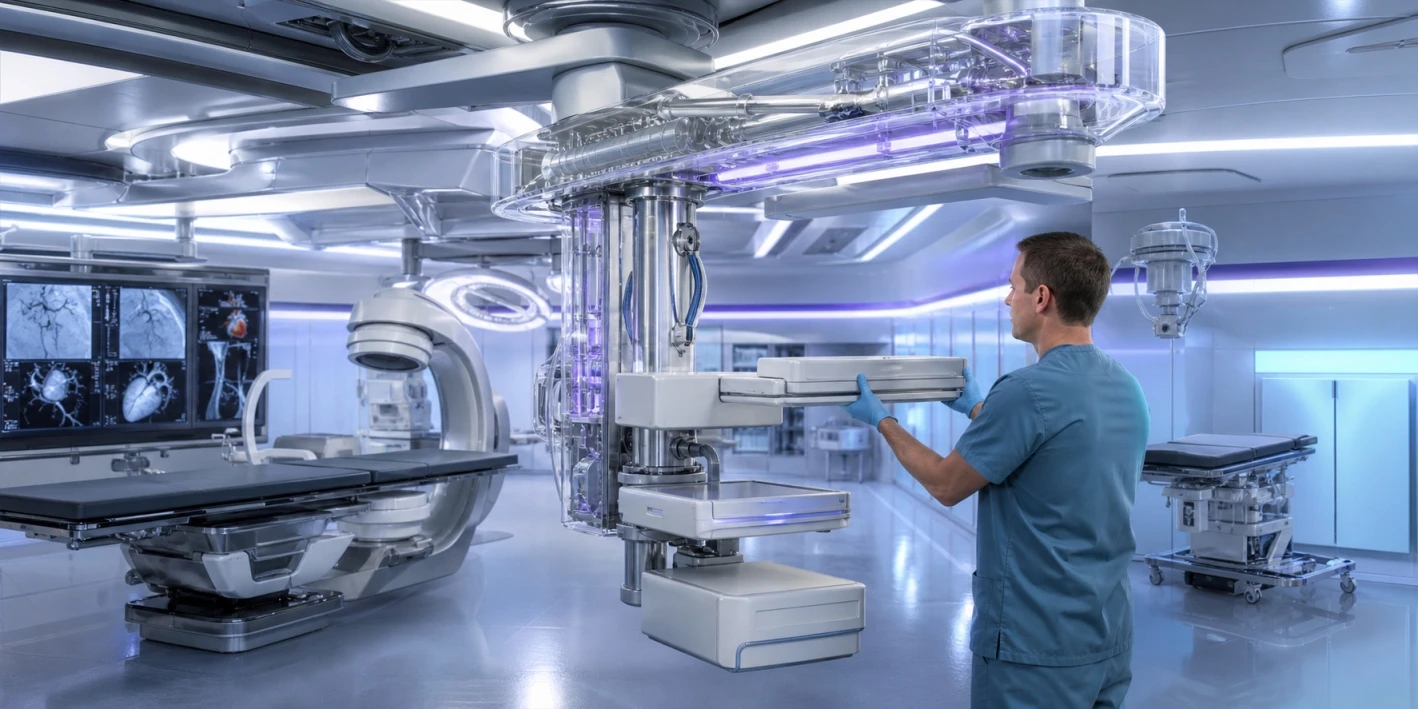
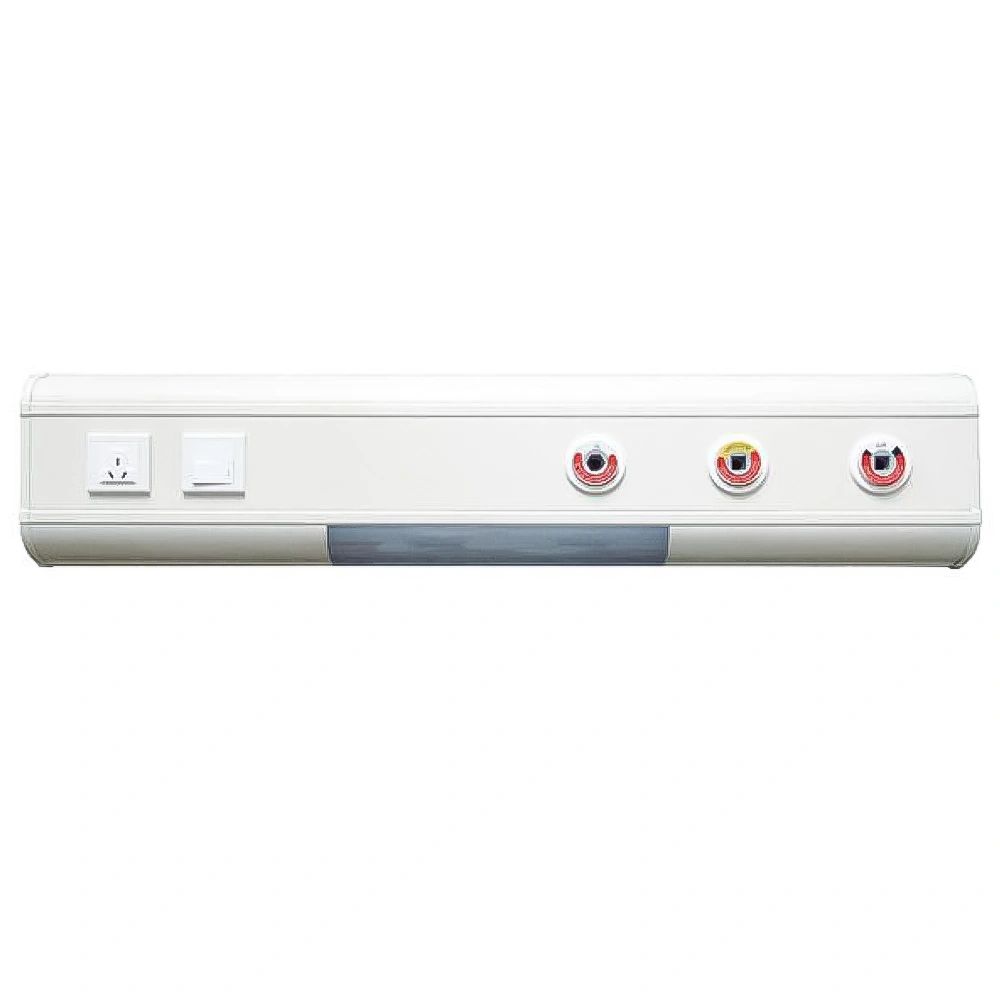
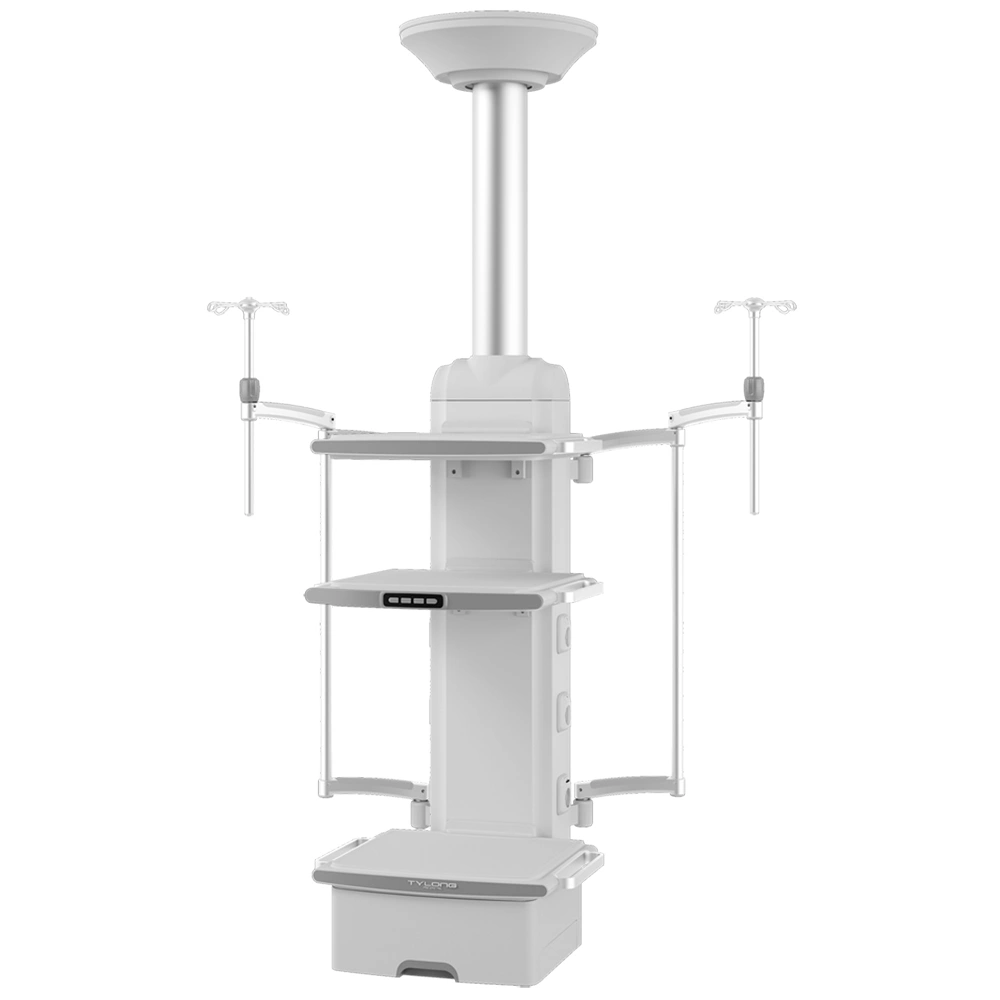
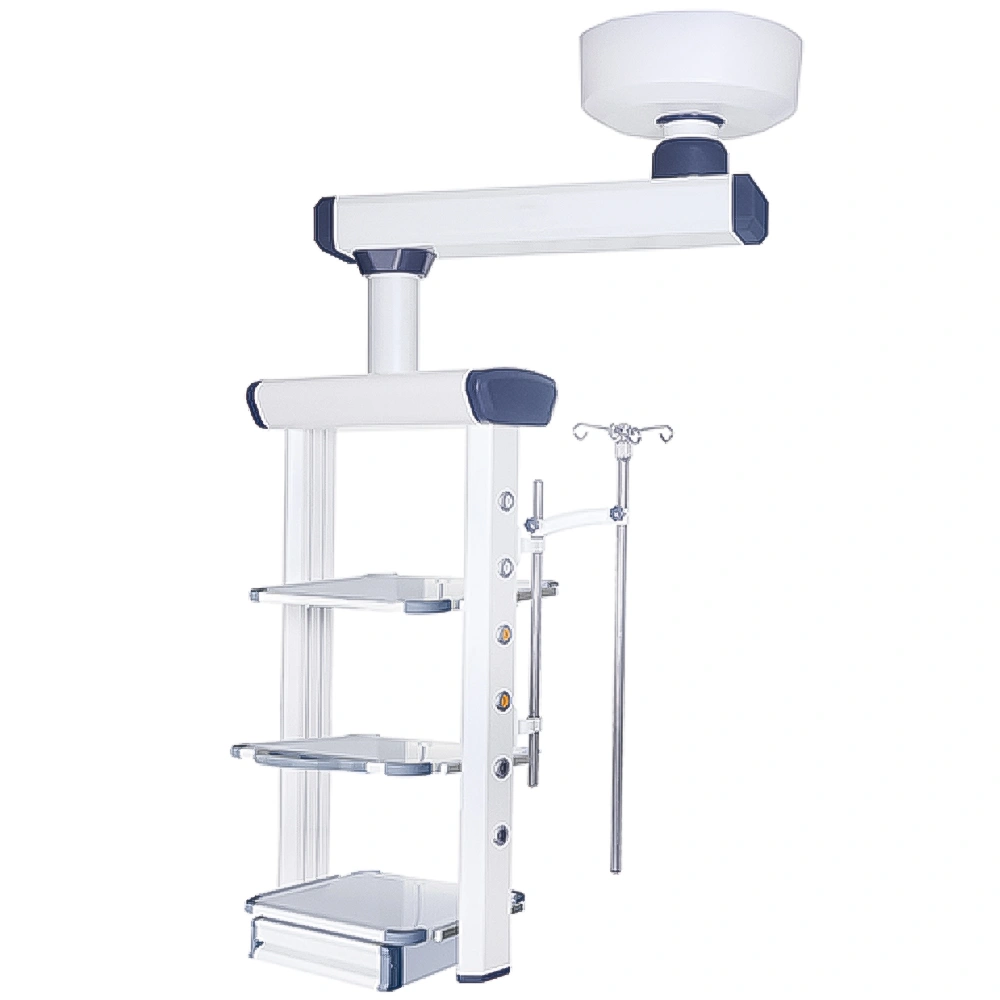
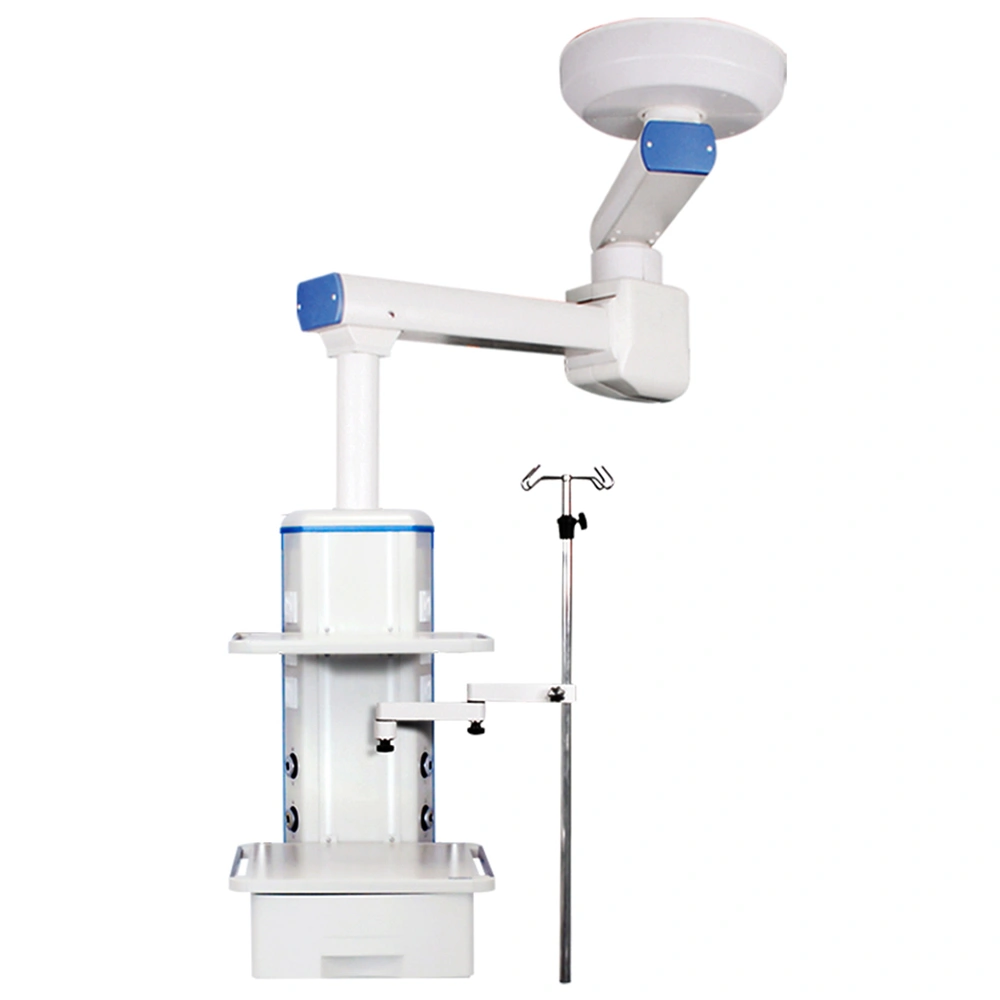
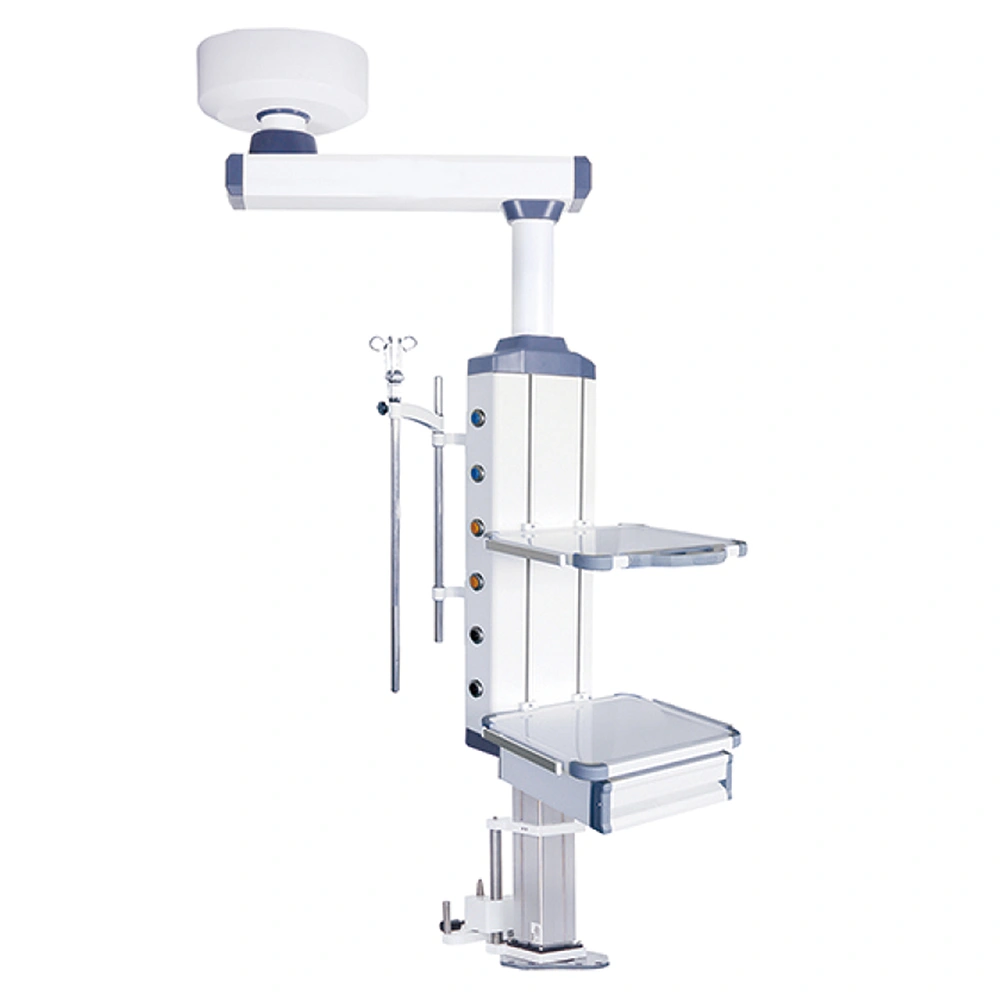
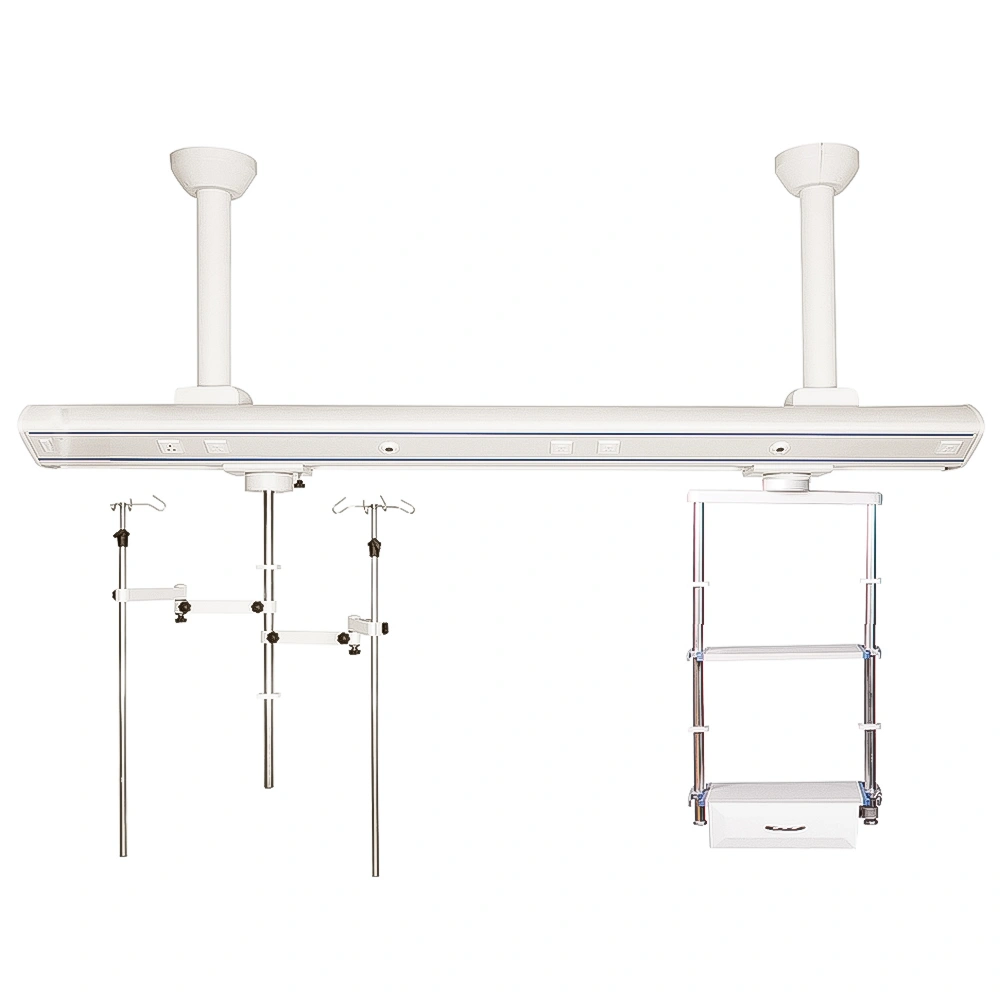
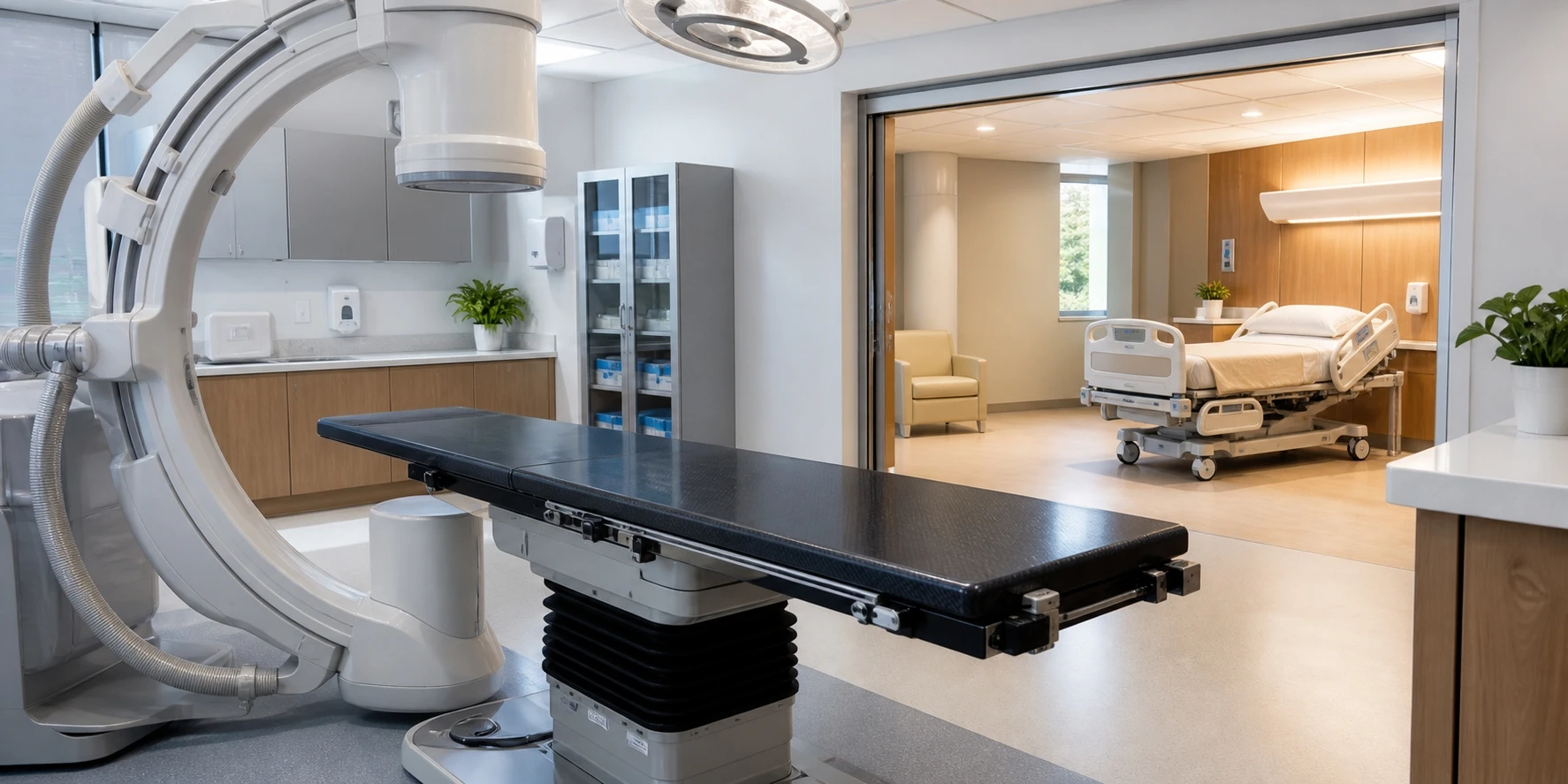
A ceiling-mounted medical pendant helps reduce floor congestion by organizing medical devices, gas outlets, electrical connections, monitors, and frequently used supplies. Its position can be adjusted according to the procedure, helping the clinical team use operating-room space more efficiently.
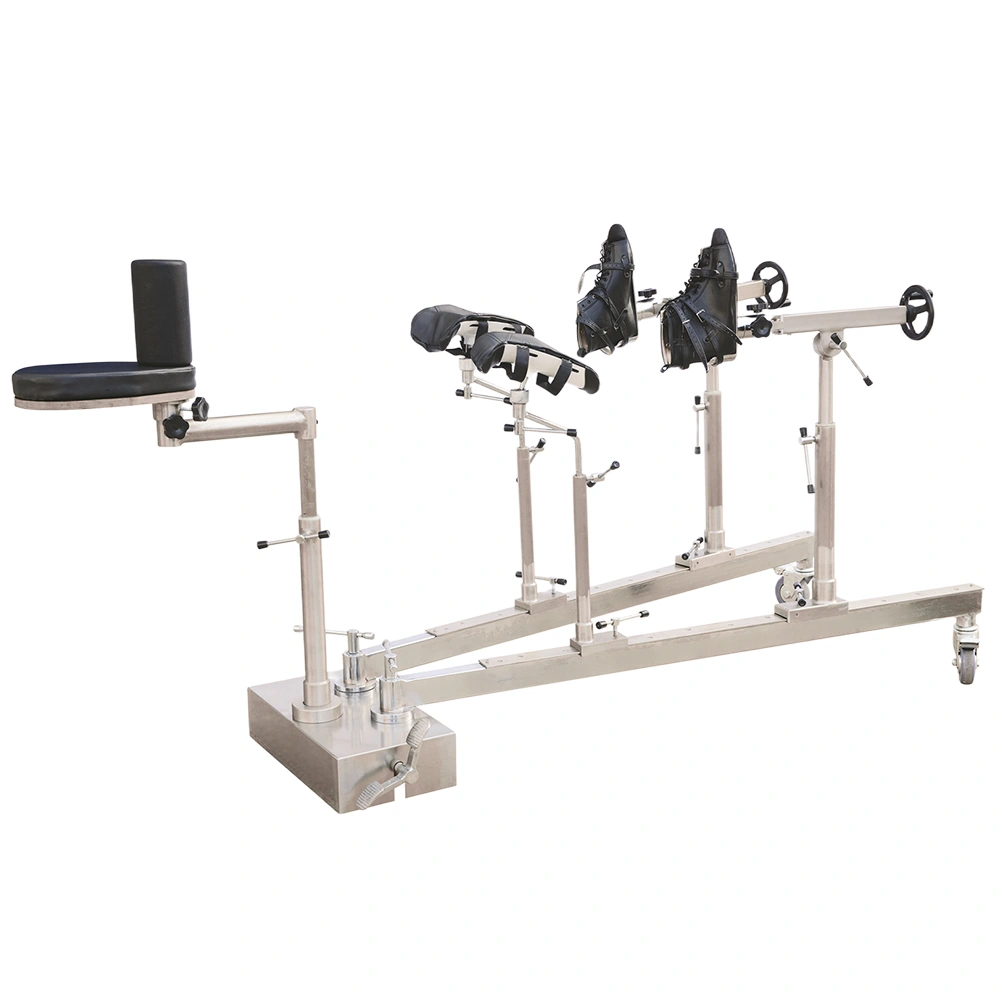
A shoulder surgery positioner or surgical frame supports the patient and stabilizes the surgical area during shoulder procedures. A strong, appropriately rated structure can improve positioning accuracy and give the surgeon more consistent access to the operative site.
These devices must be coordinated with the surgical light. Pendant arms, monitors, equipment shelves, and positioning accessories should not obstruct the light path or interfere with the movement of the lamp heads.
Compatibility is particularly important when a surgical light, medical pendant, and shoulder surgery positioner share the same ceiling area. The suspension arms should move freely without colliding, and clinicians should be able to reposition each device without disrupting the procedure.
For complex operations, including spinal surgery, the selected operating table and professional surgical light should provide sufficient working clearance, stable positioning, effective illumination depth, and comfortable access for the surgical team.

How Do Long-Term Care Beds and Radiolucent Tables Support Medical Care?
Long-term care beds and radiolucent operating tables serve different purposes, but both can influence the quality of patient care.
A long-term care bed focuses on comfort, accessibility, pressure management, and convenient adjustment for patients with limited mobility. It can help caregivers reposition patients more safely while reducing the physical effort required for daily care.
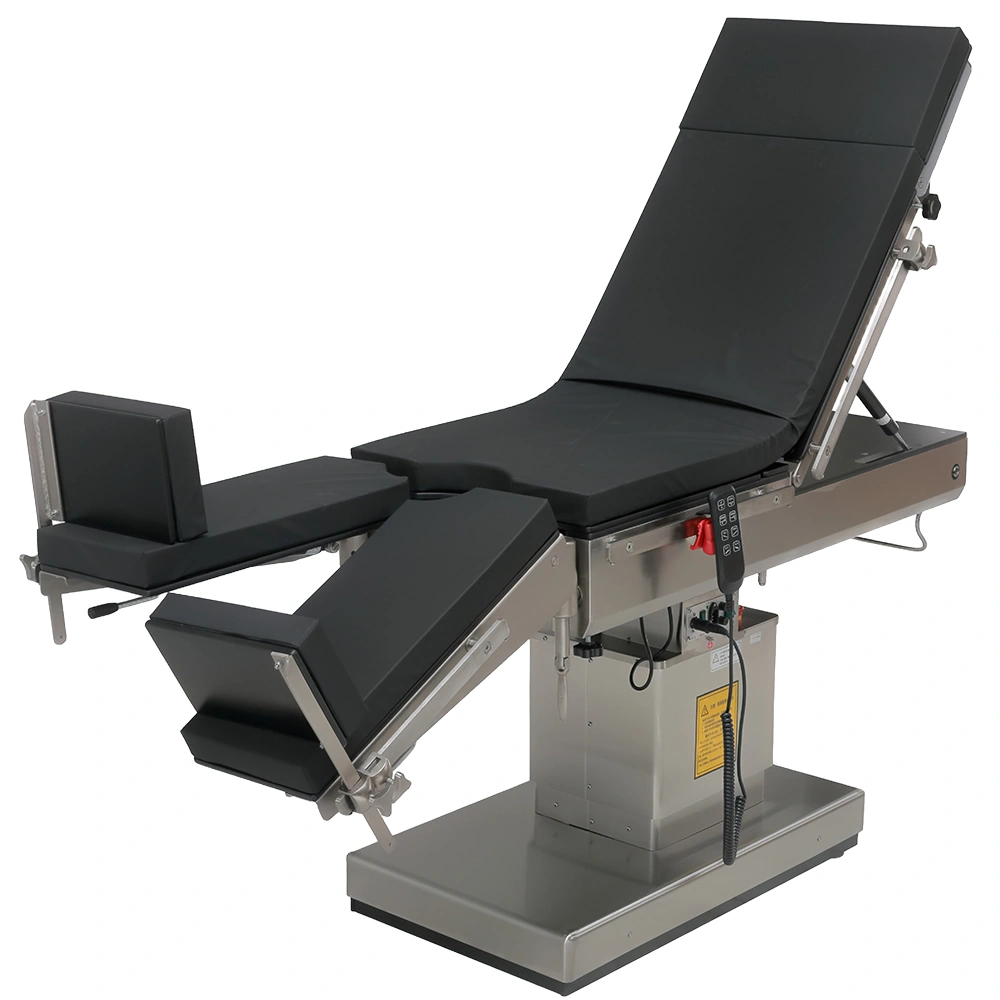
A radiolucent operating table is designed to minimize interference with X-ray, fluoroscopic, or three-dimensional imaging. Radiolucency refers to the transmission of medical imaging radiation rather than visible light. This type of table can expand imaging access and reduce the need to move the patient during image-guided procedures.
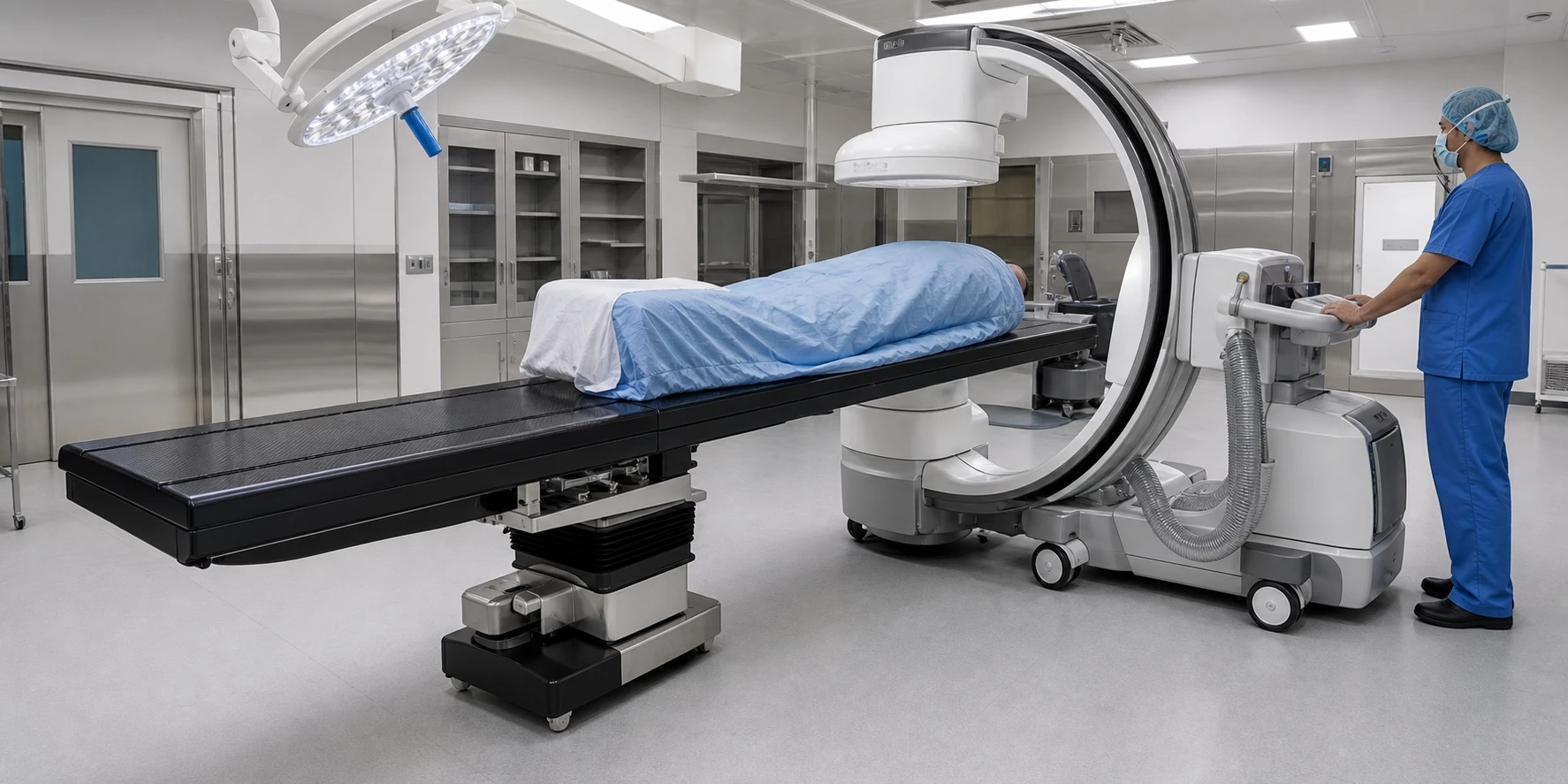
When radiolucent tables are combined with a well-positioned surgical light, clinicians can maintain clear surface illumination while preserving access for C-arms and other imaging systems.
Appropriate equipment placement can also reduce unnecessary patient transfers, improve nursing efficiency, and minimize visual fatigue among clinical staff. Hospitals should therefore evaluate surgical lights, operating tables, imaging equipment, and care beds according to both patient needs and the clinical team’s workflow.
From the operating room to postoperative and long-term care, coordinated equipment planning helps improve safety, efficiency, and patient comfort.
How to Evaluate and Select a Surgical Light and Related Equipment
Which Indicators Help Determine Surgical Light Quality?
The first factors to evaluate are illumination uniformity, central illuminance, color temperature, color rendering, illumination depth, and shadow dilution. A professional surgical light should provide multiple brightness settings so that the clinical team can adapt the light to different procedures.
Heat and irradiance must also be considered. A surgical light should support prolonged operation without causing excessive heat around the surgeon’s head or the surgical field.
Durability and maintenance convenience are equally important. Modern LED surgical lights often provide long operating lives, modular components, and easier servicing. Before purchasing, confirm whether LED modules, power supplies, handles, control panels, and suspension components can be replaced without excessive downtime.
The lamp head should move smoothly and remain stable after positioning. Suspension drift, brake performance, rotation limits, vibration resistance, and collision risks should be evaluated during a physical demonstration whenever possible.
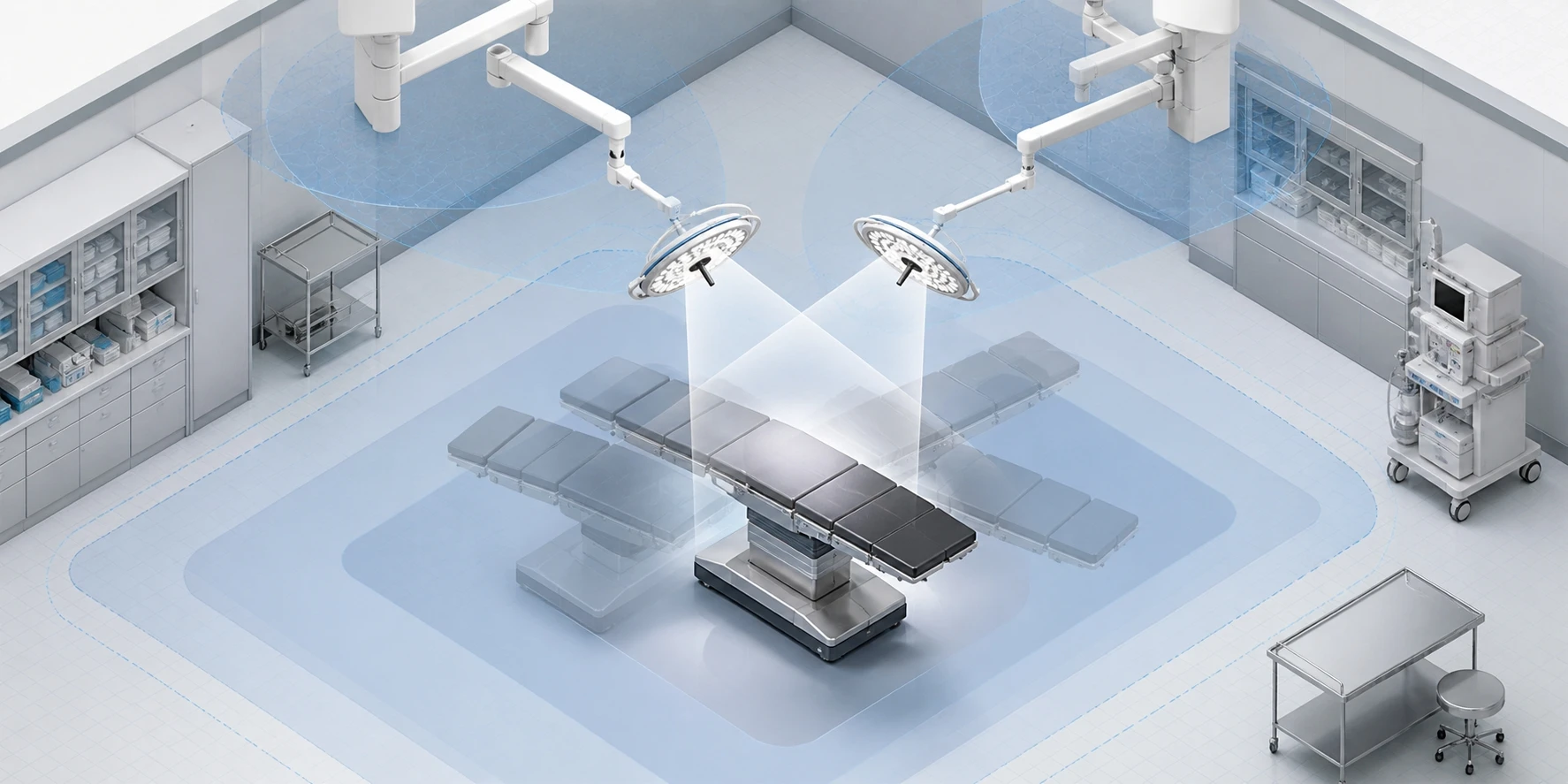
Compatibility with ceiling pendants, shoulder surgery positioners, cameras, monitors, and other accessories can directly affect operating-room convenience and safety. A technically advanced light may still be unsuitable if it cannot move freely within the existing room layout.
How Can an Operating Table and Surgical Light Be Matched Effectively?
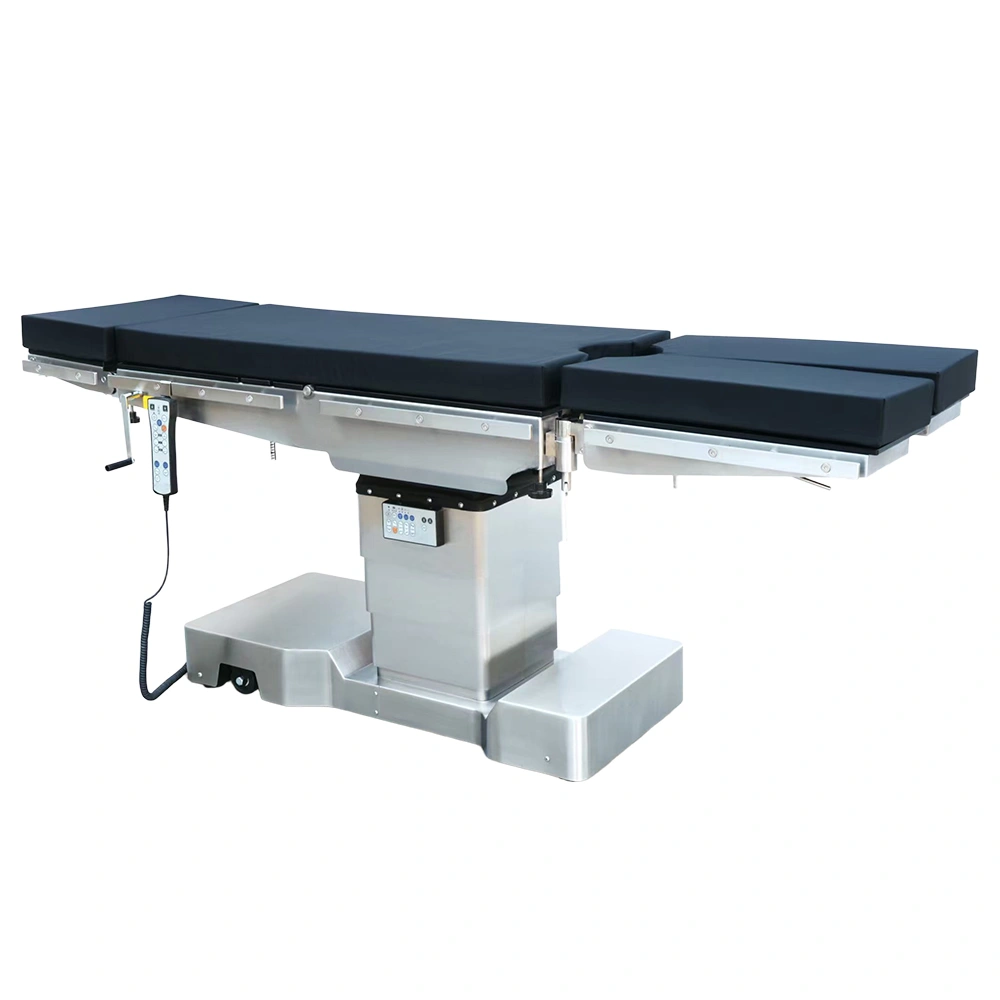
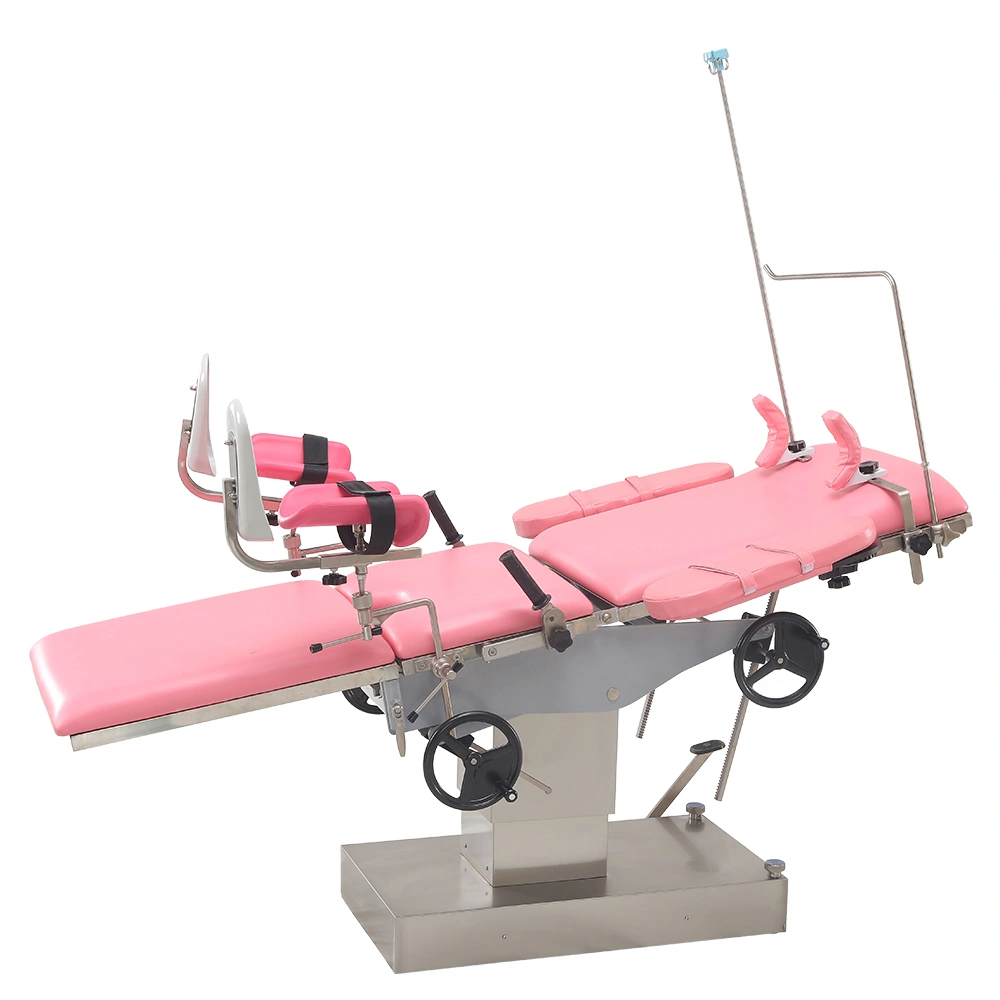
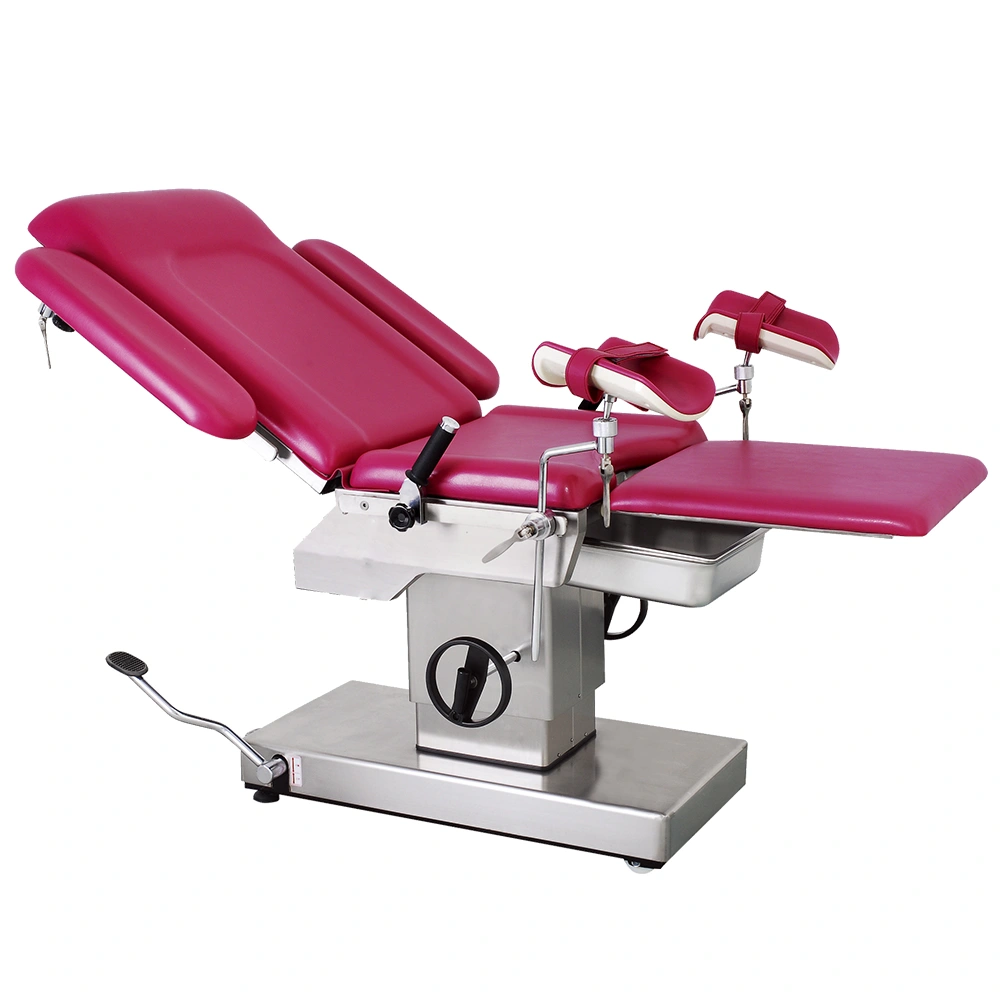
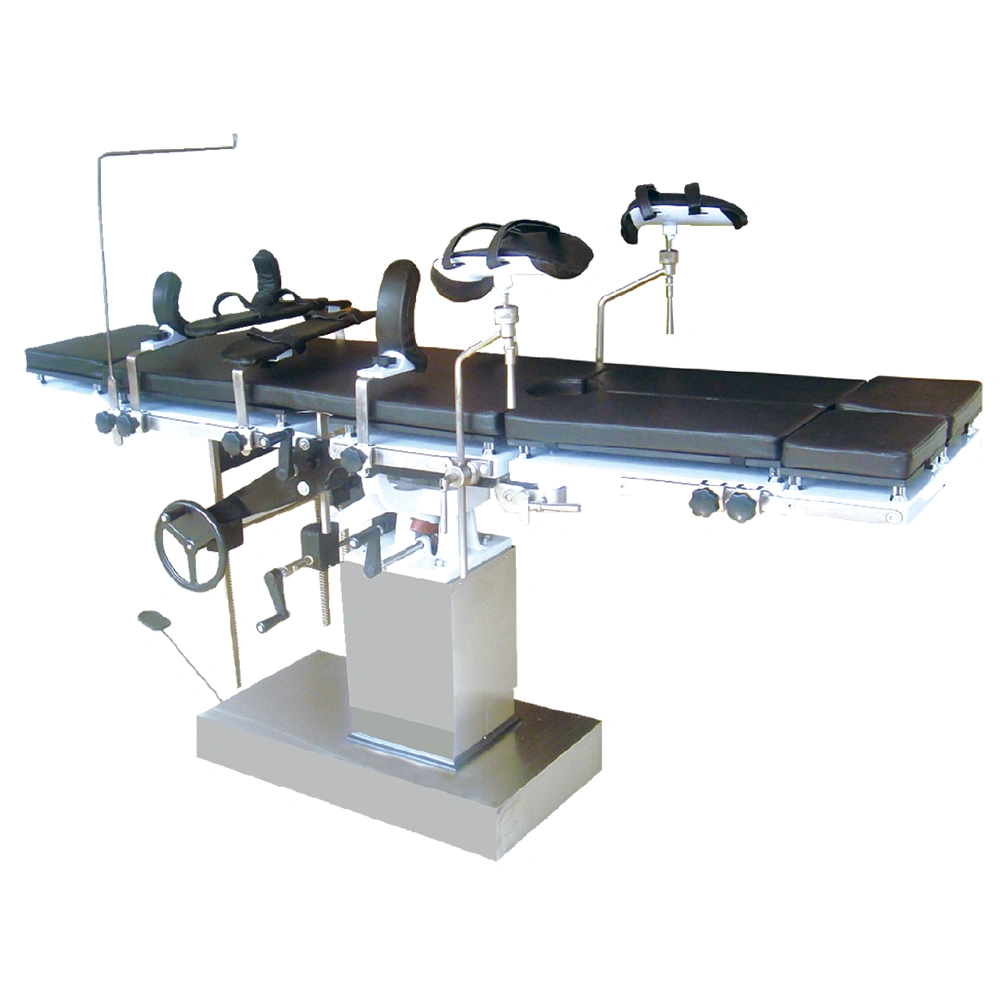
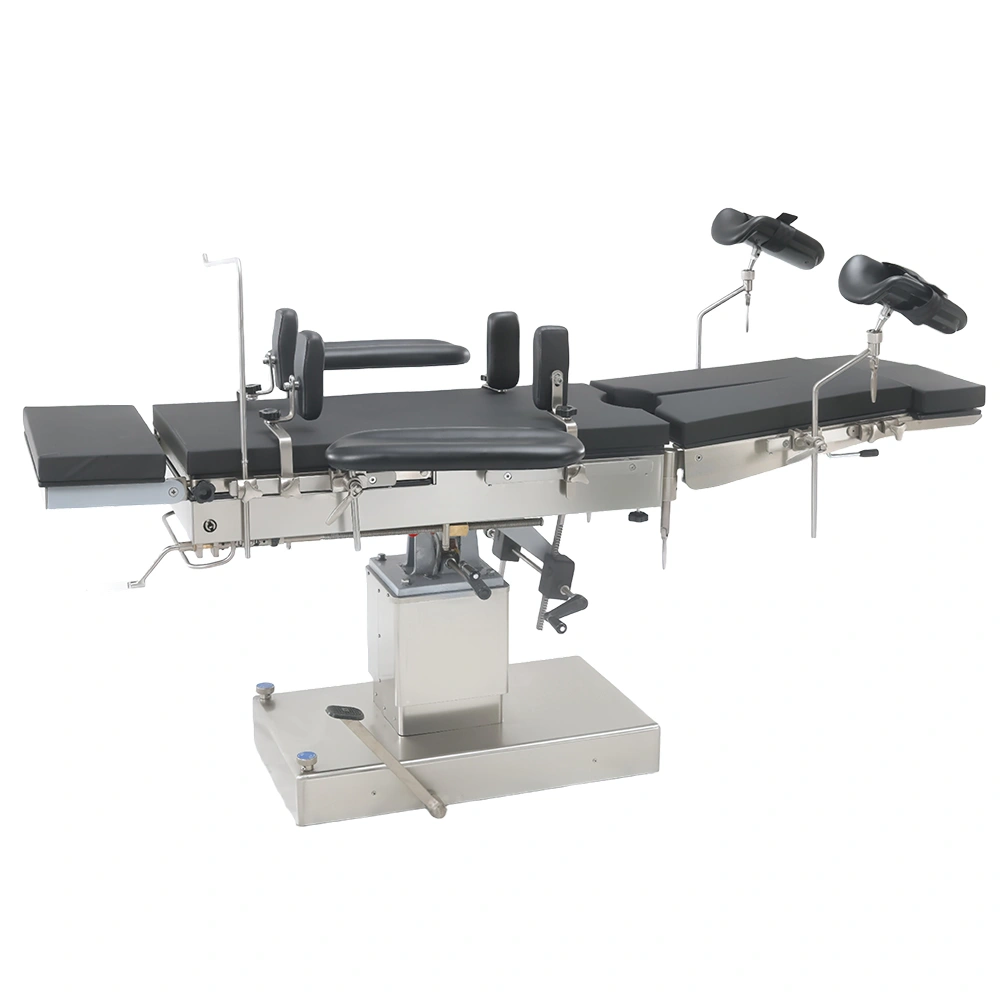
An operating table should provide appropriate positioning options while maintaining patient comfort and stability. Electric multifunction operating tables are often selected because they allow clinicians to adjust height, tilt, orientation, and individual tabletop sections.
When combined with a professional surgical light, an adjustable table can help the clinical team maintain an effective relationship between the patient, surgical field, and light source.
Spinal procedures may require a dedicated spine surgery table or specialized tabletop. These systems are designed to support specific anatomical areas while providing access for the surgical team and, where required, intraoperative imaging equipment.
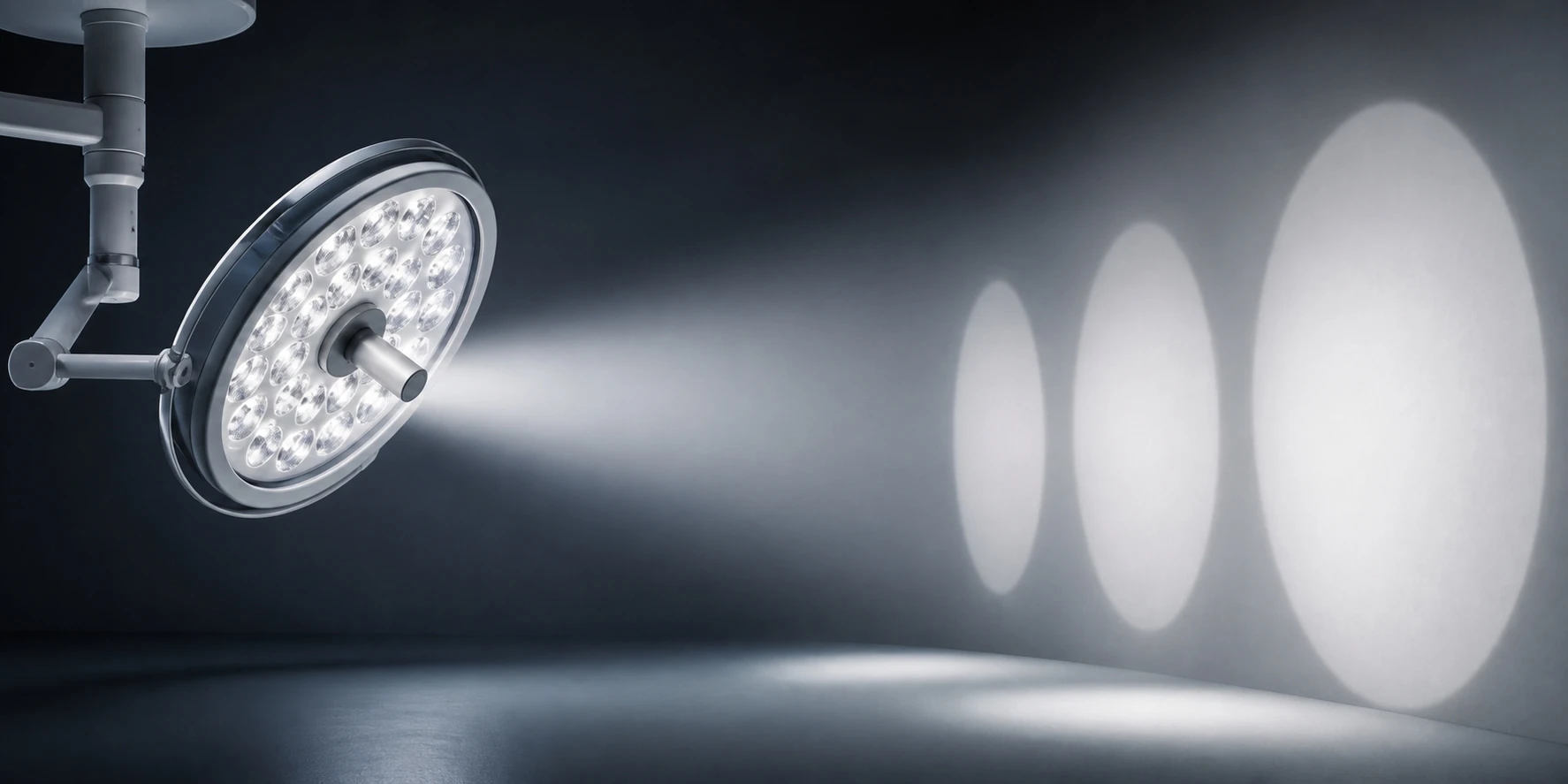
The surgical light must provide uniform coverage and sufficient illumination depth across the required working area. Light-field diameter, shadow control, and lamp-head positioning should be tested using the operating positions expected in actual procedures.
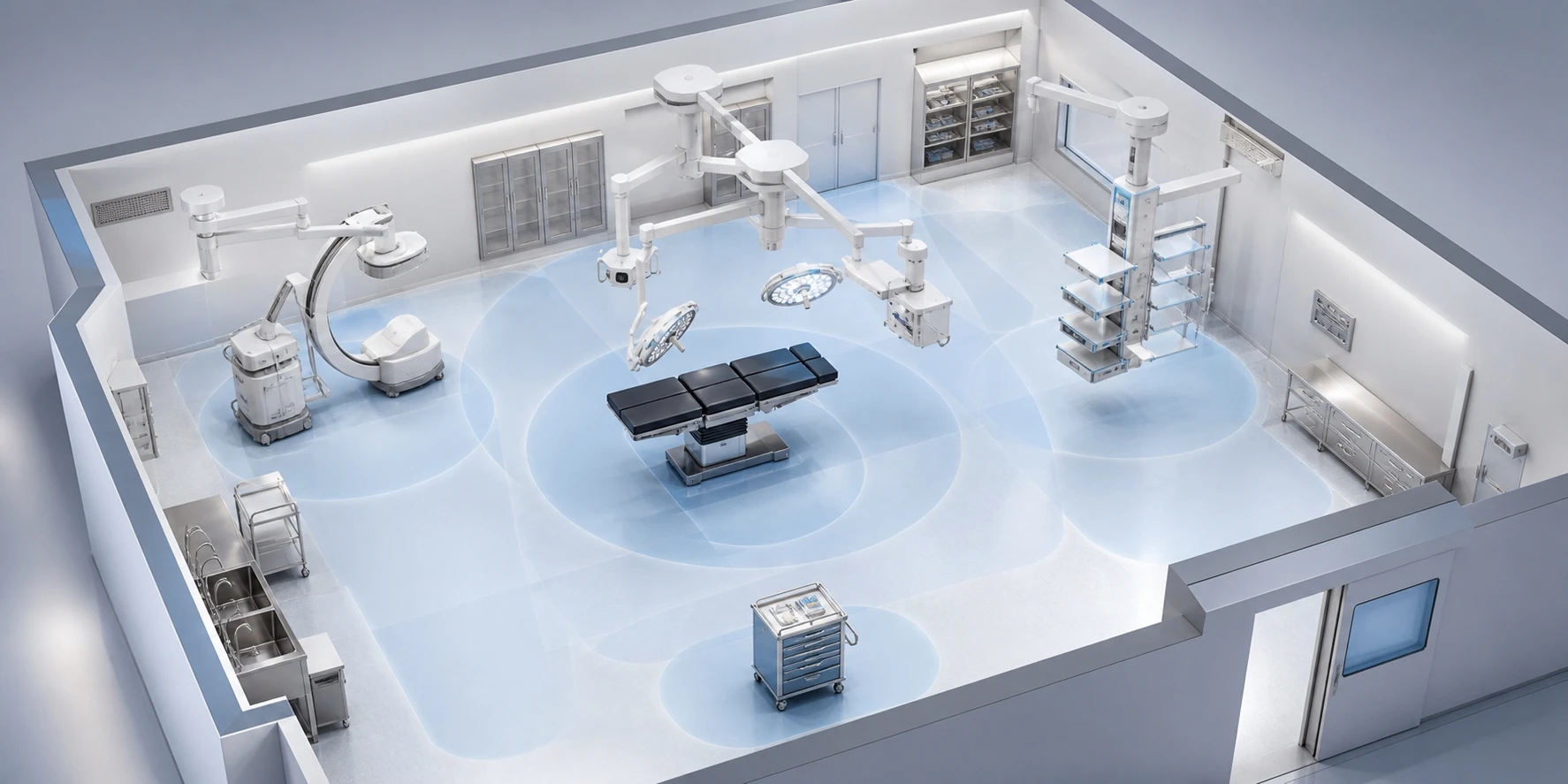
Room compatibility must also be assessed. Ceiling-mounted medical pendants can integrate multiple functions and reduce floor congestion, but their arms must not collide with the surgical light or restrict its movement.
Before installation, the facility should review ceiling height, structural support, equipment rotation zones, electrical requirements, medical-gas locations, ventilation outlets, and the intended positions of the operating table and imaging systems.
Which Surgical Light Specifications Should Be Compared?
Important surgical light specifications include:
- Central illuminance, measured in lux
- Dimming range
- Color temperature, measured in kelvin
- General color rendering index
- Red color rendering performance
- Light-field diameter
- Illumination depth
- Shadow dilution
- Irradiance and heat management
- Lamp-head movement and suspension stability
- LED operating life
- Sterilizable handle design
- Backup power compatibility
- Camera and control-system options
- Cleaning and infection-control features
Many surgical lights can provide central illuminance above 100,000 lux, while some models offer adjustable output up to approximately 160,000 lux. Maximum brightness alone does not determine overall quality. Uniformity, shadow performance, illumination depth, heat output, and control accuracy are equally important.
A frequently cited comparison range for color temperature is approximately 4,000 to 6,500 K. However, current surgical light systems may offer adjustable settings beginning at approximately 3,200 K and extending to around 5,600 K. The appropriate range depends on clinical preference and the intended procedure.
A general color rendering index above 90 is commonly used as a purchasing benchmark. Higher-performance systems may provide values in the upper 90s. Red color rendering should also be reviewed because accurate differentiation of tissue and blood can be important during surgery.
The light head should rotate and reposition smoothly. Where the mounting system allows, wide rotational movement can make it easier to approach the surgical field from different directions. The focus or light-field diameter should also be adjustable without disturbing the sterile field.
Specifications should be evaluated under the same measurement conditions. Facilities should request technical documentation showing compliance with applicable requirements for the safety and essential performance of surgical luminaires.
How Radiolucent Tables and Long-Term Care Beds Improve Care
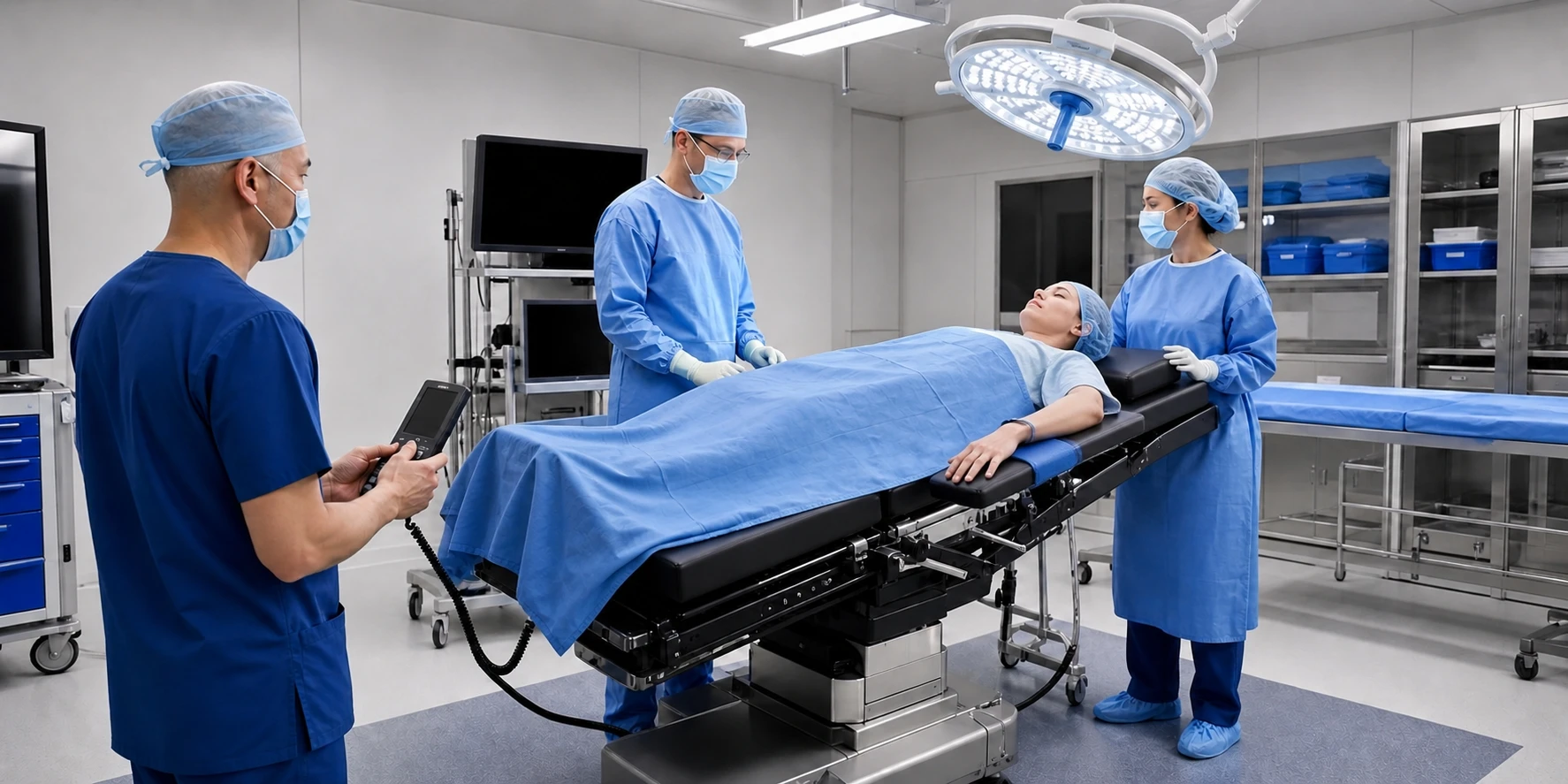
What Is the Value of a Radiolucent Table in Surgery?
A radiolucent surgical table is designed to support intraoperative X-ray, fluoroscopic, or three-dimensional imaging with minimal obstruction from the tabletop structure.
This is particularly useful in orthopedic, spinal, trauma, vascular, and image-guided procedures. A large radiolucent area can allow the imaging system to access more of the patient’s body without repeated repositioning.
When used with a professional medical surgical light, the light should illuminate the external surgical field without obstructing the movement of the C-arm or other imaging equipment. The table, surgical light, ceiling pendant, and imaging system should therefore be evaluated together.
Reducing unnecessary patient movement can improve workflow and lower the risks associated with repeated repositioning. The table must still provide appropriate load capacity, stability, pressure management, and compatibility with the accessories required for each procedure.
Outside the operating room, adjustable treatment surfaces and care beds can provide additional flexibility for postoperative care, bedside procedures, and rehabilitation. Equipment should always be selected according to its intended clinical environment.
How Can a Long-Term Care Bed Support Both Treatment and Daily Care?
The primary purpose of a long-term care bed is to improve quality of life and make daily care easier for patients with limited mobility.
Important features may include electric height adjustment, adjustable back and leg sections, safe side rails, braking systems, pressure-reducing surfaces, caregiver controls, and emergency positioning functions.
In treatment or high-dependency care areas, appropriate medical lighting can help caregivers perform examinations, dressing changes, and other bedside tasks more efficiently. A full operating-room surgical light may not always be necessary, so the type of procedure and clinical environment should determine the lighting solution.
Electric multifunction beds can accommodate different physical conditions and nursing requirements. Their structure should be durable, easy to clean, and equipped with appropriate safety features to reduce the risk of falls, entrapment, unintended movement, or cable damage.
Combining suitable lighting with long-term care beds and radiolucent surgical tables is not simply a matter of adding equipment. It is part of designing a complete care workflow around patient safety, staff access, and clinical efficiency.
How Does the Right Operating Table Improve Surgical and Nursing Workflows?
When selecting an operating table, medical facilities should consider more than basic tabletop adjustments. The table must also be compatible with surgical lights, medical pendants, imaging systems, and positioning accessories.
Electric multifunction operating tables and dedicated spine surgery tables provide different positioning capabilities for different procedures. The right configuration allows clinicians to adjust the patient’s position while maintaining stability and access to the surgical site.
An effective operating-table setup can improve the surgeon’s viewing angle and working posture. It may also reduce the need to turn or reposition the patient during the procedure.
When supported by a properly positioned shadowless operating light, the surgical field can remain evenly illuminated throughout changes in table height, tilt, or orientation.
Applying selected ergonomic concepts from long-term care beds to surgical and recovery equipment may also improve patient comfort and make transitions between treatment stages more efficient.
Purchasing, Operation, and Maintenance Recommendations
Why Is Complete Equipment Planning Important?
A professional medical surgical light does not operate in isolation. Its effectiveness depends on how well it works with the operating table, ceiling pendant, shoulder surgery positioner, imaging system, and other accessories.
Ignoring any part of this equipment network can affect surgical access, workflow efficiency, and safety. Purchasing decisions should therefore be based on the operating-room system as a whole rather than on the specifications of one device.
Medical and management teams should evaluate equipment compatibility, installation requirements, maintenance schedules, spare-parts availability, technical support, and long-term operating costs.
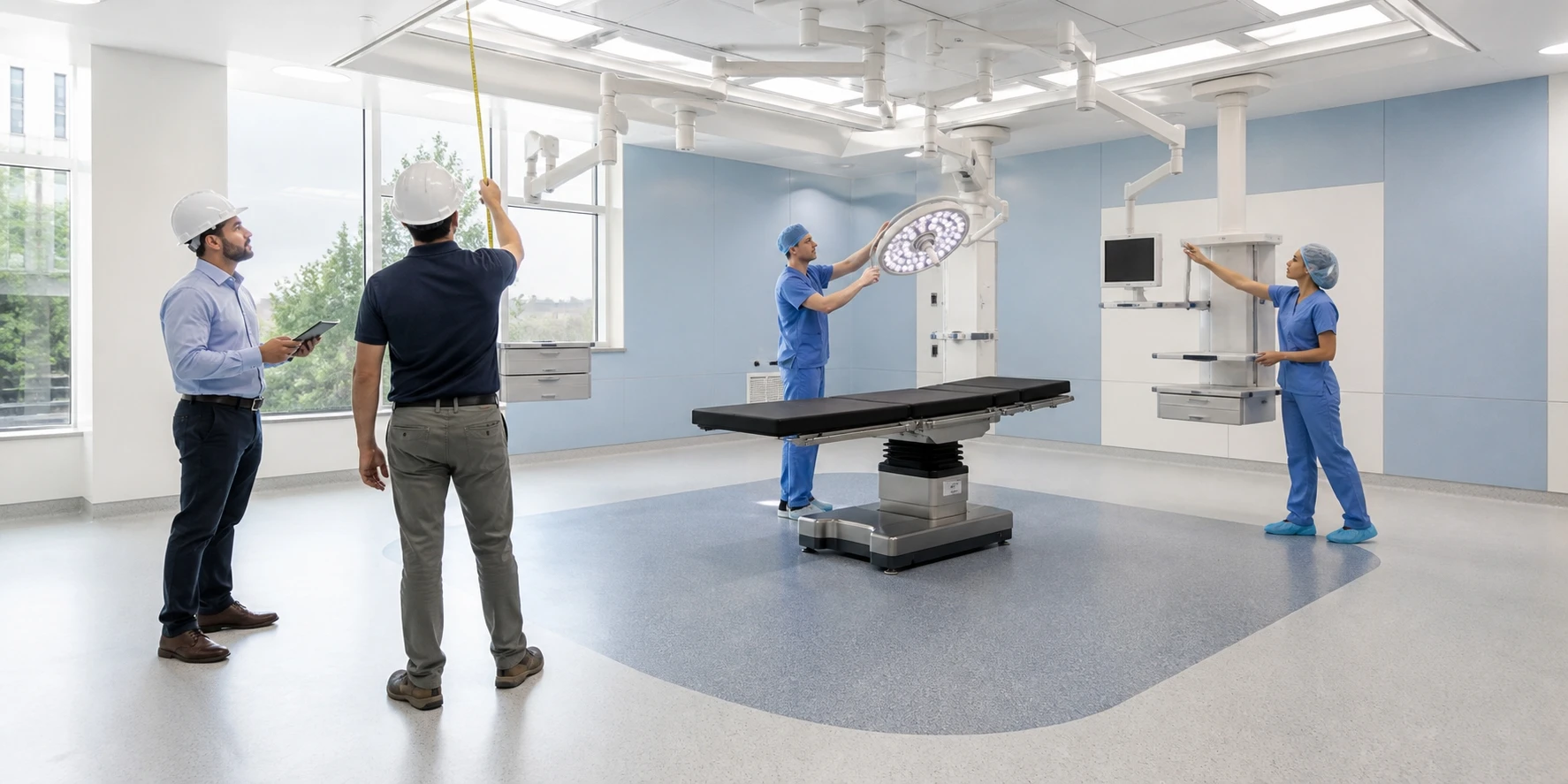
A site survey and equipment-layout review can identify potential suspension-arm collisions, insufficient ceiling support, restricted working clearance, or conflicts with ventilation and imaging equipment before installation begins.
Which Daily Operating Details Require Attention?
Regular cleaning of the lamp head, cover, handles, and exterior surfaces helps maintain light output and infection-control performance. Only cleaning agents approved by the equipment manufacturer should be used.
Low-quality or incompatible LED modules, bulbs, batteries, and replacement components may reduce performance or damage the equipment. Consumable and replacement parts should meet the required medical and technical specifications.
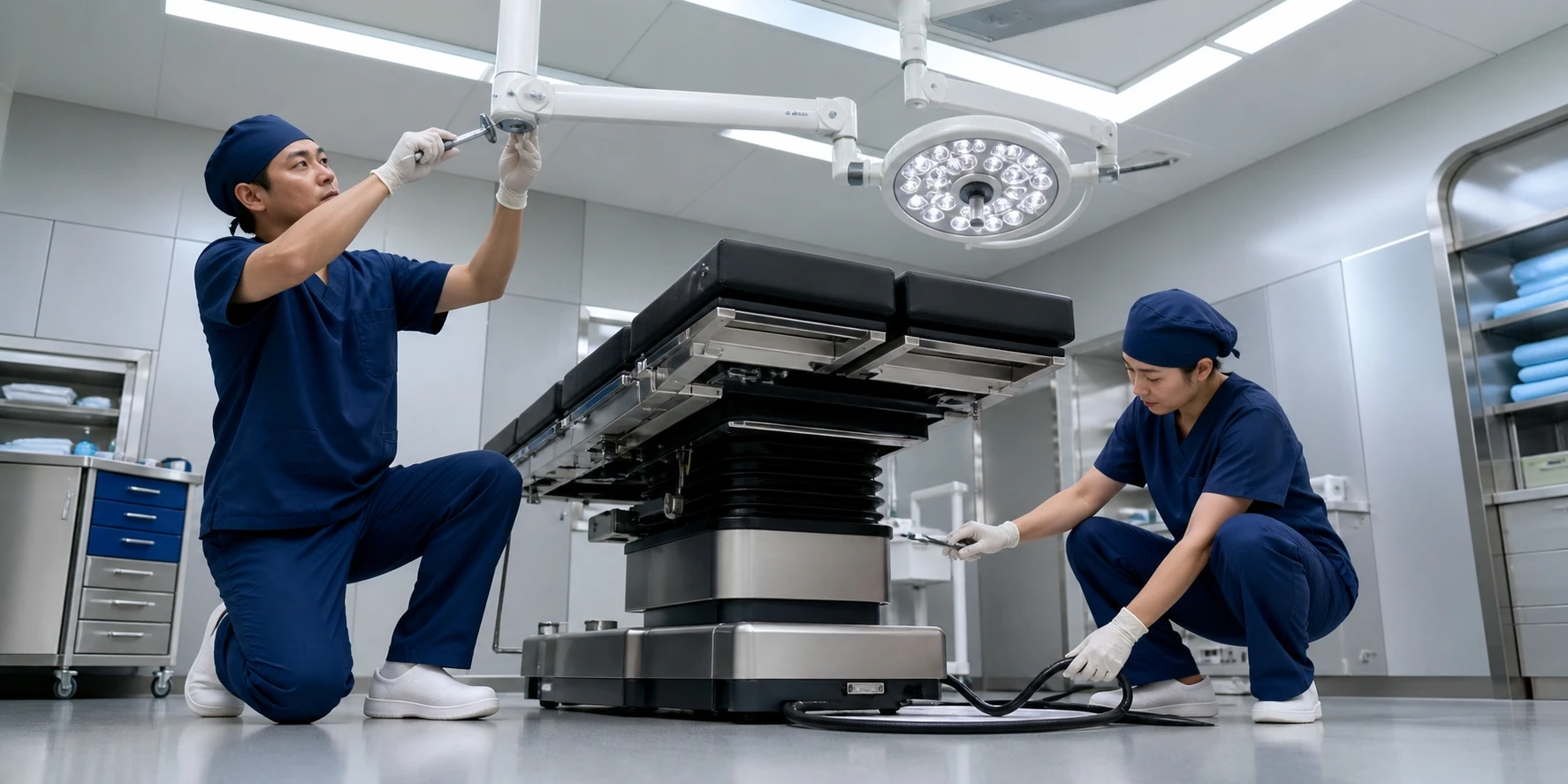
Medical ceiling pendants and shoulder surgery positioners should be checked for structural stability, smooth movement, secure locking, and signs of wear. Any unusual resistance, looseness, noise, or drift should be investigated before the equipment is used clinically.
For electric multifunction operating tables, staff should inspect brakes, safety locks, cables, hand controls, connectors, and frequently adjusted joints. Keeping these areas clean and free from obstruction can reduce operating risks.
Attention to these details can extend equipment life and allow clinical staff to focus more confidently on patient care.

How Will Future Technology Improve Patient Care?
Future surgical lights are expected to include more intelligent functions, such as automatic brightness adjustment, shadow compensation, remote control, preset management, camera integration, and energy-efficient operation.
Operating tables, ceiling pendants, and long-term care beds are also becoming more connected and user-friendly. Intelligent sensors, collision prevention, equipment-status monitoring, and clinical information integration may further improve workflow.
These developments can make equipment easier for clinicians to operate while providing patients with more coordinated care.
When planning a purchase, facilities should consider current clinical requirements as well as future expansion. Modular equipment, upgradeable controls, compatible accessories, and accessible technical support may provide better long-term value than a system with limited expansion options.
How to Begin Planning an Equipment Configuration
How Should a Medical Facility Start the Selection Process?
Begin by identifying the facility’s actual clinical requirements and budget.
Consider:
- Types of surgery performed
- Procedure frequency
- Required illumination depth and field size
- Operating-room dimensions
- Ceiling height and structural conditions
- Staff working habits
- Patient-positioning requirements
- Imaging-system compatibility
- Infection-control procedures
- Backup power requirements
- Expected maintenance resources
- Future expansion plans
Compare surgical light specifications and operating-table configurations according to actual daily workflows. If shoulder procedures are performed frequently, evaluate the practical compatibility of the surgical light, shoulder surgery positioner, operating table, and ceiling pendant.
Facilities should also plan regular maintenance, software updates where applicable, and timely equipment replacement. Outdated or poorly maintained equipment can reduce performance and create avoidable operational risks.
Who Should Be Consulted?
The volume of technical information involved in operating-room planning can make the selection process difficult. Consultation with experienced medical-equipment specialists, clinical engineers, surgeons, nurses, infection-control personnel, and facility planners can help clarify the requirements.
A qualified supplier or consultant should be able to provide a site assessment, equipment-layout plan, compatibility review, technical documentation, installation requirements, maintenance proposal, and transparent quotation.
Medical equipment is a significant long-term investment. There is no need to make an immediate decision before the relevant clinical and technical teams have reviewed the complete configuration.

Which Routine Checks Can Staff Perform?
During normal use, staff can regularly inspect the lamp head, sterilizable handle, suspension arm, ceiling pendant, and mounting points for looseness or abnormal movement.
Frequently used parts of an electric operating table, including adjustment controls, couplings, brakes, and cables, should be kept clean and checked for damage.
Adjusting the angle, height, brightness, and light-field size appropriately can improve visibility and help reduce fatigue among clinical staff.
For long-term care beds, maintaining clear access around the bed, keeping moving parts clean, and checking brakes and side rails can make daily care safer and more efficient.
These routine practices support preventive maintenance, extend equipment life, and contribute to a more reliable clinical environment.
Conclusion
Choosing a professional medical surgical light requires a complete understanding of lighting performance, mechanical movement, operating-table compatibility, ceiling equipment, patient positioning, imaging access, maintenance, and future expansion.
The best solution is not necessarily the light with the highest illuminance or the longest list of features. It is the system that fits the facility’s procedures, room layout, staff workflow, safety requirements, and long-term service capabilities.
By evaluating the surgical light together with the operating table, medical ceiling pendant, shoulder surgery positioner, radiolucent equipment, and care beds, medical facilities can create a safer, more efficient, and more comfortable environment for both patients and clinical teams.