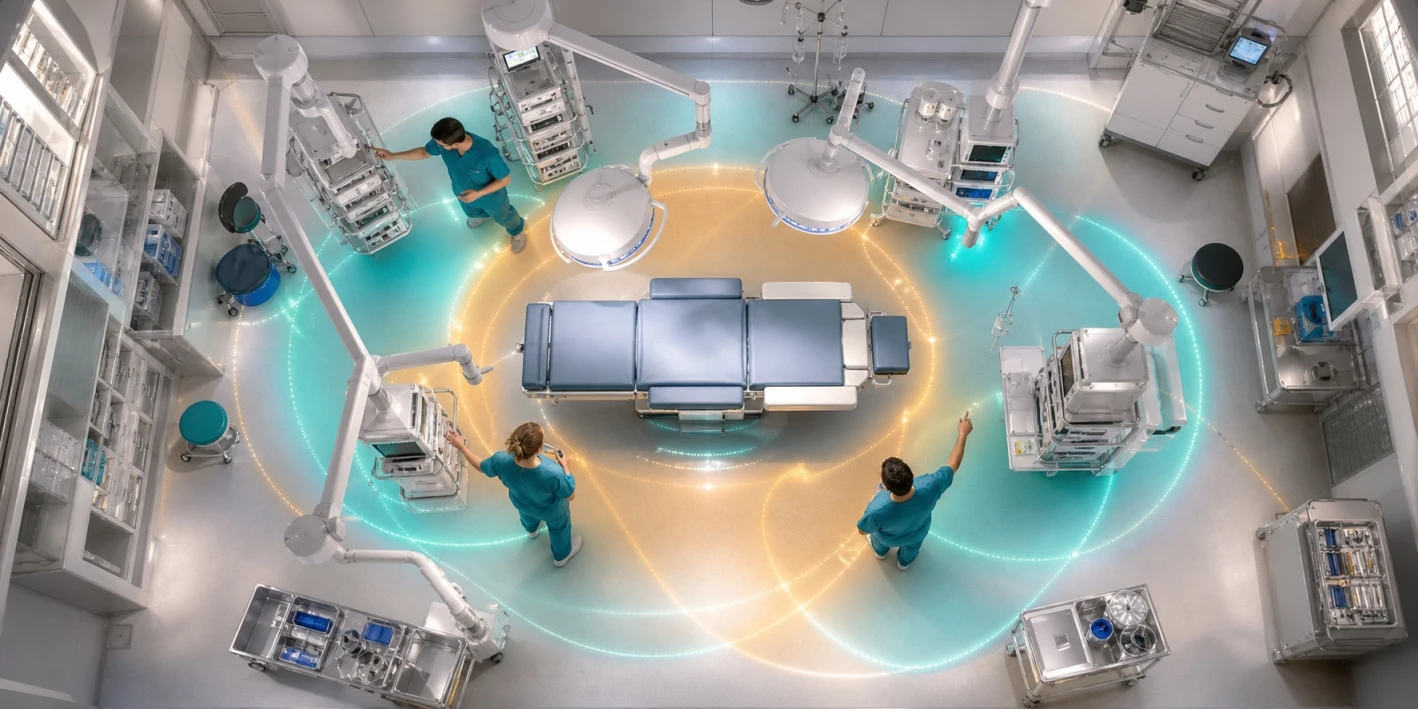
Medical pendants are essential infrastructure in modern operating rooms and ICUs. They secure and position clinical equipment while bringing medical gases, electrical power, and data connections closer to the point of care. This guide explains their core functions, configurations, and common applications.
When healthcare professionals discuss the essential equipment used in operating rooms and intensive care units, three categories often come first: surgical lights, operating tables or hospital beds, and medical pendants.
What Is a Medical Pendant?
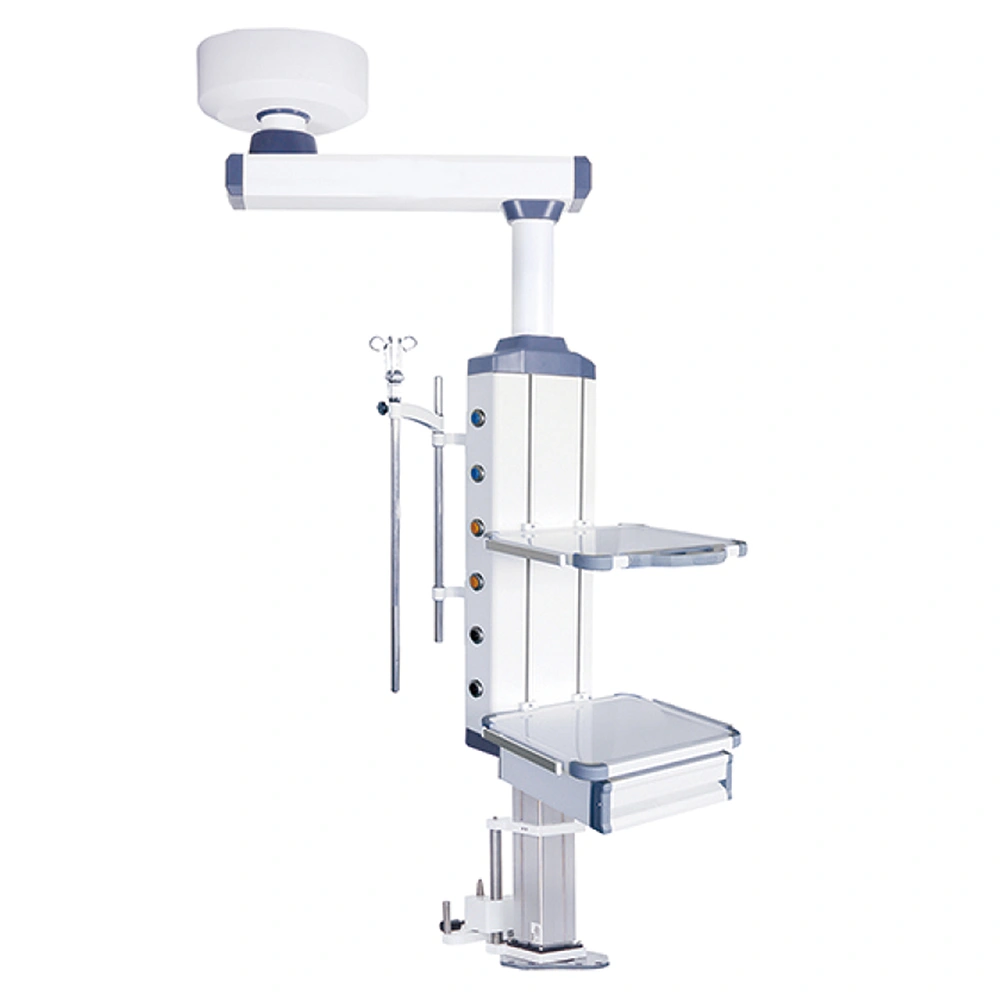
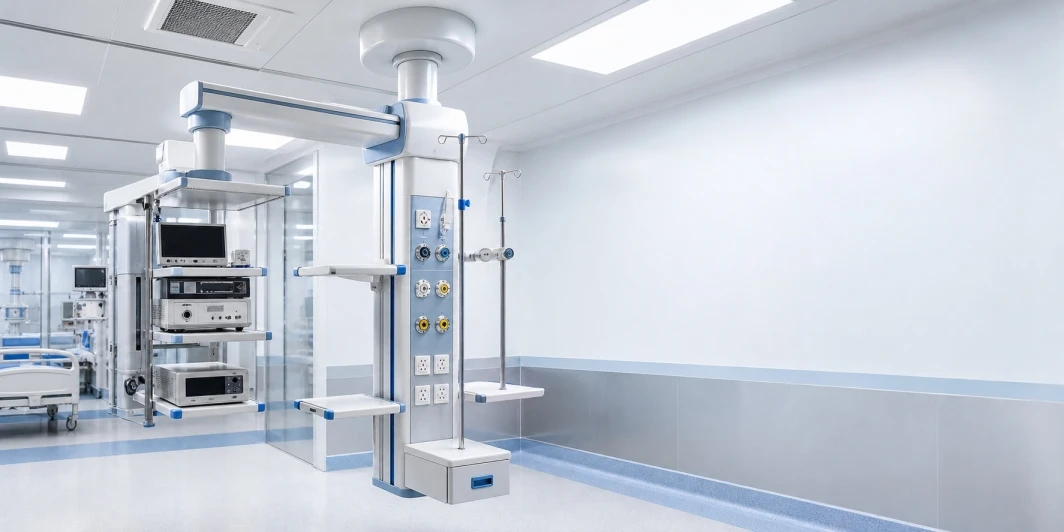
A medical pendant is also known as a medical ceiling pendant, surgical pendant, hospital pendant, ceiling supply unit, or medical equipment boom.
Some basic definitions describe it as a ceiling-mounted medical gas supply system used to provide oxygen, medical air, vacuum, nitrous oxide, and other gas connections. Other definitions focus on motorized platforms, balanced suspension arms, and electric height adjustment. Although these features are found in certain pendant systems, they do not provide a complete definition.
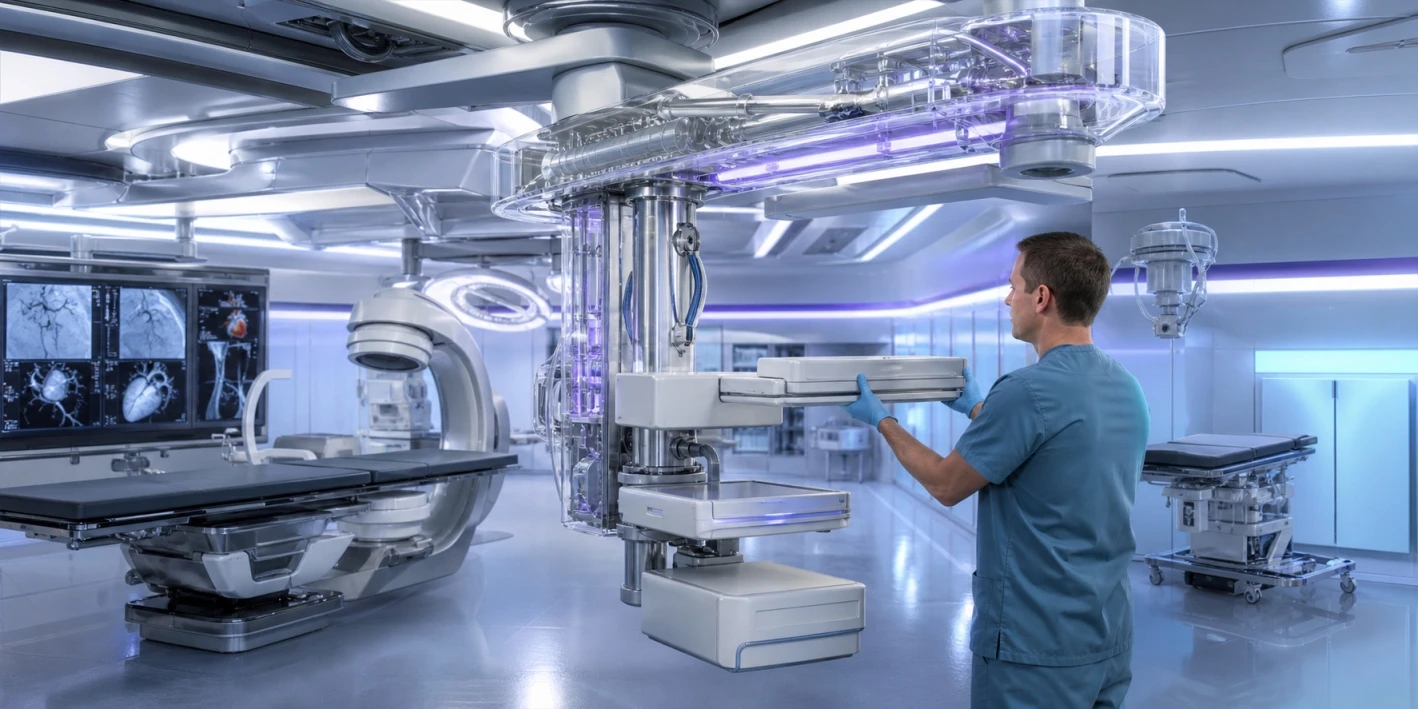
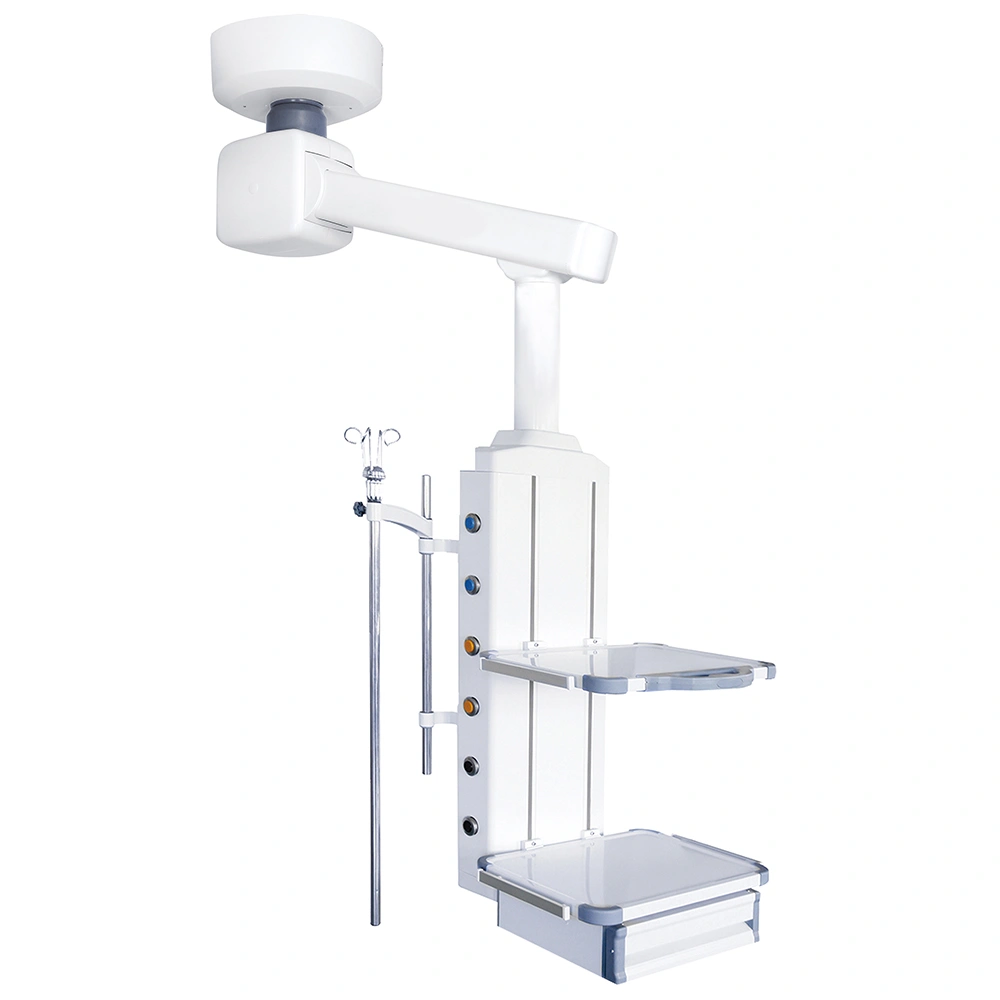
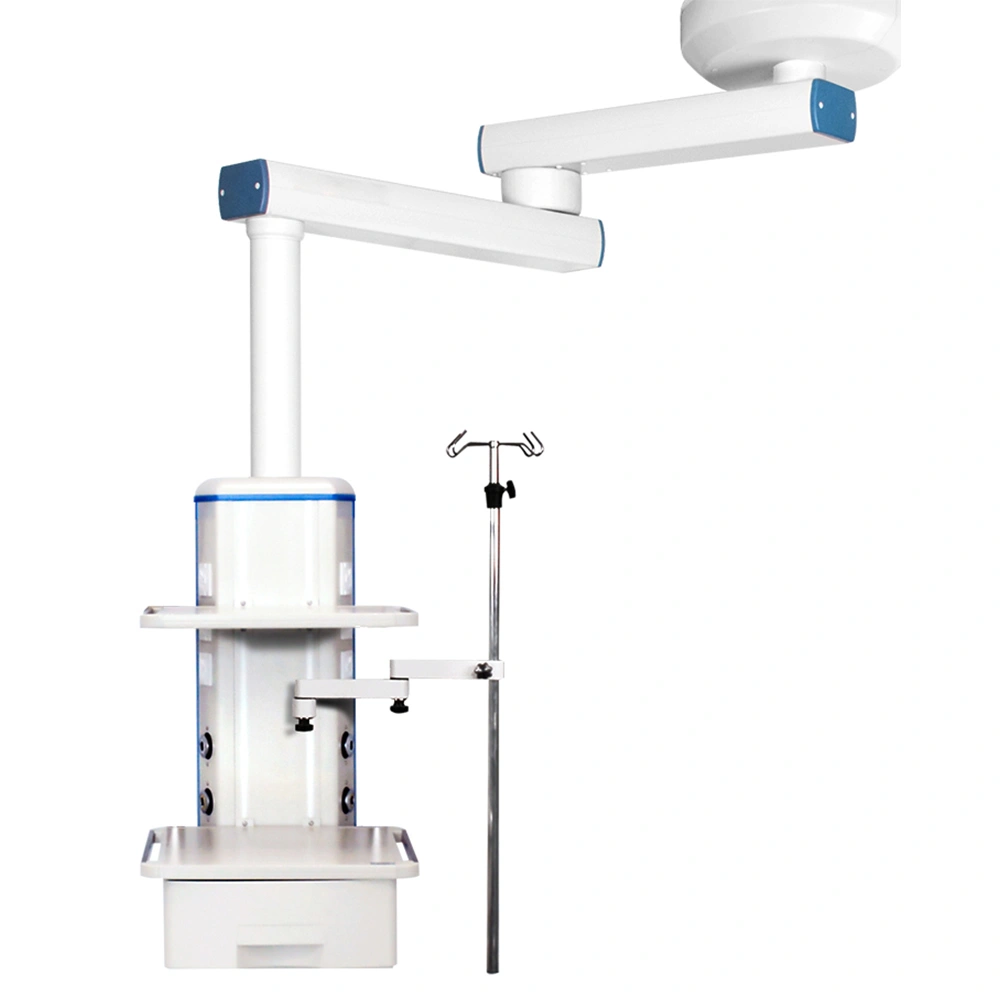
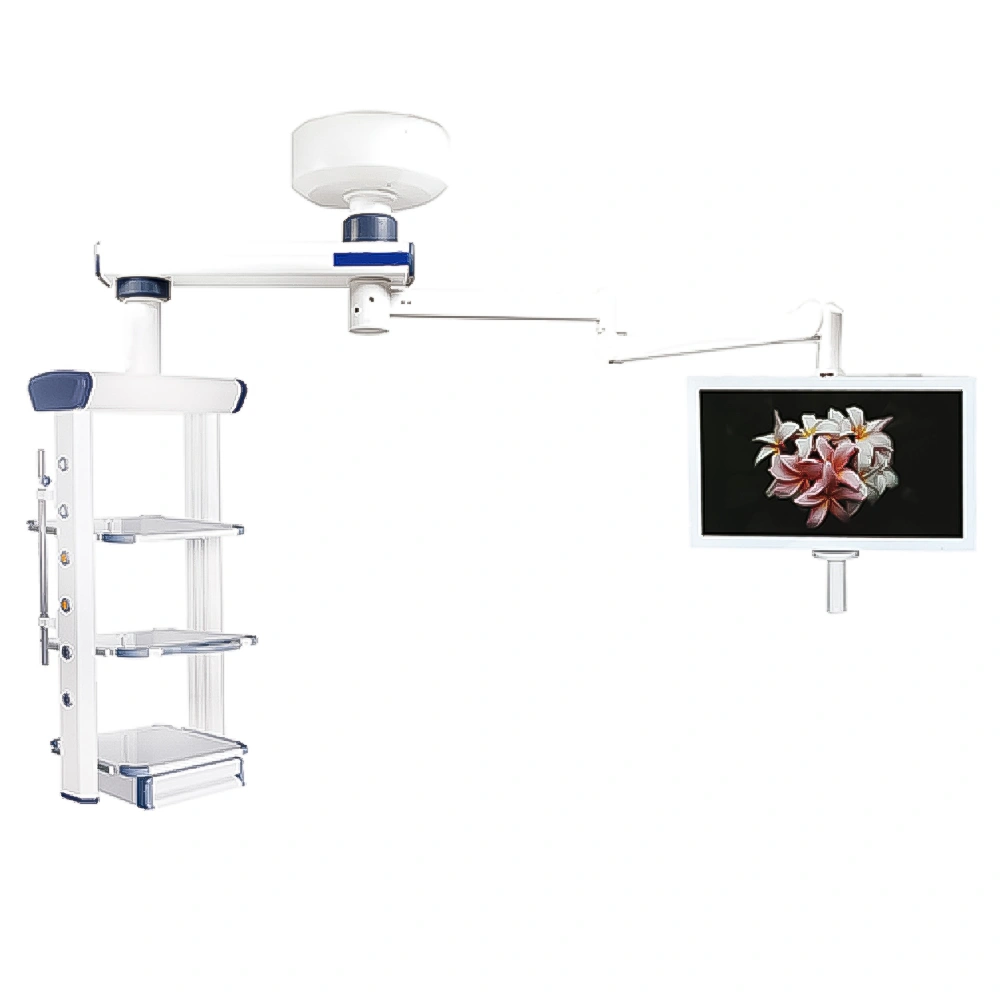
A more accurate description is that a medical pendant is a ceiling-mounted hospital equipment system used to secure and position medical devices while providing the medical gases, electrical power, data connections, and other patient-care services required by those devices.
Medical pendants are often treated as part of a hospital’s essential clinical infrastructure. Their exact regulatory classification may vary according to the destination country, intended use, and product configuration. Hospitals, contractors, distributors, and suppliers should therefore confirm the applicable standards and regulatory requirements for each project.
The Two Core Functions of a Medical Pendant
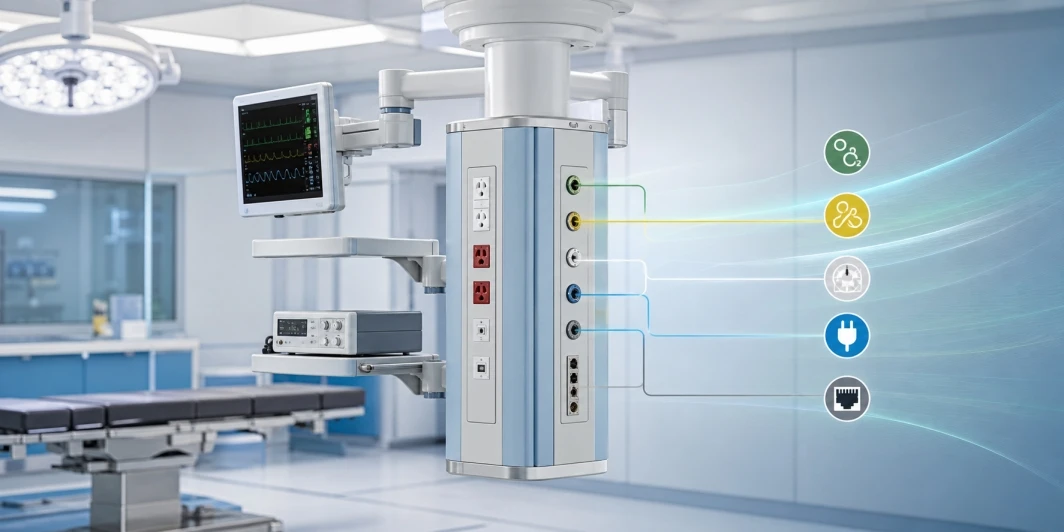
Regardless of its appearance or mechanical design, a medical pendant normally performs two primary functions: securing and positioning medical equipment, and supplying the utilities required by that equipment.
Securing and positioning are related but different functions. Securing equipment means keeping it stable and preventing unwanted movement during use. Positioning means moving the equipment to the location where healthcare professionals need it.
For example, depending on its design, an anesthesia lifting pendant can support or dock an anesthesia machine on a suspended equipment platform. This helps keep the anesthesia machine stable during use. The pendant arm can then move or rotate the equipment into the required position near the patient’s head, providing the anesthesiologist with convenient access while keeping the surrounding floor area more organized.
Not every anesthesia pendant uses an electric lifting platform. Fixed-height, manual, pneumatic, and motorized configurations may be selected according to the equipment load, clinical workflow, movement requirements, and project budget.
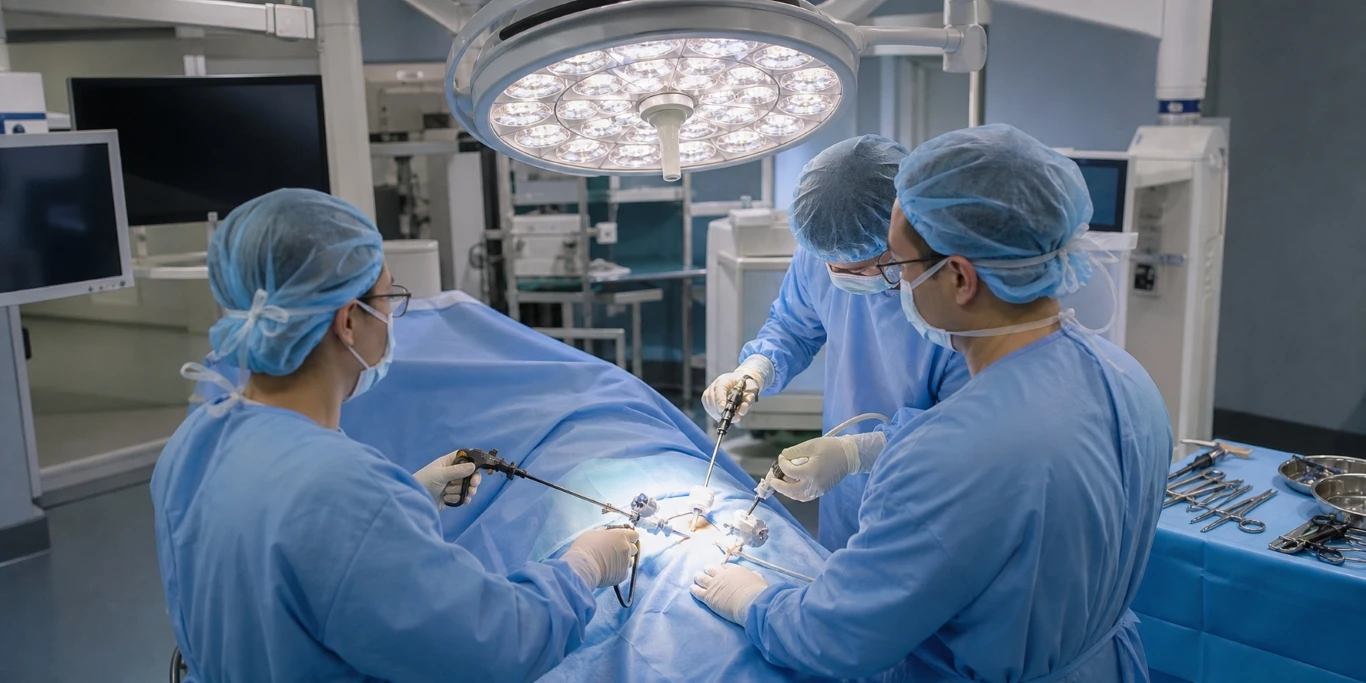
A similar principle applies to multimedia pendants used for minimally invasive surgery. A medical display can be mounted on the pendant instead of using a separate floor stand. The articulated arm allows the screen to be positioned where the surgical team can view it more easily. Medical pendants may also support monitors, endoscopy equipment, infusion accessories, shelves, drawers, and other clinical devices.
The second major function is supplying medical gases, electrical power, and data connections. An anesthesia workstation, for example, may require oxygen, medical air, nitrous oxide where specified, vacuum, anesthetic gas scavenging, mains electrical power, emergency power, grounding, network connections, and other low-voltage services.
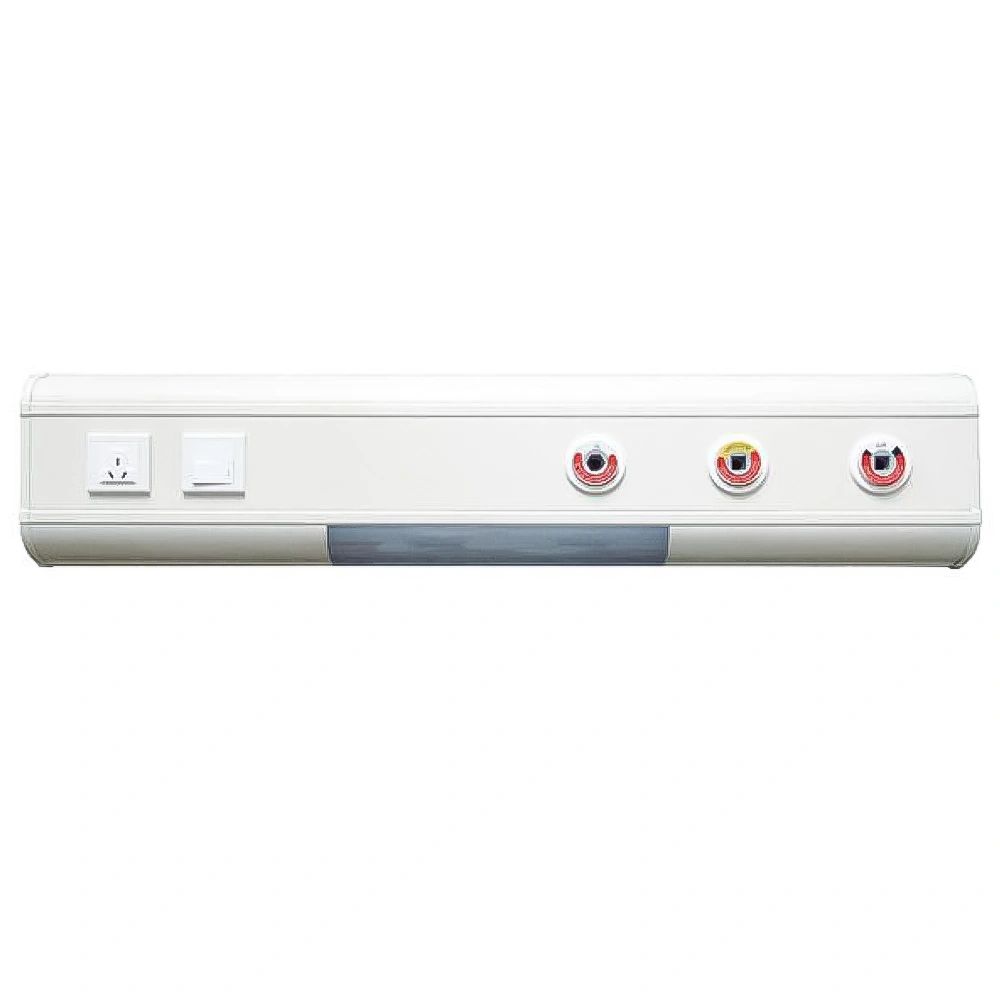
Before ceiling pendants became widely used, medical gas outlets, electrical sockets, and data ports were commonly installed on operating room walls. Staff then had to connect equipment to services located around the perimeter of the room. A medical pendant brings these connections closer to the point of use, making equipment easier to connect and reducing the need for long cables and hoses crossing the working area.
The equipment supported by a pendant is not always the same equipment that uses every gas, power, or data connection. Some devices may only need to be mounted and positioned, while others require several utility connections. The final pendant configuration should therefore be based on a detailed equipment and outlet schedule rather than a standard number of sockets or gas terminals.
Why Medical Pendants Are Important in Operating Rooms and ICUs
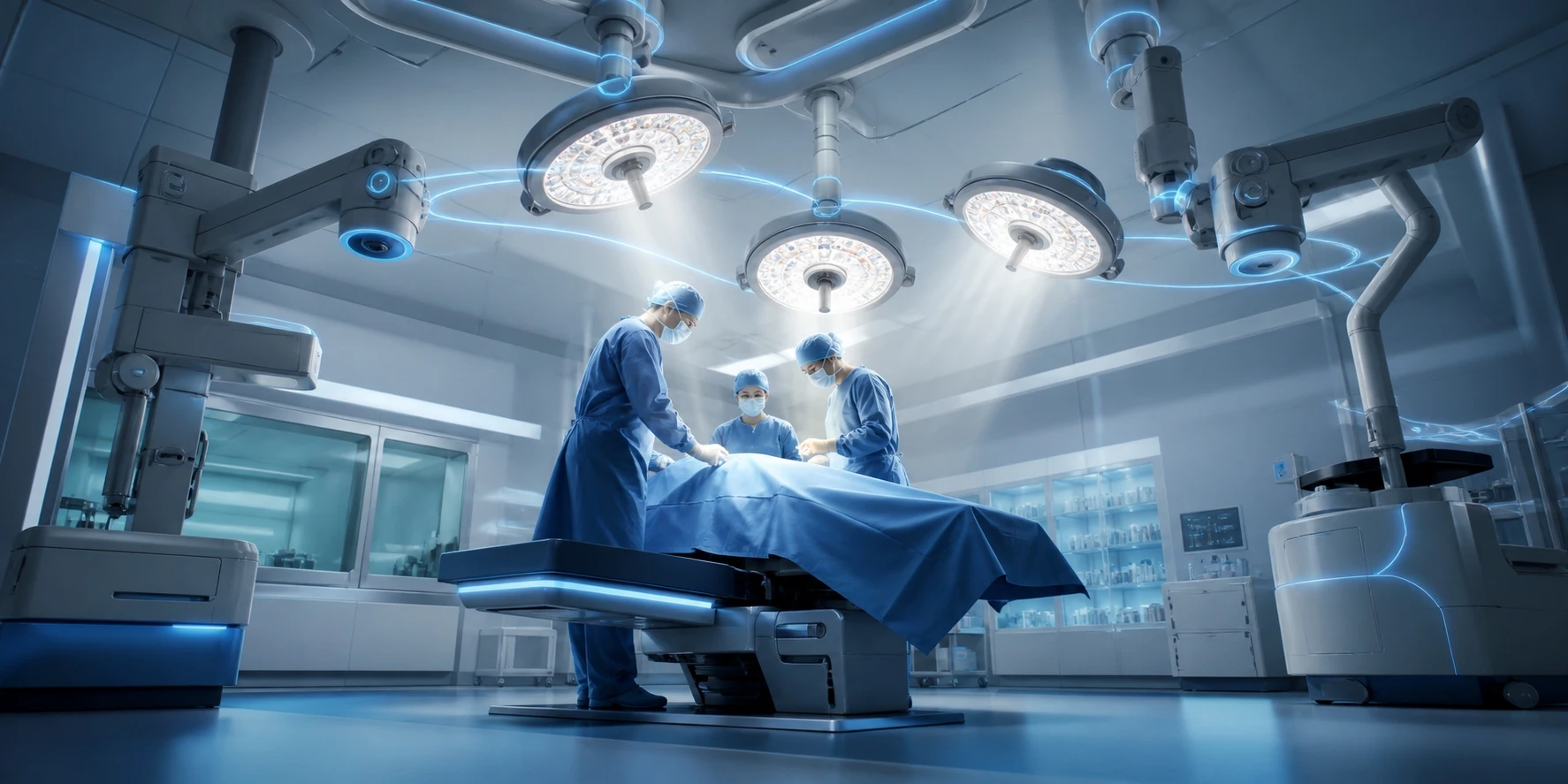
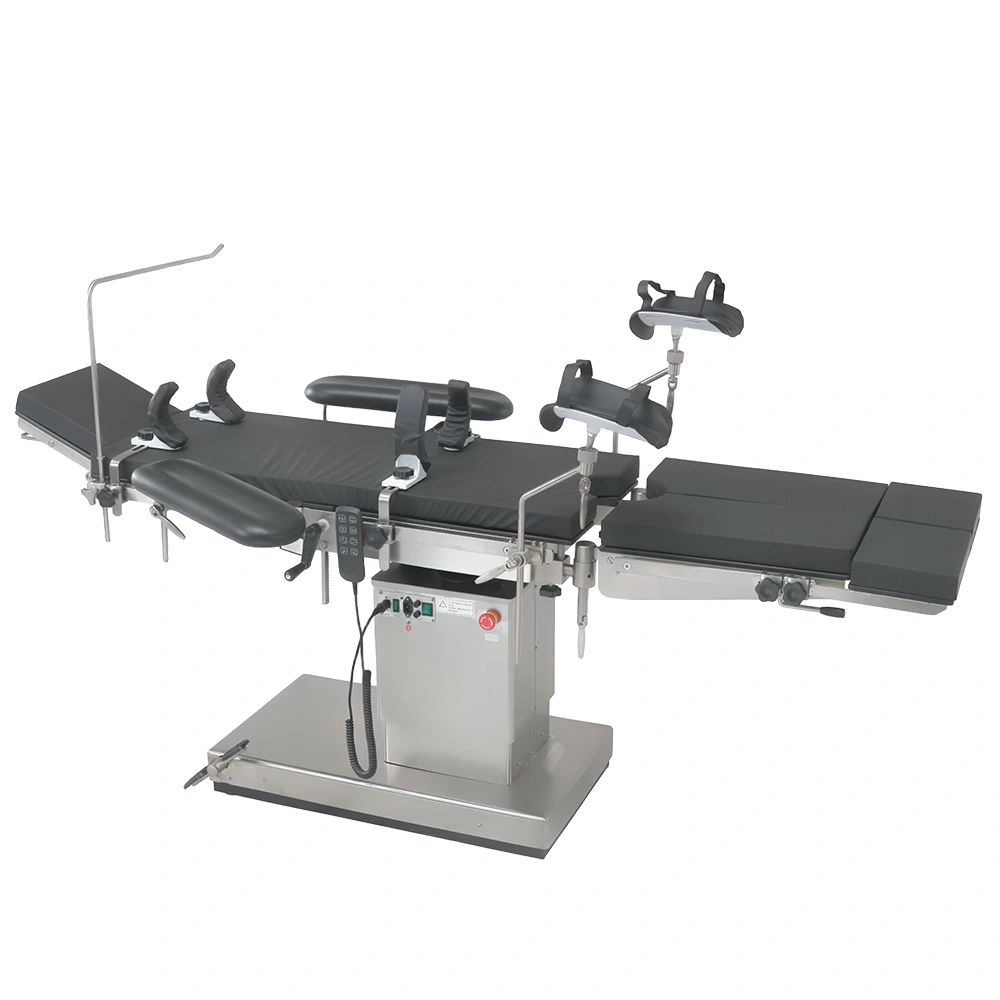
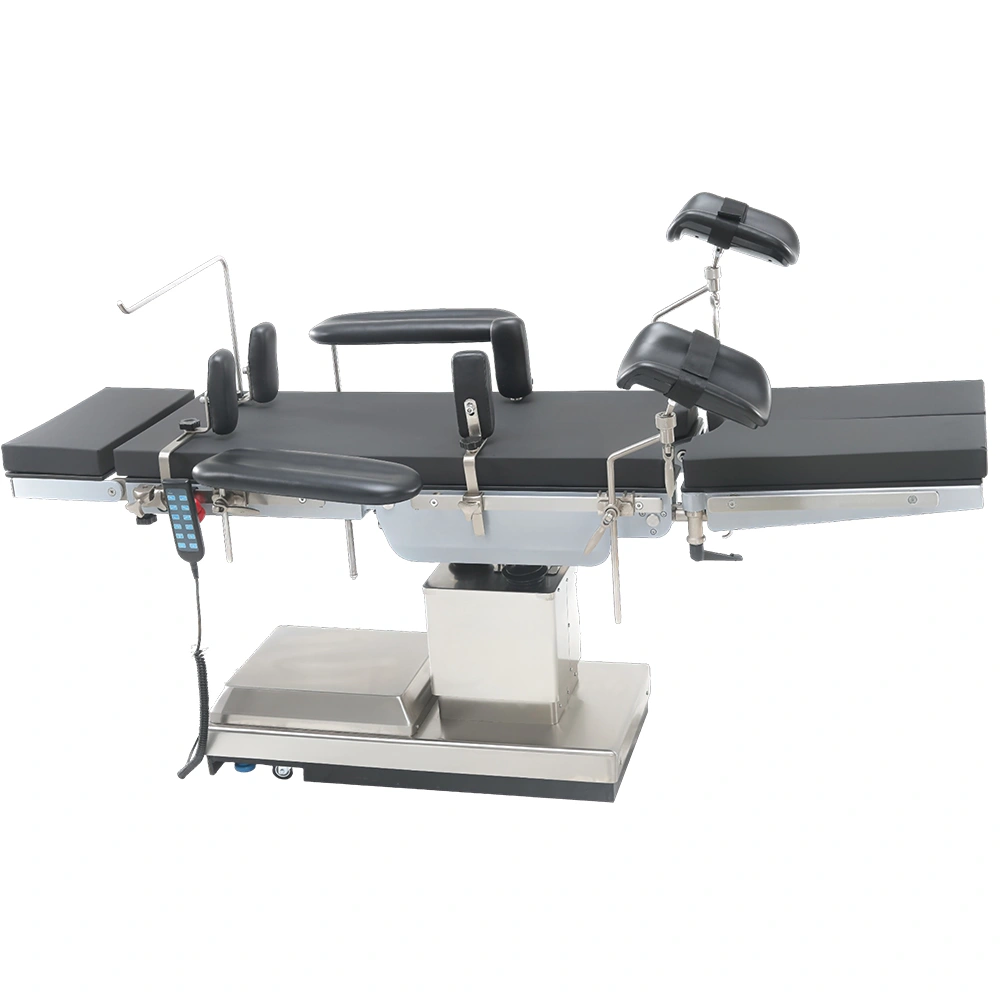
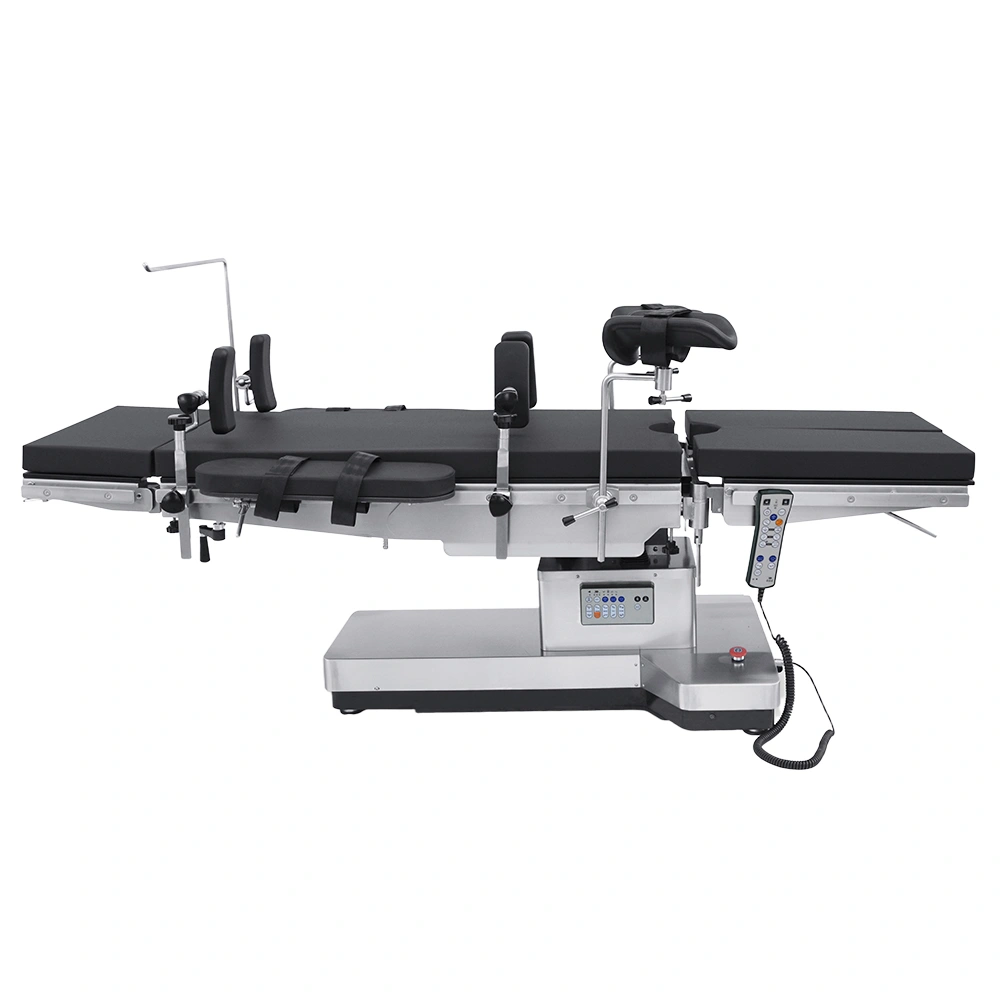
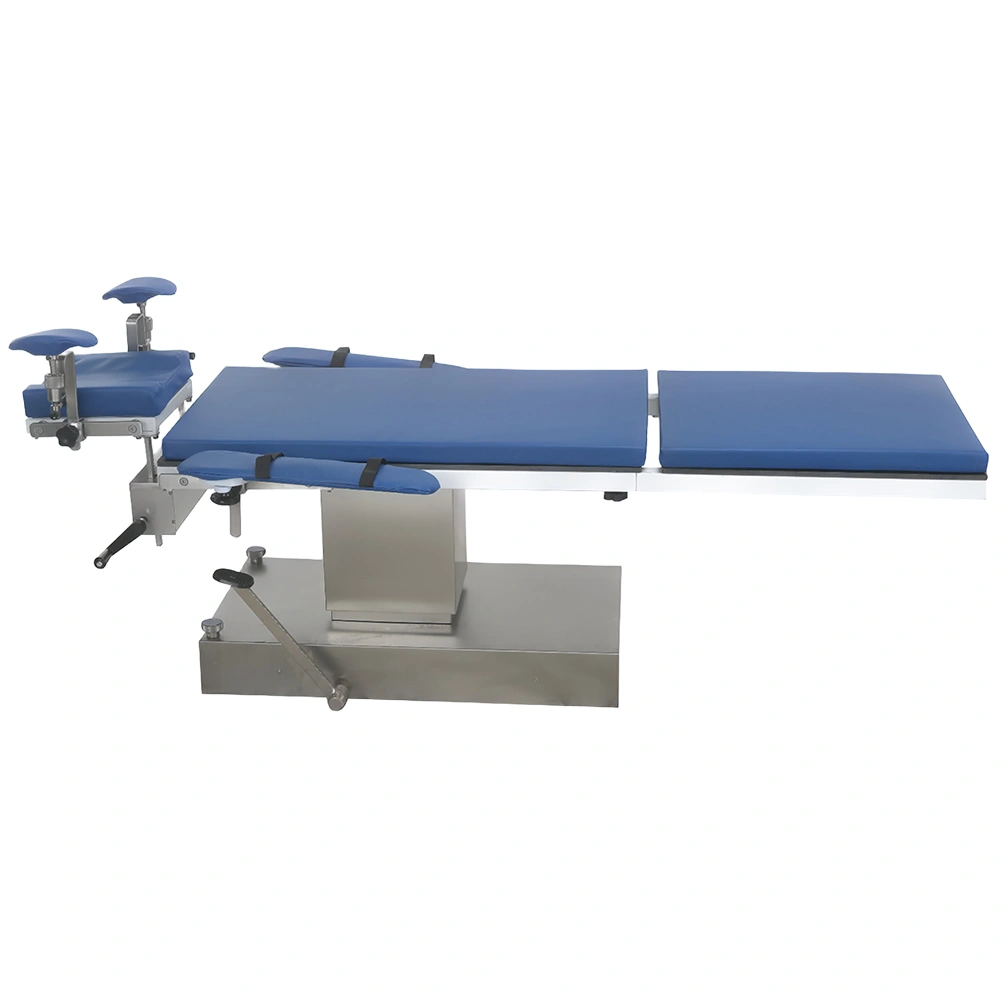
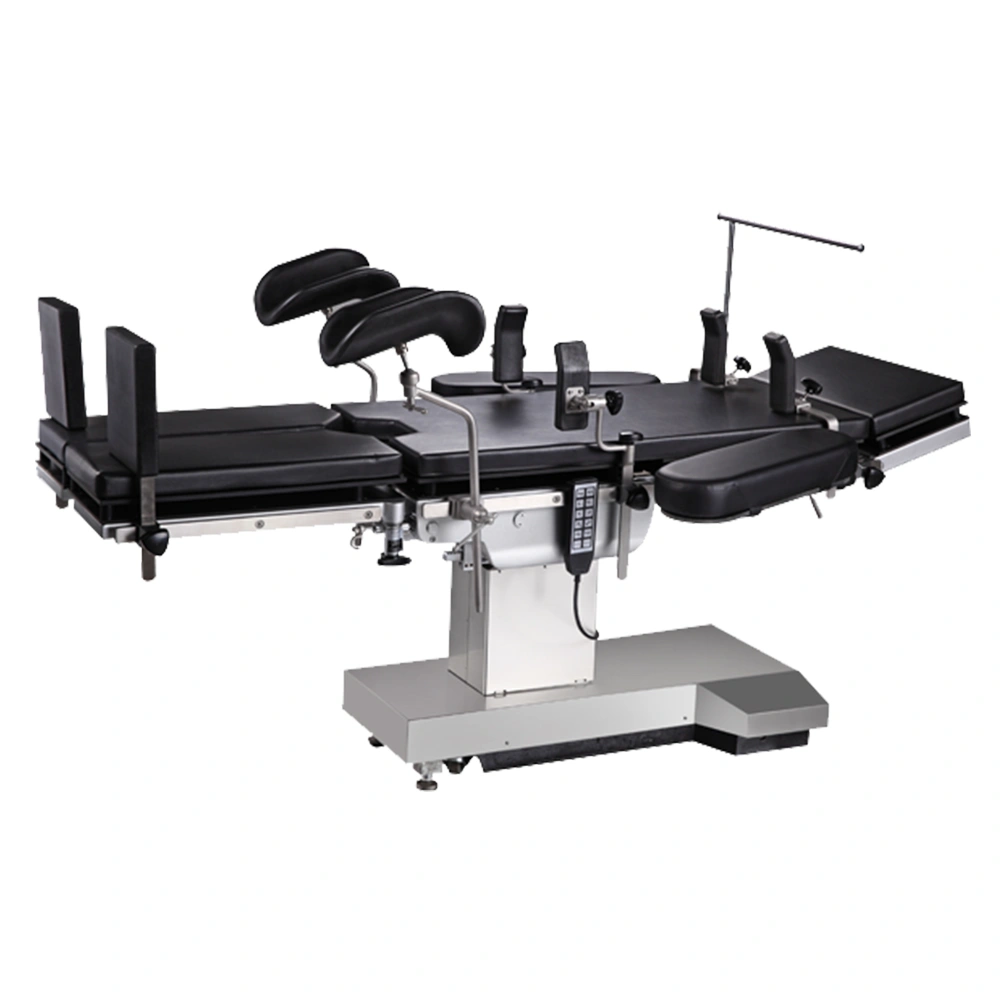
Modern operating rooms contain an increasing number of devices, including anesthesia machines, patient monitors, electrosurgical equipment, endoscopy systems, medical displays, pumps, surgical lights, and operating tables. These devices must be positioned without unnecessarily restricting the movement of surgeons, anesthesiologists, nurses, and other staff.
An operating room pendant brings gases, power, data, and equipment closer to the operating table. It can reduce the number of floor-based stands and trolleys, organize cables and hoses, improve access to frequently used connections, and allow selected equipment to be repositioned for different procedures.
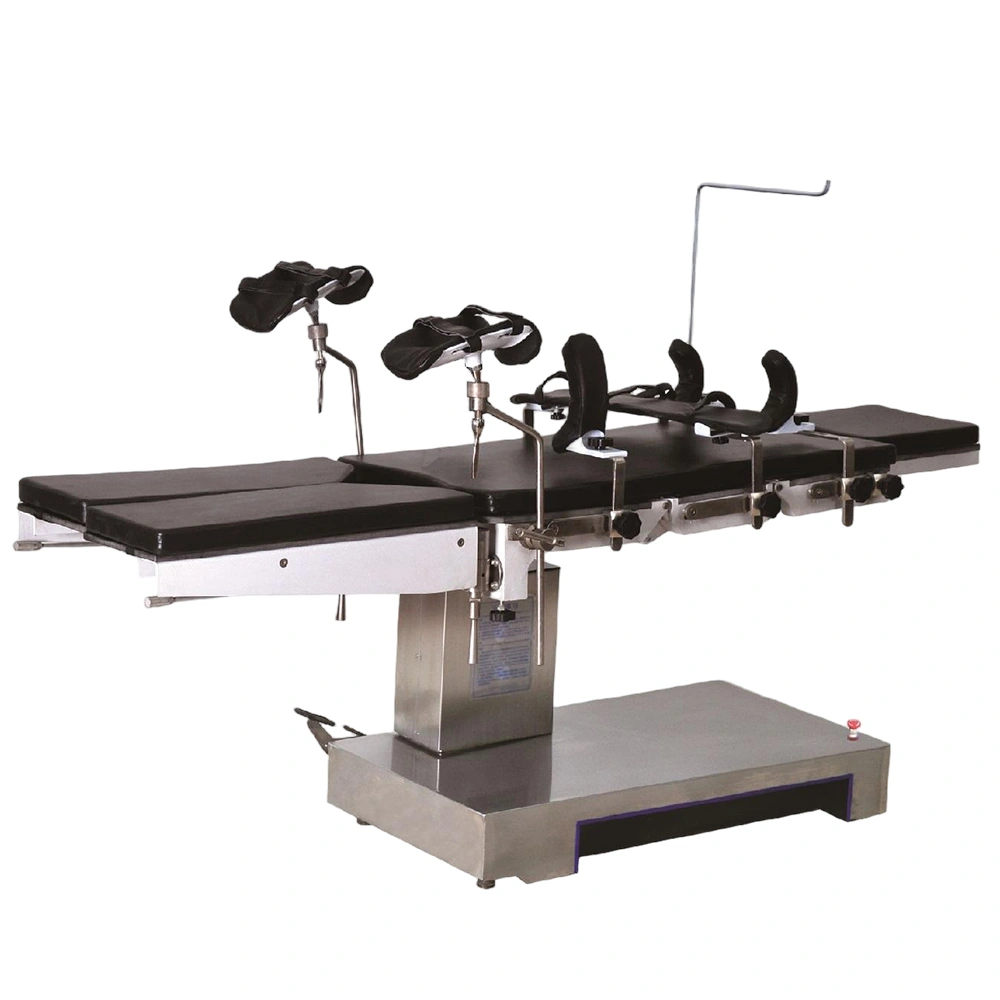
Anesthesia pendants and surgical equipment pendants are often installed separately because the anesthesia and surgical teams have different equipment and utility requirements. Their movement ranges should be planned together with the surgical lights, operating table, imaging equipment, ventilation system, monitors, and other ceiling-mounted components.
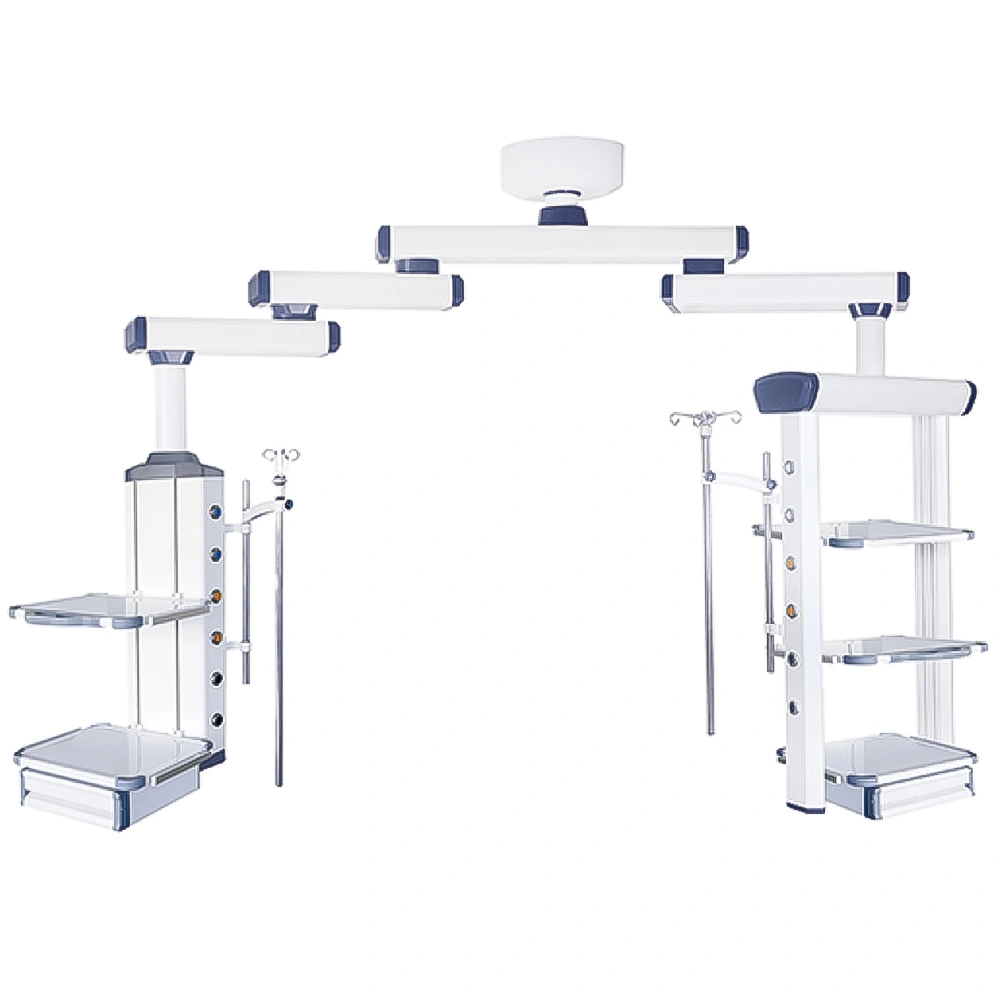
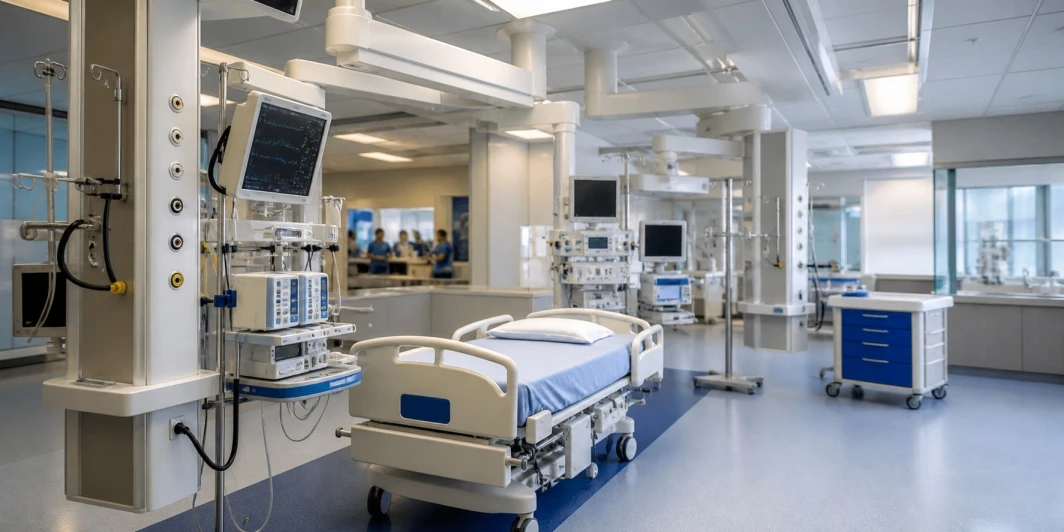
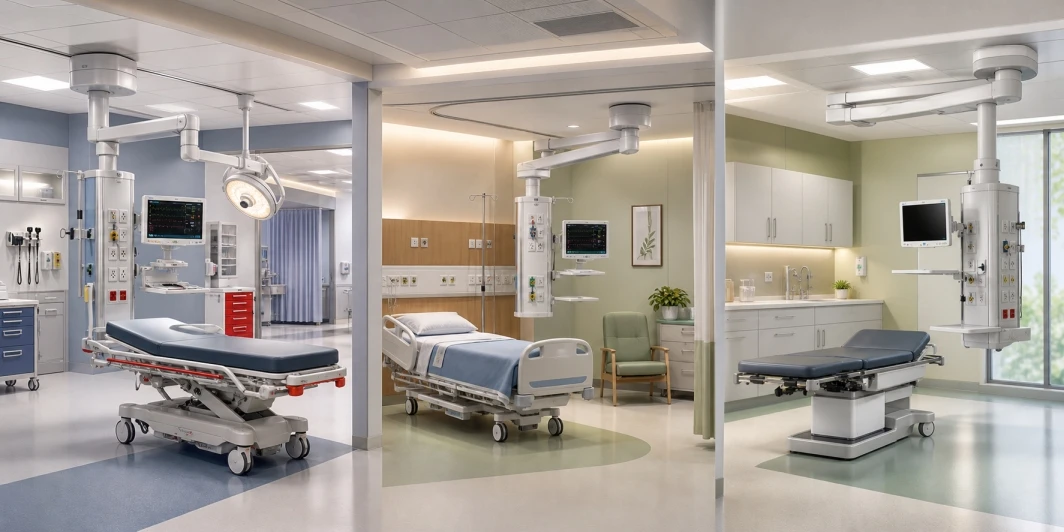
The ICU has similar requirements. Patient monitors, ventilators, infusion pumps, medical gas connections, electrical sockets, and data ports all need to remain accessible near the patient. An ICU pendant can bring these services closer to the bed while allowing equipment and accessories to be arranged according to the nursing workflow.
Depending on the ICU layout, hospitals may use single-arm pendants, double-arm pendants, fixed ceiling columns, dry and wet separation systems, or ICU bridge pendant systems. The appropriate design depends on the number of beds, room dimensions, equipment requirements, medical gas schedule, staff access, and infection-control procedures.
Other Clinical Applications
Operating rooms and ICUs generally have the highest demand for medical pendants because they contain large amounts of equipment and require multiple patient-care services. However, pendants can also be installed in other departments when the clinical workflow and available space justify their use.
Common applications include emergency and resuscitation rooms, post-anesthesia care units, recovery rooms, endoscopy rooms, interventional rooms, labor and delivery areas, and outpatient procedure rooms.
The need for a pendant should be evaluated according to the amount of equipment used, the required medical gases and electrical connections, available floor space, staff movement, and the expected clinical workflow. A pendant should not be installed simply because it is considered standard operating room equipment. Its design should solve specific equipment management and service-delivery requirements.
Current Development of Medical Pendant Systems
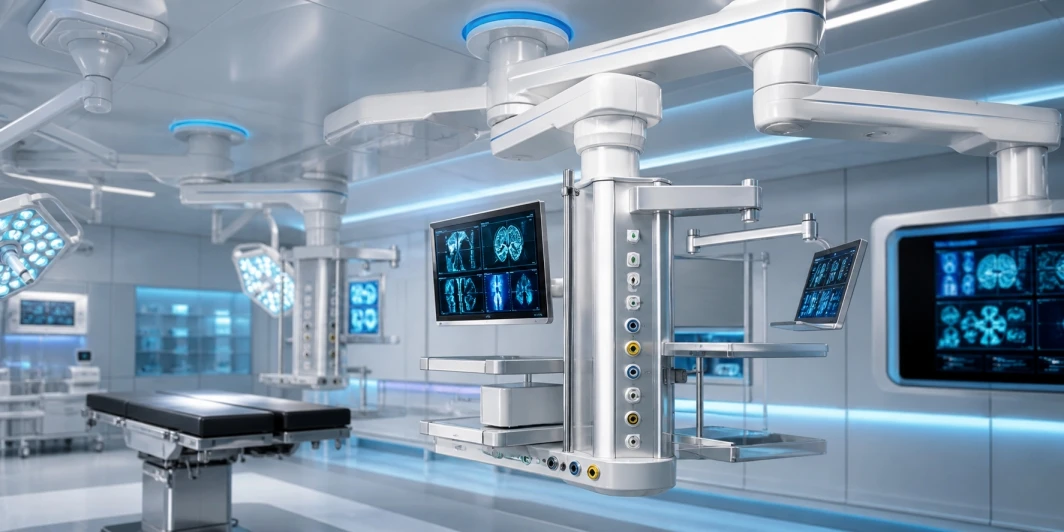
As operating rooms and ICUs use more connected medical equipment, pendant systems are becoming increasingly modular and configurable. Hospitals may require greater load capacity, more flexible arm movement, modular shelves, integrated medical gas terminals, additional electrical sockets, network connections, video integration, monitor support, improved cable management, and electric height adjustment.
Another important development is better coordination between the pendant and other operating room systems. The pendant, surgical lights, operating table, imaging equipment, displays, and ventilation system must share the same ceiling and working space. Their movement paths should therefore be reviewed together during the design stage.
Future pendant systems are likely to support more data connections, digital equipment, integrated displays, and flexible accessory configurations. However, their two fundamental purposes will remain the same: positioning medical equipment and delivering the services required by that equipment.
How to Plan a Medical Pendant Configuration
A medical pendant should not be selected only by its appearance, arm length, price, or number of outlets. The planning process should begin with the clinical equipment and room layout.
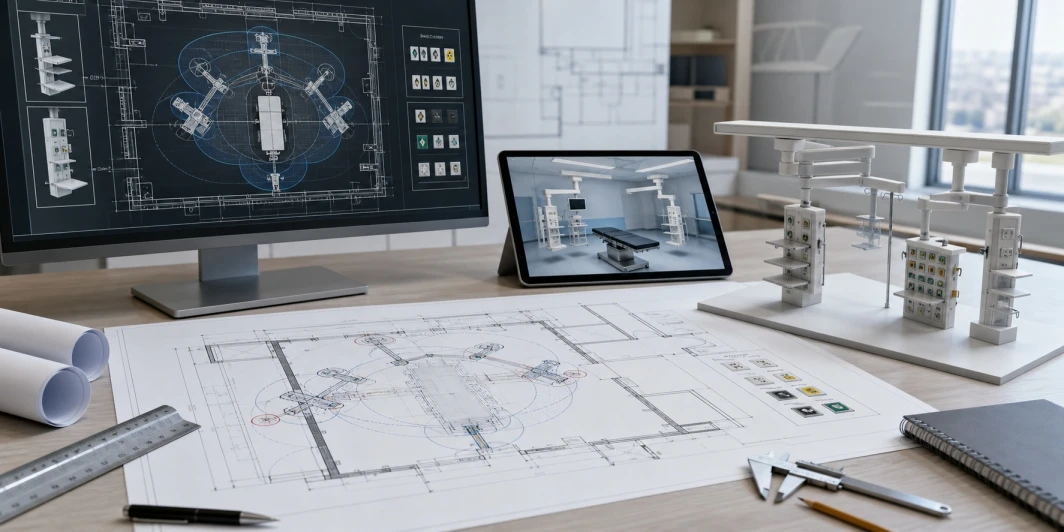
The project team should identify where the pendant will be installed, which procedures will be performed, which devices will be mounted, and how much total load the system must support. The required medical gases, electrical socket standards, data ports, shelves, drawers, accessory rails, movement range, and height adjustment should also be confirmed.
Ceiling conditions are equally important. The supplier should receive information about the structural ceiling, finished ceiling height, mounting position, utility connection points, and nearby ceiling-mounted equipment. The pendant’s movement envelope should be checked against surgical lights, monitors, imaging systems, ventilation equipment, and other suspended components.
The destination country must also be provided because medical gas terminals, electrical sockets, voltage, labeling, documentation, and regulatory requirements vary between markets. If the hospital expects to add more equipment later, the pendant should include appropriate spare capacity or modular expansion options.
A detailed room drawing, equipment list, outlet schedule, expected load, and accessory list will help the manufacturer recommend a configuration that matches the actual clinical environment.
Conclusion
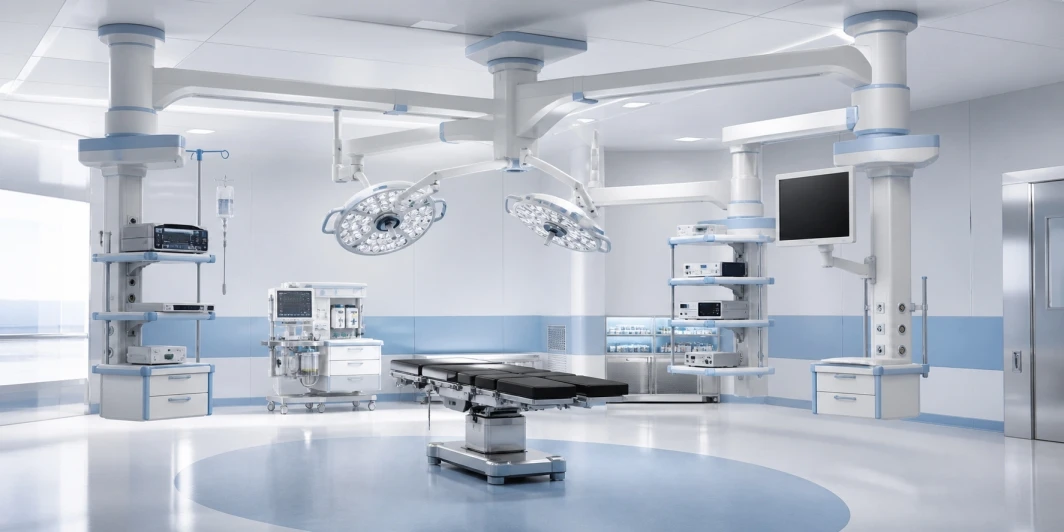
A medical pendant is more than a carrier for medical gas terminals. It is a ceiling-mounted system that combines equipment support, positioning, medical gas delivery, electrical power, data connections, and accessory management.
By bringing equipment and utilities closer to the point of use, a properly configured medical pendant can support a more organized operating room or ICU workflow. It can also reduce dependence on wall-mounted connections and floor-based equipment stands.
The final configuration should always be based on the room layout, clinical equipment, required utilities, ceiling conditions, local standards, staff workflow, and future expansion plans. Careful planning is more important than simply choosing the pendant with the longest arm or the largest number of outlets.